
There are invisible paths worn into the floors of our homes. You might not see them, but you walk them every day. There is the path from your bed to the coffee maker, the one from the sofa to the fridge, and the well-trodden line from the front door to the place you drop your keys and mail.
We often think about our homes in terms of objects—a new chair, a different paint color, a piece of art. We focus on how things look when the house is still and quiet. But a home is rarely still. It is a stage for the small, repeated actions that make up a life.
This guide is about those actions. It’s an invitation to look at the rhythm of your daily life and how your space supports, or perhaps hinders, that rhythm. In Feng Shui, this is where the theory meets the practice. It’s not just about where you place your desk; it’s about how you feel when you sit down to work. It’s not just about the layout of your kitchen; it’s about the feeling of nourishment you create there.
We will explore the simple, profound ways our daily routines interact with the spaces we inhabit. We’ll touch on the energy of sleep, the focus of work, the joy of cooking, and the challenge of clutter. We will look at how we share spaces with others, how we find solitude, and how we adapt our homes to the changing seasons.
Think of this as a conversation, a gentle exploration. There are no rules here, only observations. My hope is that by the end, you will see those invisible paths in your own home with a new sense of awareness and kindness, recognizing them as the beautiful, simple choreography of your life.
A Brief Historical Perspective: From Fields to Living Rooms
For thousands of years, human life was deeply connected to the rhythms of the earth. The sun dictated the start and end of the workday. The seasons determined what was planted, harvested, and stored. Homes were simple shelters, oriented to protect from the wind and capture the warmth of the sun.
The principles that would become Feng Shui grew from this practical wisdom. It was a way of observing the flow of nature—the movement of wind (Feng) and water (Shui)—and arranging one’s life in harmony with it. A farmer would study the landscape to find the most protected and fertile place to build a home, ensuring the well-being of their family and livestock.
Our modern lives are very different. We live and work indoors, often disconnected from the daily shifts in weather and light. Our homes are no longer just simple shelters but complex environments filled with technology, possessions, and the demands of a 24/7 world.
Yet, the core human need for harmony remains. The ancient practice of observing natural energy flows can be adapted to our contemporary lives. Instead of observing a river, we can observe the flow of foot traffic through our hallway. Instead of orienting for the sun, we can orient our favorite reading chair to catch the afternoon light. It’s about applying that same quiet attention to the landscape of our own homes and daily routines.
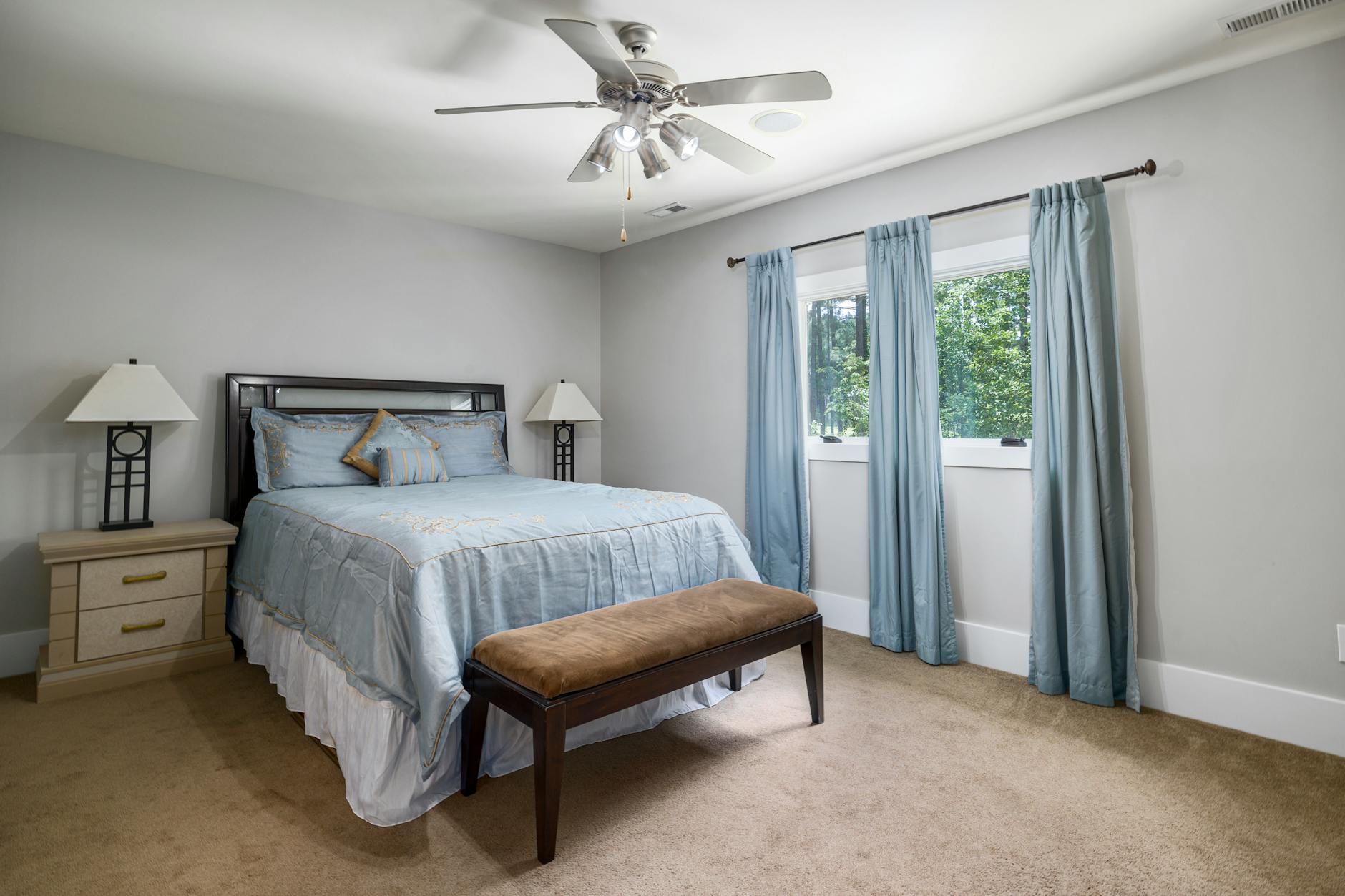
The Rhythm of Rest: Our Relationship with Sleep
Our day begins and ends in the bedroom. More than any other room, it is a space for rest, renewal, and vulnerability. How we experience this space has a quiet but profound effect on our well-being.
The Bedroom as a Sanctuary
Think about how your bedroom feels when you walk into it. Does it feel like a place of calm, or does it hold the lingering energy of a busy day? Many people find that a bedroom dedicated purely to rest feels more peaceful.
This might mean removing things associated with work or stress, like a desk piled with papers or exercise equipment. The idea is to create a visual signal to your mind that this is a place to let go and recharge. The colors, textures, and lighting all contribute to this feeling.
The Path to Bed
The way we prepare for sleep is a daily ritual. This transition from the active world to the quiet of rest is important. Consider the path you take to bed each night. Does it feel like a gentle winding down?
This could be as simple as tidying the clothes from the day, turning down the lights, or reading a few pages of a book. The environment can support this ritual. Soft lighting, a clear bedside table, and comfortable bedding all contribute to a sense of ease.
Waking with Intention
The first moments of the morning can set the tone for the entire day. What is the first thing you see when you open your eyes? In Feng Shui, some people find it helpful to have a clear and pleasant view from the bed.
This doesn’t require a grand vista. It could be a favorite piece of art, a clean and uncluttered surface, or simply the soft light coming through a window. It’s about starting the day with a feeling of peace rather than immediate obligation.
The Focus of Work: Creating from Home
For many, the home has also become the office. Blending our personal and professional lives under one roof presents a unique challenge: how to create a space for focus and productivity while maintaining the home as a place of rest.
The Dedicated Workspace
Even if you don’t have a separate room for an office, creating a designated work zone can be very helpful. This mentally separates your work life from your home life. It could be a specific corner of the living room, a small desk in a guest room, or even just one end of the dining table.
The key is consistency. When you are in that spot, you are at work. When you leave it, you are at home. This creates a psychological boundary that can be just as powerful as a physical wall.
The Commute of a Few Steps
Without the physical act of traveling to an office, it’s important to create small rituals that signal the start and end of the workday. This could be making a cup of tea before you sit down at your desk or taking a five-minute walk before you begin.
These small actions help your mind “commute” and shift into work mode. They create a clear transition, preventing the feeling that you are always at work simply because you are always at home.
Closing Down for the Day
Just as important as starting the day is ending it. At the end of your work hours, you might consider a ritual for shutting down. This could involve clearing your desk, closing your laptop, and putting away any work-related materials.
This act of tidying up can be a powerful signal to your brain that the workday is over. It allows you to transition back into your home life, leaving the pressures of work behind in their designated space.
The Heart of Nourishment: The Act of Cooking
The kitchen is often called the heart of the home. It is a place of alchemy, where simple ingredients are transformed into meals that nourish our bodies and spirits. The way we use this space is a daily act of care for ourselves and our families.
More Than Just a Kitchen
In Feng Shui, the kitchen is sometimes associated with health and nourishment. This is not about having the most expensive appliances, but about the intention and energy that goes into the food prepared there.
A clean, organized, and well-lit kitchen can feel more inviting and inspiring. When the space is functional and pleasant, the act of cooking can feel less like a chore and more like a creative practice.
The Flow of Preparation
Observe how you move when you cook. Do you flow easily between the refrigerator, the sink, and the stove? This “work triangle” is a concept in kitchen design, but it’s also about energetic flow. When your tools are accessible and your counters are clear, the process of cooking is smoother.
If you find yourself constantly bumping into things or searching for utensils, it might be a sign that the flow is blocked. Small adjustments to organization can make a big difference in the daily experience of using your kitchen.
The Energy of Ingredients
The food we bring into our homes carries its own energy. Fresh, vibrant ingredients can make a space feel more alive. Consider how you store your food. Can you see the fresh fruits and vegetables, or are they hidden away?
Keeping healthy, nourishing food visible and accessible can be a gentle reminder to make supportive choices. A bowl of fresh lemons on the counter or herbs growing on a windowsill can bring life and vitality into the kitchen.
The Story of Our Things: Clutter and Storage
Our possessions tell a story about our past, our present, and our aspirations. But when things accumulate without a home, they can create a sense of stagnation. This is what many people call clutter.
What is Clutter, Really?
From a Feng Shui perspective, some people see clutter as more than just messiness. It can be seen as postponed decisions and stagnant energy. It’s the mail you haven’t sorted, the clothes that don’t fit, the projects you started but never finished.
These things can weigh on a space, making it feel heavy and difficult to move through. Clearing even a small amount of clutter can feel like a breath of fresh air, both physically and mentally.
The Flow of Accumulation
Every home has “clutter hotspots”—areas where things naturally pile up. The entryway, the kitchen counter, the bedside table. Pay attention to these spots. They can tell you a lot about your daily habits.
Instead of fighting this natural flow, you can work with it. Place a beautiful bowl in the entryway for your keys. Put a small tray on the counter for incoming mail. By creating a designated home for these transient items, you contain the clutter and make it easier to manage.
Storage as Intentional Rest
Good storage is not about hiding your things away. It’s about giving them a proper place to rest when they are not in use. When everything has a home, it’s easier to find what you need and easier to put things away.
Think of your closets and cabinets not as black holes, but as quiet, organized spaces. When you open a drawer and can easily see what’s inside, there is a sense of calm and control. This is the opposite of the chaotic energy of clutter.
The Spirit of Play: Spaces for Children
Children experience their environment with a wonderful sense of immediacy and imagination. A living room floor becomes a lava pit; a blanket over two chairs becomes a castle. Creating spaces that support this spirit of play while also providing a sense of security is a unique balancing act.
A Room for Growth
A child’s room is their personal universe. It’s a place for sleep, play, and learning. Some find it helpful to balance active, stimulating elements (like bright colors and toys) with calm, restful ones (like a cozy reading nook and soft lighting).
The idea is to create a space that can adapt to a child’s changing needs—a vibrant playground during the day and a peaceful sanctuary at night.
The Freedom to Be Messy
Play is often messy, and that’s a good thing. Instead of trying to prevent mess, it can be helpful to create designated zones for it. A durable rug for arts and crafts or specific bins for building blocks can contain the creative chaos.
This approach allows children the freedom to explore and experiment without constant worry about “making a mess.” It honors the nature of play while making cleanup more manageable.
Storage at Their Level
Empowering children to participate in caring for their space is a valuable lesson. Low shelves, open bins, and clear labels make it easy for them to find their toys and, just as importantly, put them away.
When a child can manage their own belongings, it gives them a sense of ownership and responsibility for their environment. The act of tidying up becomes a natural part of the rhythm of play.
The Quiet of Solitude: Living Alone
Living alone offers a unique opportunity to create a space that is a perfect reflection of your own needs and personality. It is a canvas on which you can paint a life without compromise. The challenge and joy is to make it feel whole and supportive.
A Space That is Truly Yours
When you live alone, every decision is yours. You can arrange the furniture for your own comfort, fill the walls with art that speaks only to you, and use every room exactly as you wish. This is a wonderful freedom.
Embrace this. Create a reading nook in the sunniest spot. Turn a spare room into a yoga studio or a craft room. Let your home be a true sanctuary that nurtures your individual spirit.
Balancing Energy
A home for one still needs a balance of different energies. You might consider having spaces for quiet, introspective activities as well as spaces that feel more active and social, even if you are the only one there.
You might arrange your living room to be perfect for watching movies, but also have a comfortable chair oriented toward the window for quiet contemplation. This creates a dynamic environment that can support all the different facets of your personality.
The Joy of Gathering: How We Entertain
Our homes are not just for us; they are also places where we connect with others. The way we welcome people into our space and share it with them is a reflection of our hospitality and warmth.
The Welcome at the Door
The experience for a guest begins the moment they arrive at your front door. A clean entryway, a clear path inside, and a designated place for them to put their coat and bag immediately makes them feel welcome and cared for.
In Feng Shui, the entryway, or “Ming Tang,” is considered very important as it is where energy enters the home. Some people find that keeping this area clear and inviting feels good for them and their guests.
Creating Comfortable Flow
Look at the arrangement of your main social space, usually the living room. Is the furniture set up to encourage conversation? Or is it all pointing toward a television screen?
Arranging seating in a way that allows people to face each other comfortably can dramatically change the energy of a gathering. It creates a natural flow for connection and conversation, making everyone feel more included.
The Cycle of the Year: Seasonal Adjustments
Our homes exist within the larger rhythm of the seasons. Acknowledging and adapting to these changes can help us feel more connected to the natural world, even when we are indoors.
Welcoming Spring and Summer
As the weather warms and the days grow longer, you can invite that light, expansive energy into your home. This might mean swapping heavy blankets for lighter throws, opening the windows to let in fresh air, or bringing in fresh flowers.
These small changes can shift the entire feeling of a space, making it feel more open, airy, and alive.
Embracing Autumn and Winter
When the days shorten and the air turns cool, our natural instinct is to turn inward and create a sense of coziness and retreat. You can support this by adding warmer textures like wool or velvet, using warmer, softer lighting, and introducing scents like cinnamon or pine.
This creates a feeling of a warm, safe haven—a comfortable nest to retreat to during the colder months.
Adapting to Your Reality: Small Spaces and Rentals
Not everyone lives in a home they own or one with abundant space. But the principles of creating a supportive environment are universal. It’s about working with what you have, with intention and creativity.
The Small Space Mentality
Living in a small space is an exercise in mindfulness. Every object must earn its place. Multi-functional furniture, like an ottoman with storage or a dining table that can double as a desk, is incredibly useful.
Using vertical space with tall bookshelves and strategically placing mirrors to reflect light and create a sense of depth are classic techniques that many people find really work. It’s about making the space feel clever and expansive, not cramped.
Making a Rental Your Own
When you can’t make permanent changes like painting walls or changing fixtures, focus on what you can control. Textiles are your best friend. A beautiful rug, curtains, and throw pillows can completely transform a room.
Art that you can hang with removable strips, floor lamps to create pools of warm light, and healthy plants can all add personality and warmth. These elements make a space feel like your own, even if it’s only for a short time.
Where to Go From Here: A Gentle Path Forward
We have journeyed through the many ways our daily lives intersect with the spaces we call home. We’ve seen that Feng Shui is not a rigid set of rules, but a gentle awareness of the energy created by our simple, repeated actions.
The true purpose of this practice is to create a home that supports the life you want to live. It’s about making your environment a partner in your well-being, not another item on your to-do list.
If you are wondering where to begin, simply pick one daily routine that feels a little off. Is it the chaotic morning rush out the door? Perhaps you could focus on your entryway. Is it the feeling of never quite being able to relax? Your bedroom or living room might be calling for your attention.
Start small. Notice one thing. Make one gentle change. See how it feels. Your home is a living, breathing backdrop for your unique life. Listen to it, trust what you feel, and know that you have the power to shape its story, one day at a time.
Featured Photo by Pixabay on Pexels.
Related Reading
- Children at Play: Spaces That Grow With Them
- Storage: Containing Without Hiding
- Three Living Rooms: Common Furniture Arrangements
- Bed Placement: Traditional Perspectives
- TV Placement in Living Rooms


