
We don’t often think about our staircases. They are simply part of the architecture, the path we take from our morning coffee in the kitchen to our restful bedroom at night. They are a transition, a connector between the different energies of our home.
But if you pause for a moment on a step, you might notice more. You might feel the solid wood beneath your feet, see the way the light falls from a window above, or hear the echo of footsteps from another floor. A staircase is more than just a utility; it’s a major pathway in your home.
In the world of Feng Shui, staircases are seen as conduits of energy, or Qi. They guide the flow of vitality from one level of your home to the next. Thinking about them gently can help us understand how our homes feel and function on a deeper level.
The Flow of Energy in a Home
Imagine the energy in your home as a gentle, slow-moving stream. It enters through your front door and meanders through your living spaces, nourishing each room it touches. The goal is for this stream to flow smoothly and gracefully.
A staircase acts like a waterfall or a rapid in this stream. It connects the lower floor to the upper floor, and the way it is designed and placed can influence the speed and quality of this energetic connection.
A staircase that feels calm and inviting can help energy move in a balanced way. One that feels abrupt or steep might create a faster, more turbulent flow. It’s all about the feeling it creates as you move through the space.
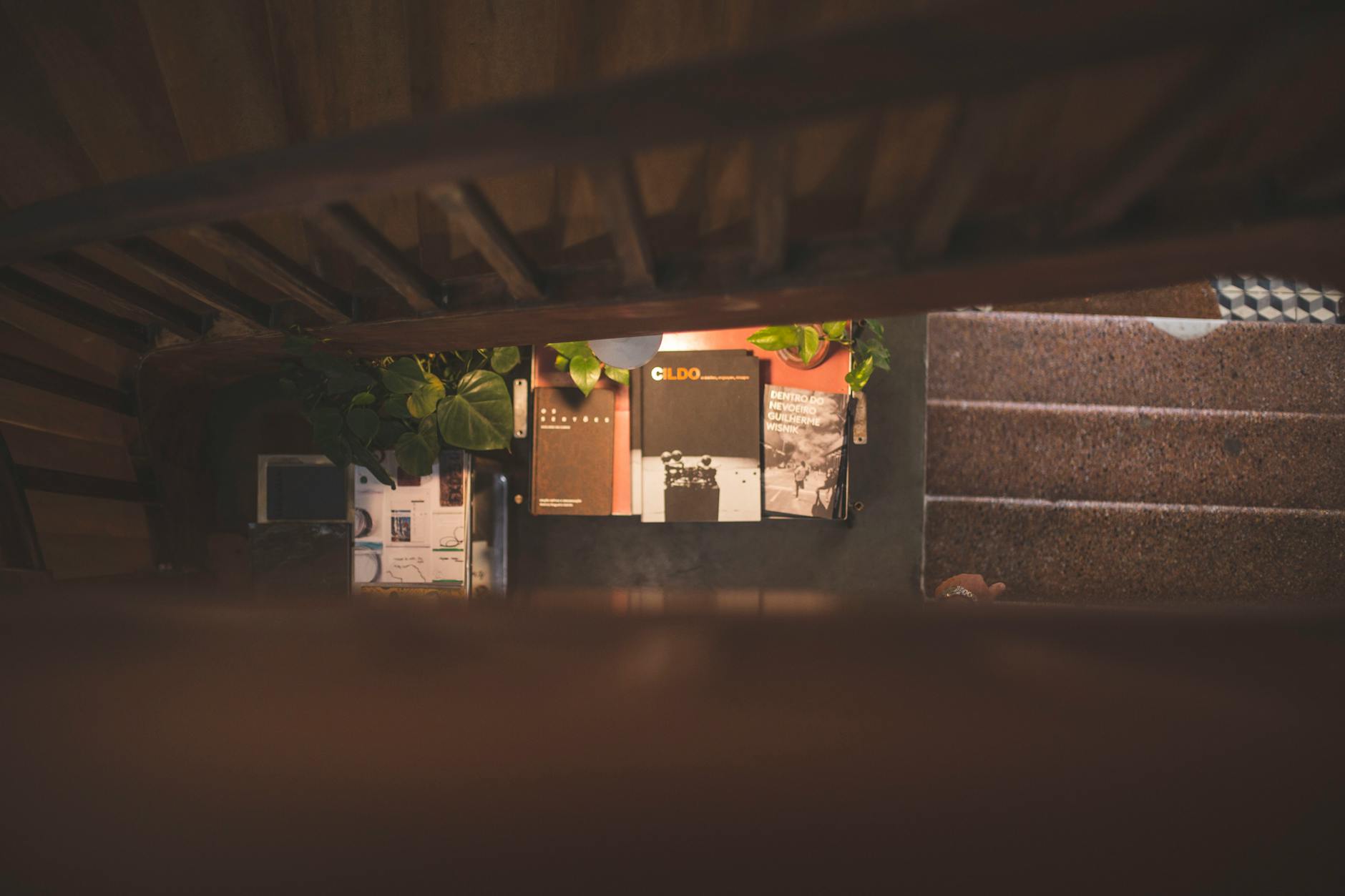
Staircase Location: Where Paths Cross
The placement of a staircase has a significant impact on the overall atmosphere of a home. Where this major pathway is located can set the tone for how energy circulates throughout the entire ground floor.
When a Staircase Faces the Front Door
One of the most discussed placements in Feng Shui is a staircase directly facing the front door. When you open your door, the first thing you see is the path leading straight up.
The perspective here is that the fresh energy entering your home might rush straight up the stairs, bypassing the main living areas on the ground floor. This can sometimes leave the downstairs feeling a bit depleted or overlooked.
Think of it like that gentle stream again. If the moment it enters, it’s met with a steep waterfall, it doesn’t have a chance to pool and nourish the surrounding landscape. It just rushes onward and upward.
A Staircase in the Center of the Home
The center of a home is often considered its heart, a place of grounding, stability, and health. It’s like the hub of a wheel from which all other areas radiate.
When a staircase is located in the very center of the home, some Feng Shui schools suggest it can create a sense of constant movement or instability in this core area. The up-and-down motion can feel like a “hole” in the energetic heart of the home.
This doesn’t mean it’s a problem. It’s simply an observation about the quality of energy. The center is associated with stillness, and a staircase is all about motion. Noticing how these two things interact is the first step.
A Gentle, Tucked-Away Placement
Many people find that a home feels most welcoming when the staircase is located off to the side. It’s not the first thing you see, but rather something you discover as you move into the space.
This placement allows energy to enter the front door, circulate through the living room, kitchen, and dining area, and then find its way upstairs. The flow feels more natural and unhurried, giving the ground floor a chance to be fully energized.
The Shape and Feel of Your Stairs
Beyond location, the actual design of your staircase contributes to its feeling. The shape, materials, and construction all play a part in how energy moves along its path.
Graceful Curves vs. Straight Lines
A straight, steep staircase can feel a bit like a ladder. The energy, and our own movement, can feel rushed and direct. It’s a very efficient way to get from one floor to another, but it can lack a sense of grace.
In contrast, a staircase with a gentle curve or a landing partway up encourages a slower, more meandering journey. The curve naturally slows the flow of Qi, preventing it from rushing down from the upper floor. It invites a pause, a moment to transition peacefully.
Spiral Staircases
Spiral staircases are often beautiful architectural features, saving space while adding a dramatic touch. From a Feng Shui perspective, they are sometimes viewed with caution.
The tight, coiling shape can be associated with a “corkscrew” or “drilling” energy. For some people, walking up and down a tight spiral can feel slightly disorienting. It’s a very concentrated and powerful energy path.
Open Risers and a Sense of Support
Modern “floating” stairs with open risers—the vertical part of the step—are visually light and airy. They can make a space feel larger and more open.
The Feng Shui observation here relates to the feeling of support. When you can see through the steps, it can create a subtle sense of insecurity, as if you are not fully supported on your journey up. The gaps are also seen as places where energy can “leak” out, rather than flowing smoothly to the next level.
This is very personal. Some people love the look and feel no different, while others may feel a little less grounded when using them.
The Space Under the Stairs
That triangular space under the staircase is often a puzzle. It can easily become a neglected corner, a magnet for clutter, or an awkward, unused area. But with a little intention, it can become a wonderful feature.
The Common Clutter Corner
Let’s be honest: for many of us, the space under the stairs is where shoes, old coats, vacuum cleaners, and sports equipment go to be forgotten. It’s out of the way, so it’s an easy spot for things to pile up.
In Feng Shui, clutter can lead to stagnant or stuck energy. When this happens under a primary pathway like a staircase, it can make the whole area feel heavy and sluggish.
Creating a Purposeful, Positive Space
Giving this space a clear and positive purpose can completely change its energy. It doesn’t have to be a major project. Simple things can make a big difference.
- A Reading Nook: A comfortable chair, a soft cushion, and a small lamp can turn this into a cozy retreat.
- A Plant Sanctuary: A tall, healthy plant that grows upward can bring life and vitality to the space, symbolically lifting the energy of the stairs.
- A Small Library: A few shelves with beloved books create an atmosphere of wisdom and quiet enjoyment.
- A Pet Bed: It can be the perfect, den-like space for a dog or cat to feel safe and secure.
Bringing in light, intention, and care can be a wonderful approach. Keeping it clean, organized, and giving it a clear purpose can be helpful.
Spaces to Approach with Awareness
Some uses for the under-stair space are worth a little more thought. This isn’t about right or wrong, but about observing the potential energetic impact.
A Bathroom Under the Stairs: This is very common in modern homes. The concern from a Feng Shui perspective is that the draining, downward energy of a bathroom is located under a path of upward movement. It can be seen as “flushing away” the supportive energy of the home.
If you have this setup, you might consider creating a more harmonious feeling by keeping the bathroom door closed, maintaining a spotlessly clean space, and perhaps adding an upward-growing plant just outside the door.
A Desk or Workspace: Working under a staircase can sometimes feel oppressive or limiting. The heavy, descending weight of the stairs above you might subtly affect your ability to think expansively. Notice how you feel when you work there. Do you feel creative and productive, or a bit stuck and weighed down?
Simple Ways to Soften and Enhance
You don’t need to renovate your home to improve the feeling around your staircase. Small, gentle adjustments can shift the energy in beautiful ways.
If your stairs face the front door:
- Place a beautiful, round rug at the bottom of the stairs to help pool and slow down energy before it rushes up.
- A small, circular table with a fresh flower arrangement can also help circulate the Qi.
- Hang a beautiful piece of art on the wall of the landing to draw the eye and create a pause.
- A crystal sphere hung from the ceiling between the door and the stairs is sometimes used to disperse the energy, slowing its flow.
For steep or straight stairs:
- A runner can help ground the energy and make the path feel more stable and defined.
- Hang a series of pictures along the wall, leading the eye upward in a gentle, rhythmic way. This encourages a slower pace.
For the space underneath:
- A simple and powerful step you might consider is to clear any clutter.
- Add a small lamp or uplight to brighten the corner and lift the energy. Light can be a wonderful way to refresh stagnant spaces.
Your Home, Your Feeling
Take a moment today to simply stand at the bottom of your stairs. Look up. How does it make you feel? Is it an invitation or a challenge? Then walk up slowly, and walk back down. Notice the sounds, the light, and the feeling of support beneath your feet.
These Feng Shui principles are not rigid rules. They are gentle prompts for observation. They invite you to connect with your home in a new way, to see the unseen flows and patterns that shape your daily life.
Ultimately, your home is your sanctuary. The best guide to creating a space that supports you is your own intuition. If your staircase feels good to you, then it is good. Trust your own sense of comfort, peace, and ease.
Featured Photo by Jan van der Wolf on Pexels.


