
There is a unique gravity to a kitchen. It’s a quiet pull that draws us in, even when we aren’t hungry. The gentle hum of the refrigerator, the scent of coffee brewing, the simple sight of sunlight on a clean countertop—these small moments anchor our day.
More than any other room, the kitchen is where life happens. It’s where we begin our mornings and often where we share the stories of our day. It is the modern hearth, a center of warmth, transformation, and deep nourishment.
In Feng Shui, the kitchen is often seen as a reflection of our health and well-being. It’s where we take the raw gifts of the earth and transform them into energy for our bodies. This space is not just about food; it’s about how we care for ourselves and for others.
The Stove: The Heart of the Kitchen
At the very center of this idea is the stove. Think of it as the heart of your home’s hearth. It is a powerful symbol of transformation, where simple ingredients become warm, life-giving meals.
When we look at our homes through this lens, the condition of the stove can be quite telling. Taking a moment to notice it can be a simple, grounding practice.
A Clean and Working Stove
Does your stove work well? Are all the burners functional? A stove where every burner is clean and in good working order can be seen as a symbol of readiness and capability. Some people find it suggests a feeling that many opportunities could be available.
Cleaning the stovetop isn’t just a chore. It can be a small ritual of clearing the way for the next meal, the next day. It’s an act of respect for the tool that nourishes you.
Using All the Burners
Many of us have a favorite burner—that one we use out of habit for everything from boiling water to simmering sauce. There’s nothing wrong with that, of course. But there’s a gentle invitation in using all the burners from time to time.
Some people feel that rotating which burner you use helps to circulate energy and invite new experiences. It’s a simple way to break a routine and bring a little more awareness to the act of cooking.
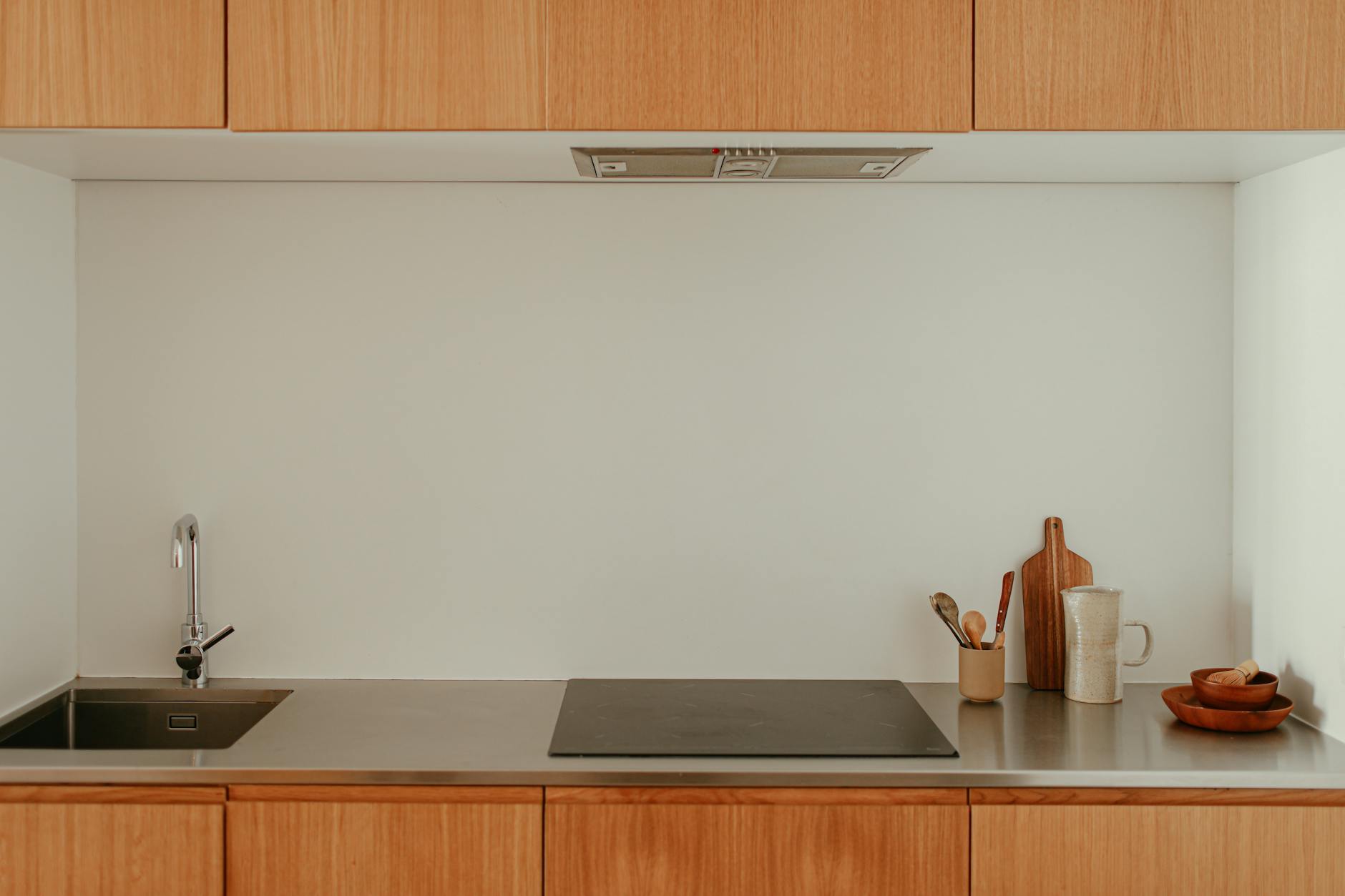
The Feeling of Command
Have you ever noticed how you feel when you’re standing at your stove? In some Feng Shui perspectives, there is an idea called the “commanding position.” This generally refers to being able to see the entrance to a room while you are at an important spot, like your desk or your bed.
The same idea can be applied to the kitchen. When you are cooking, can you see who might be walking into the room? If your back is to the door, it can sometimes create a subtle feeling of being startled or on edge.
A Gentle Solution
Many kitchen layouts don’t allow for the stove to face the door, and that is perfectly fine. This isn’t about a “right” or “wrong” design. It’s about how you feel in the space.
If you feel you’d be more comfortable seeing behind you, a simple fix can make a difference. Some people place a small, reflective surface nearby—like a shiny kettle, a stainless steel utensil holder, or even a small, decorative mirror propped on the counter. It offers just enough of a reflection to give you a sense of who is entering the space, which can feel more relaxing.
Clarity on the Countertops
Our kitchen counters are landing zones for everything: mail, keys, groceries, school projects. Over time, they can become cluttered, making the simple act of preparing a meal feel like a challenge.
A cluttered space can sometimes feel like a cluttered mind. When our surfaces are covered, it can be hard to find the physical and mental space to begin something new.
Creating Breathing Room
You don’t need to aim for a perfectly empty, minimalist kitchen. The goal is simply to create enough clear space to work comfortably. This is your “breathing room.”
Try clearing just one small section of your counter. Wipe it down. Notice how that small patch of open space feels. Sometimes, that’s all it takes to make the entire room feel lighter and more inviting.
When your workspace is clear, the process of chopping vegetables or mixing ingredients can feel more mindful and less chaotic.
The Pantry and Refrigerator: Your Inner Abundance
The places where we store our food are also part of the kitchen’s story. Opening your refrigerator or pantry door can be a revealing moment.
What do you see first? Is it an organized collection of fresh ingredients that inspire you? Or is it a jumble of old containers and forgotten items that feels a little overwhelming?
How we store our food is connected to how we receive nourishment. When we can easily see the healthy, fresh foods we have, we are more likely to use them. It’s a simple, practical way to support our well-being.
A Simple Refresh
Organizing a pantry doesn’t have to be a huge project. You could start by simply taking five minutes to check for expired items. Or, you could group similar things together—all the cans in one spot, all the grains in another.
Clear containers can be helpful. Seeing the pasta, rice, and beans you have on hand makes it easier to plan meals and feel a sense of abundance.
The Dance of Water and Fire
In Feng Shui, much attention is paid to the Five Elements: Wood, Fire, Earth, Metal, and Water. The kitchen is a place where two of these elements are particularly strong: Fire (the stove) and Water (the sink).
These two elements have a powerful relationship. In nature, water puts out fire. In a kitchen, this can be observed in the layout. Sometimes, a sink and a stove placed directly next to each other can create a feeling of conflict or unease.
Creating Harmony
If your sink and stove are side-by-side, there’s no need to remodel. You can introduce a mediating element between them to create a sense of harmony.
The Wood element is often used for this, as it is nourished by Water and fuels Fire. Here are a few simple ideas:
- A Wooden Cutting Board: Simply stand a beautiful wooden cutting board upright between the sink and stove.
- A Small Plant: A pot of fresh herbs like basil or parsley on the counter can add life and a touch of green.
- The Color Green: Even a green dish towel, a green ceramic utensil holder, or a green floor mat can act as a symbolic buffer.
The idea is to create a visual separation that feels more balanced and calm.
Nourishment for All the Senses
A kitchen that truly nourishes us engages more than just our sense of taste. It’s an experience for all five senses.
What Do You See?
Notice the light in your kitchen. Is it bright and energizing, or is it dim and shadowy? Good lighting makes cooking safer and more pleasant. A simple under-cabinet light can transform a dark corner.
Color also plays a role. Warm, earthy tones are often associated with nourishment and stability, while bright, cheerful colors can feel uplifting. What colors make you feel good?
What Do You Smell?
The kitchen is a place of powerful aromas. The smell of baking bread, simmering garlic, or fresh lemons can make a house feel like a home. These scents are part of the nourishment.
It’s also important to be mindful of less pleasant smells. Taking out the trash regularly and keeping the sink drain clean helps maintain a fresh and inviting atmosphere.
What Do You Hear?
Listen to the sounds of your kitchen. The sizzle of oil in a pan, the rhythmic chop of a knife, the clink of glasses. These are the sounds of life and creation.
You can also introduce sounds that you love. Play some music while you cook. Open a window to hear the birds. The soundscape of your kitchen contributes to its overall feeling.
More Than Just a Room for Food
Ultimately, the kitchen’s role extends far beyond meals. It is a hub of connection. It’s where we have quiet morning conversations over coffee and where children might do their homework while dinner is being prepared.
This space holds the energy of our daily interactions. It nourishes our relationships just as much as it nourishes our bodies. When the kitchen feels good, that feeling often ripples out into the rest of the home.
The Act of Cooking as a Practice
The process of cooking itself can be a form of mindfulness. When we slow down and pay attention to the ingredients—their colors, textures, and smells—we are fully present in the moment.
This simple act of preparing food with care is an act of love for ourselves and for those we are feeding. It transforms a daily chore into a meaningful ritual.
A Gentle Invitation
There is no need to overhaul your kitchen overnight. The invitation here is one of gentle awareness. The next time you walk into your kitchen, just pause for a moment.
How does it feel? What is one small thing you could do to make it feel a little better? Maybe it’s wiping down the counter. Maybe it’s buying a fresh bunch of flowers to put on the table. Or maybe it’s just appreciating the way the afternoon light comes through the window.
Start with one small, simple change that feels good to you. That is often where the most meaningful shifts begin.
Your Kitchen, Your Story
Every home is different, and every kitchen has its own unique character. The ideas from Feng Shui are not rules to be followed, but rather tools for observation.
They help us see our spaces with fresh eyes and understand how our environment might be affecting us. The goal is not to create a “perfect” kitchen according to some external standard.
The goal is to create a kitchen that supports and nourishes you. Your home is yours. Let your kitchen be a place that tells a story of warmth, care, and joyful living.
Featured Photo by Mark McCammon on Pexels.


