
There is something about the sound of moving water. A gentle stream, a soft rainfall, the quiet gurgle of a fountain. It seems to quiet the mind and soothe the edges of a busy day.
This connection we have with water is ancient and deep. It’s no surprise that in Feng Shui, an art focused on our relationship with our surroundings, water holds a special place.
Let’s explore the gentle presence of water in our homes, looking at fountains, aquariums, and even symbolic representations. This isn’t about strict rules, but about quiet observation and what feels right to you.
The Essence of Water in Feng Shui
In the language of Feng Shui, everything is seen as part of a cycle of five elements: Wood, Fire, Earth, Metal, and Water. Each element has its own character and energy.
Water is associated with flow, wisdom, and the journey of life. Think of a river—it can be calm and deep, or it can be active and moving. It nourishes life and finds its way around obstacles with persistence.
Because of these associations, water is often linked to the flow of resources, communication, and opportunities into our lives. It represents a current of quiet abundance and clarity.
Moving Water vs. Still Water
It can be helpful to think about water in two forms. Moving water, like that in a fountain, is considered more active or “yang.” It brings a sense of gentle activity and circulation to a space.
Still water, like a calm pond or a simple bowl of water, is more passive or “yin.” It encourages quiet reflection, depth, and tranquility.
The Gentle Sound of a Fountain
A small indoor fountain can be a lovely way to introduce the element of water into your home. The focus is often on the sensory experience it provides.
The soft, trickling sound can help mask background noise, creating a more peaceful atmosphere. The sight of the water gently moving can be mesmerizing and calming to the eye.
Where to Place a Fountain?
There are many different ideas about where a fountain might feel best. Some people enjoy placing one near the main entrance of their home.
The symbolism here is of fresh opportunities and resources flowing into the home. It can create a welcoming and refreshing feeling for anyone who enters.
Another common area is a home office or workspace. The gentle movement and sound can be associated with a smooth flow of ideas, creativity, and communication.
You might find that a bedroom isn’t the ideal spot. For some, the active energy and sound of running water can feel a bit too stimulating for a space dedicated to rest and quiet.
The Importance of a Clean Fountain
One of the most practical aspects of having a water feature is maintenance. In Feng Shui, the quality of the water is very important.
Stagnant, cloudy, or dirty water can make a space feel heavy and neglected. Clear, fresh, flowing water feels light, clean, and vital.
Keeping your fountain clean and the water fresh is a simple act of care that contributes to the overall feeling of your environment.
The Living World of an Aquarium
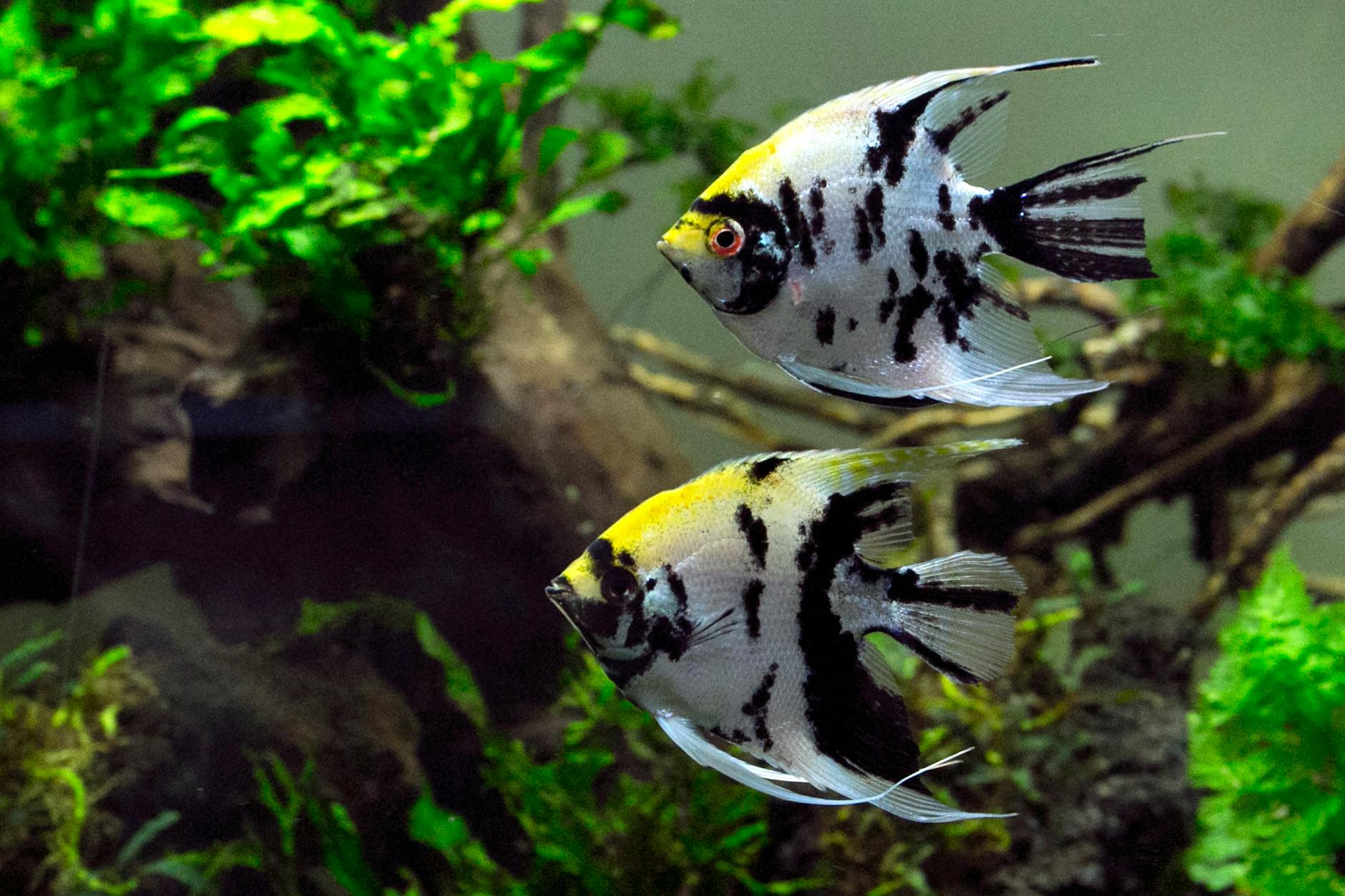
An aquarium is more than just a container of water. It is a small, living ecosystem, full of gentle movement and life.
Watching fish swim gracefully among plants can be incredibly relaxing. It brings a piece of the natural world indoors, offering a focal point for calm observation.
An aquarium combines the water element with the life energy of the fish and plants, creating a unique and dynamic presence in a room.
A Different Kind of Energy
Because an aquarium contains living beings, it carries a different kind of energy than a simple fountain. It represents a responsibility.
Caring for the fish—feeding them, keeping their environment clean and healthy—is part of the experience. This act of nurturing is, in itself, a beautiful practice of mindfulness and care within the home.
A healthy, thriving aquarium can add a wonderful sense of vitality to a space. Conversely, a neglected tank can feel sad and heavy.
Thinking About Aquarium Placement
Like fountains, aquariums are often placed in common areas where their beauty can be enjoyed, such as a living room or a den.
Practical considerations are key. Aquariums are heavy, require electricity for filters and lights, and need to be accessible for regular cleaning.
It’s also about scale. A massive aquarium in a tiny room might feel overwhelming, while a small, well-placed tank can feel like a perfect jewel. The goal is a sense of balance.
When Real Water Isn’t an Option
Perhaps a fountain or an aquarium doesn’t fit your lifestyle or your space. That’s perfectly fine. You can still invite the feeling of the water element into your home through symbolism.
Feng Shui is not just about physical objects; it’s also about the intention and feeling that images, colors, and shapes evoke.
Images and Artwork
A beautiful photograph or painting of water can be a powerful symbol. You have complete control over the feeling it brings into your room.
Consider the difference between an image of a calm, misty lake at dawn and a picture of giant, crashing ocean waves. One might evoke peace and serenity, while the other suggests power and drama.
Choose artwork that resonates with the specific quality of water you wish to feel in that space. There is no right or wrong answer—only what feels good to you.
Mirrors as a Symbol of Water
In some Feng Shui traditions, mirrors are seen as symbolic representations of water. They have a liquid-like quality, reflecting light and images.
A well-placed mirror can create a sense of depth and flow, making a room feel larger and brighter. It mimics the way a calm body of water reflects the sky and its surroundings.
Wavy Shapes and Dark Colors
The water element is also associated with specific shapes and colors. Flowing, undulating, or wavy patterns can bring a sense of movement into a room.
This could be as simple as a rug with a wave-like design, curtains with a flowing pattern, or a uniquely shaped piece of furniture.
Colors like black and very dark blues are also connected to the water element, representing its depth and mystery. A dark blue accent wall, a black picture frame, or a few dark cushions can be subtle nods to this energy.
Finding Your Own Flow
The most important part of exploring Feng Shui is to pay attention to your own feelings. How does the sound of a fountain make you feel? For many, it’s calming. For others, it might be a distraction.
Do you find watching fish to be a meditative experience, or does the thought of cleaning a tank feel like just another chore on your list?
These personal responses are your best guide. The goal is not to follow a set of external rules, but to cultivate a deeper awareness of how your environment affects you.
A Gentle Invitation
If you’re curious about bringing more of the water element’s feeling into your home, you can start small. You don’t need a large, expensive feature.
Try placing a small, quiet tabletop fountain on a side table and see how it feels for a week. Or find a beautiful postcard of a river and place it on your desk.
Notice the water in your daily life. The way light reflects in a glass of water, the sound of rain against the window, the steam rising from a cup of tea. These are all simple moments of connection to this essential element.
Your home is your sanctuary. It is a reflection of you. Whether you choose a bubbling fountain, a vibrant aquarium, or simply a painting of a calm sea, the most important thing is that it brings you a sense of peace and flow.
Featured Photo by Cup of Couple on Pexels.


