
There is a quiet language our workspaces speak. A desk piled high with papers might whisper of a busy mind, while a clear surface can feel like taking a deep, calming breath.
We often arrange our desks without much thought. We put them where they fit, where the outlets are, or where the movers left them. But the way we position ourselves for work can have a gentle, persistent effect on our day.
This is a space for exploring that connection. We can look at how a few small shifts in our desk layout might help us feel more settled, focused, and ready for whatever the day brings. Feng Shui offers some interesting perspectives here, not as strict rules, but as gentle observations about how we relate to our environment.
The Feeling of Your Space
Before we move a single thing, it can be helpful to just sit at our desk and notice. How does it feel to be here? Do you feel supported and calm, or do you feel a little on edge, easily distracted?
There are no right or wrong answers. This is just about paying attention to the subtle signals your body and mind are sending. Your workspace is a personal place, and this exploration is about making it feel more like your own supportive corner of the world.
The Command Position: A Sense of Ease
One of the most well-known ideas in Feng Shui for desk placement is called the Command Position. It sounds formal, but the feeling it creates is simple and intuitive.
The idea is to position your desk so you can see the door to the room without being directly in line with it. You have a clear view of who is coming and going, which some people find helps them feel less exposed to the direct flow of activity from the doorway.
Why This Position Can Feel Good
From a practical standpoint, this arrangement can feel very reassuring. There are no surprises from behind. You have a sense of awareness and control over your personal space.
Some people find that when their back is to the door, they carry a low level of subconscious tension. They might be more easily startled or feel a subtle need to keep checking over their shoulder. Sitting in command can help release that tension, freeing up mental energy for focus.
What if You Can’t Face the Door?
Many modern layouts, especially in home offices or cubicles, make this arrangement difficult. That’s perfectly okay. The goal is not perfection, but awareness and gentle adjustment.
If your desk arrangement places your back to the door, you might consider placing a small, reflective object on your desk or monitor. A small mirror or even the dark screen of a tablet can give you a subtle glimpse of the space behind you. This small change can sometimes be enough to create that missing sense of awareness.
The View from Your Chair
What you see when you look up from your screen matters. The view directly in front of you can influence your thoughts and feelings throughout the workday.
Facing a Wall
Many of us end up with our desks pushed directly against a wall. It�����s often the most space-efficient layout. However, some people find that staring at a blank wall can feel limiting or creatively stifling.
If your desk faces a wall, you can create your own view. Hang a piece of art that you love, something with a sense of depth, like a landscape painting. A pinboard with inspiring images, quotes, or goals can also transform a flat wall into a window of possibility.
Facing a Window
A window view is wonderful for natural light and a connection to the outside world. It gives your eyes a place to rest and can feel expansive. The only thing to watch for is distraction.
If you find yourself gazing out the window more than you’d like, or if the light creates a glare on your screen, you might try a different arrangement. Sometimes, placing the desk perpendicular to the window gives you the best of both worlds. You get the light from the side and can easily turn your head to enjoy the view when you choose to.
Clearing a Path for Clarity
The state of our desk surface often mirrors the state of our mind. When it’s covered in clutter, our thoughts can feel just as scattered. Clearing your desk isn’t about sterile minimalism, but about creating breathing room.
One Small Space at a Time
The idea of decluttering an entire desk can feel overwhelming. Instead, you could try clearing just one small zone. Maybe it’s the corner where old mail collects, or the spot where coffee mugs seem to multiply.
Clearing even a single square foot can create a surprising shift in how the whole space feels. It’s a physical action that sends a message of calm and order to your mind.
Everything in Its Place
Having a designated home for your essentials—pens, notebooks, chargers—makes it easier to maintain a sense of order. When you know where things go, tidying up at the end of the day becomes a simple, two-minute ritual rather than a major project.
This simple habit can help you start each day with a feeling of freshness and possibility, rather than facing the leftover business of yesterday.
Using the Bagua Map on Your Desktop
In Feng Shui, there is a tool called the Bagua map. It’s an energy grid that can be laid over a room, a house, or even something as small as your desk. It associates different areas with different aspects of life.
You can think of this as a gentle way to set intentions for your work and life. By placing symbolic items in certain zones of your desk, you create small, physical reminders of what is important to you.
Imagine you are sitting at your desk. The Bagua map lays out like this:
- The Back Left Corner: This area is associated with Wealth and Abundance. It’s a wonderful spot for a healthy, thriving plant, symbolizing growth. A nice lamp that illuminates your work could also go here.
- The Back Middle: This is the Fame and Reputation area. It relates to how you are seen in the world. You might place your business cards here, an award you’ve received, or an inspiring quote.
- The Back Right Corner: This zone is connected to Love and Relationships. A framed photo of loved ones, a beautiful stone you found with a partner, or a pair of objects (like two crystals) can be placed here.
- The Front Center: This is the Career and Life Path area. It’s the space directly in front of you. It’s often suggested to keep this area clear and open, symbolizing an unobstructed path forward in your work.
This is not about magic. It’s about mindful placement. Seeing a photo of your family in the Relationship corner is a simple, grounding reminder of your support system during a stressful day.
The Support Behind You
Just as it’s important to see what’s in front of you, it’s also helpful to feel supported from behind. In Feng Shui, this often translates to having a solid wall behind your chair.
A solid wall can create a feeling of stability and protection. It’s like having a mountain at your back, holding you steady. If you can’t have a wall behind you, a chair with a high, solid back can offer a similar sense of support.
Think of it like the difference between sitting on a stool versus an armchair. The armchair simply feels more secure and restful, allowing you to relax more deeply into your work.
Bringing in Natural Elements
Our bodies and minds respond positively to the natural world. Introducing elements of nature to your workspace can soften the hard edges of technology and stress.
Plants and Wood
A small potted plant can do wonders for a sterile office environment. It brings life, purifies the air, and adds a touch of gentle, green energy. Wood elements, like a wooden pen holder or a bamboo desk organizer, can also add warmth and a connection to nature.
Light and Airflow
Good lighting and fresh air are fundamental. If you can, position your desk to take advantage of natural light. It’s known to boost mood and regulate our internal clocks.
Even just opening a window for a few minutes each day can help refresh the atmosphere and invigorate both the room and your mind. If you don’t have a window, a full-spectrum light bulb can simulate the beneficial qualities of daylight.
An Invitation to Experiment
All of these ideas are simply starting points. They are invitations to play and observe. There is no single “perfect” desk layout that works for everyone.
You might try one small change this week. Perhaps you move a lamp to the back left corner of your desk. Or maybe you turn your chair just a few inches to get a better view of the door.
Notice how it feels. Does it make a difference? Does it feel better, worse, or just different? The goal is to cultivate an awareness of your space and how it supports you.
Your workspace is deeply personal. It’s the place where you solve problems, create new things, and connect with your purpose. Arranging it with intention is a simple act of kindness to yourself.
Ultimately, your home and your desk are yours. The best arrangement is the one that helps you feel comfortable, capable, and ready to flow with your day. Trust your own feelings to guide you.
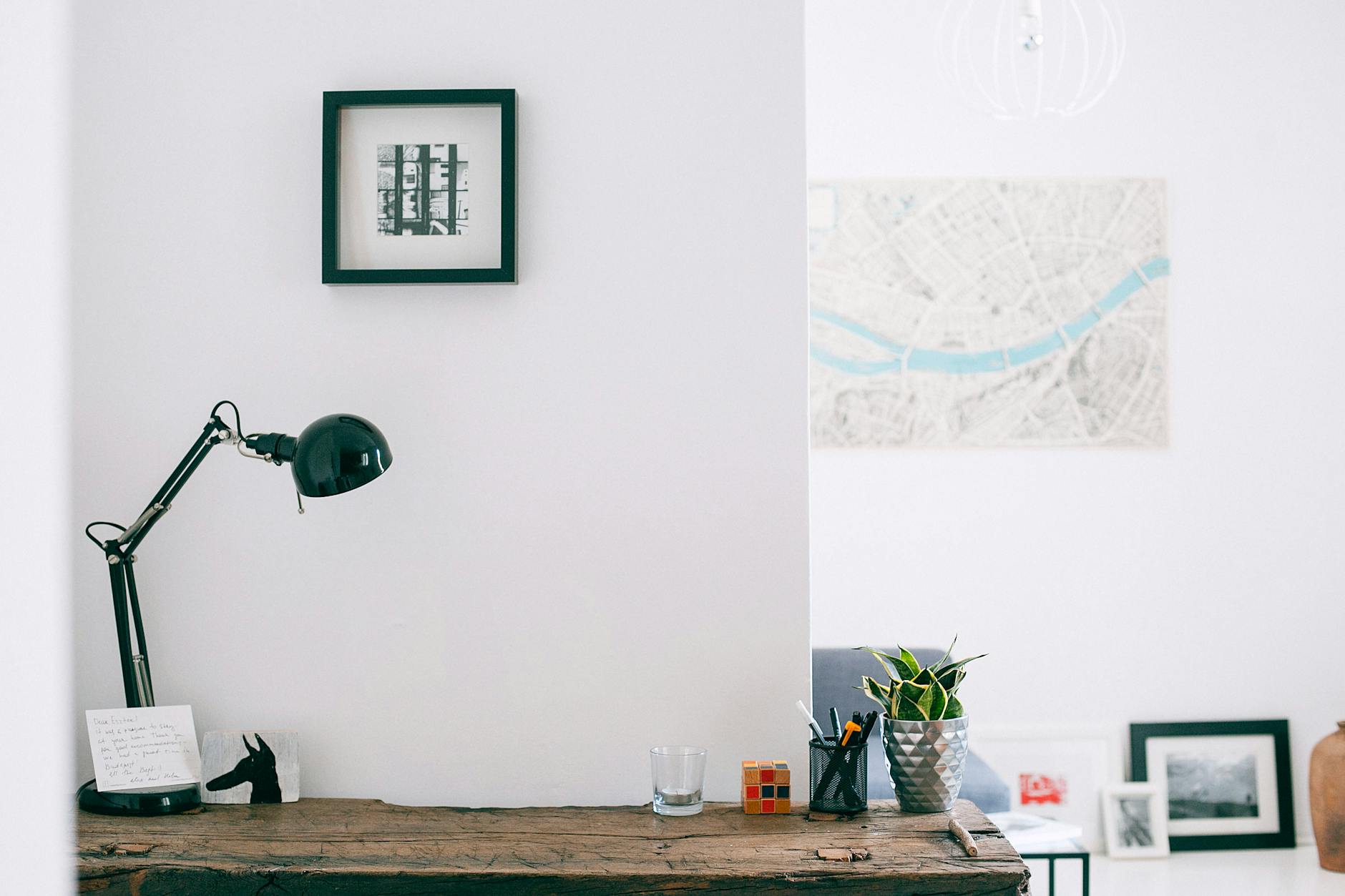
Featured Photo by Pixabay on Pexels.


