
There’s a particular quiet that settles into a home when you live alone.
It’s not an empty quiet. It’s a full one. It’s the sound of your own thoughts, the rhythm of your own routines, the space to simply be.
Living by yourself is a unique experience. It’s a canvas with just one artist. And that brings its own set of questions about how to arrange the space.
The Feng Shui Perspective on a Solo Home
In Feng Shui, a home is often seen as a reflection of the people in it. The energy, or Qi, is shaped by movement, intention, and interaction.
So what happens when there’s only one person?
Some traditions might view a one-person home as a space where energy can become very still. The idea is that without the natural movement of others, energy can settle in a particular way.
But a more helpful way to look at it is simply as a different kind of ecosystem. It’s a space with a single point of focus. Your habits, your moods, your energy become the primary force in the room.
This isn’t a problem to solve. It’s just a reality to be aware of.
Noticing the Flow in a Quiet Space
When you live with others, energy is constantly being stirred by different comings and goings. In a solo home, you are the sole source of that movement.
This means the patterns you create become very powerful.
Think about the path you walk from your front door to the kitchen. Or from your bed to your desk. These are the main channels of movement now.
If these paths are consistently cluttered or feel difficult to navigate, the whole space can start to feel a bit stuck. It’s a subtle feeling, like walking through molasses.
Clearing these main walkways, even just a little, can make the entire home feel lighter. It’s not about perfection. It’s about ease.
The Challenge of “Dead Corners”
Every home has them. The corner behind the armchair. The end of a hallway. The space behind a door.
In a bustling household, these spots might get brushed past or used for storage. In a one-person home, they can become more noticeable.
When a corner collects nothing but dust and forgotten items, it can start to feel heavy. In Feng Shui, this is sometimes called “dead Qi”—energy that has nowhere to go.
The invitation here is simple: bring a little life to those corners.
You don’t need to fill them. Just acknowledge them.
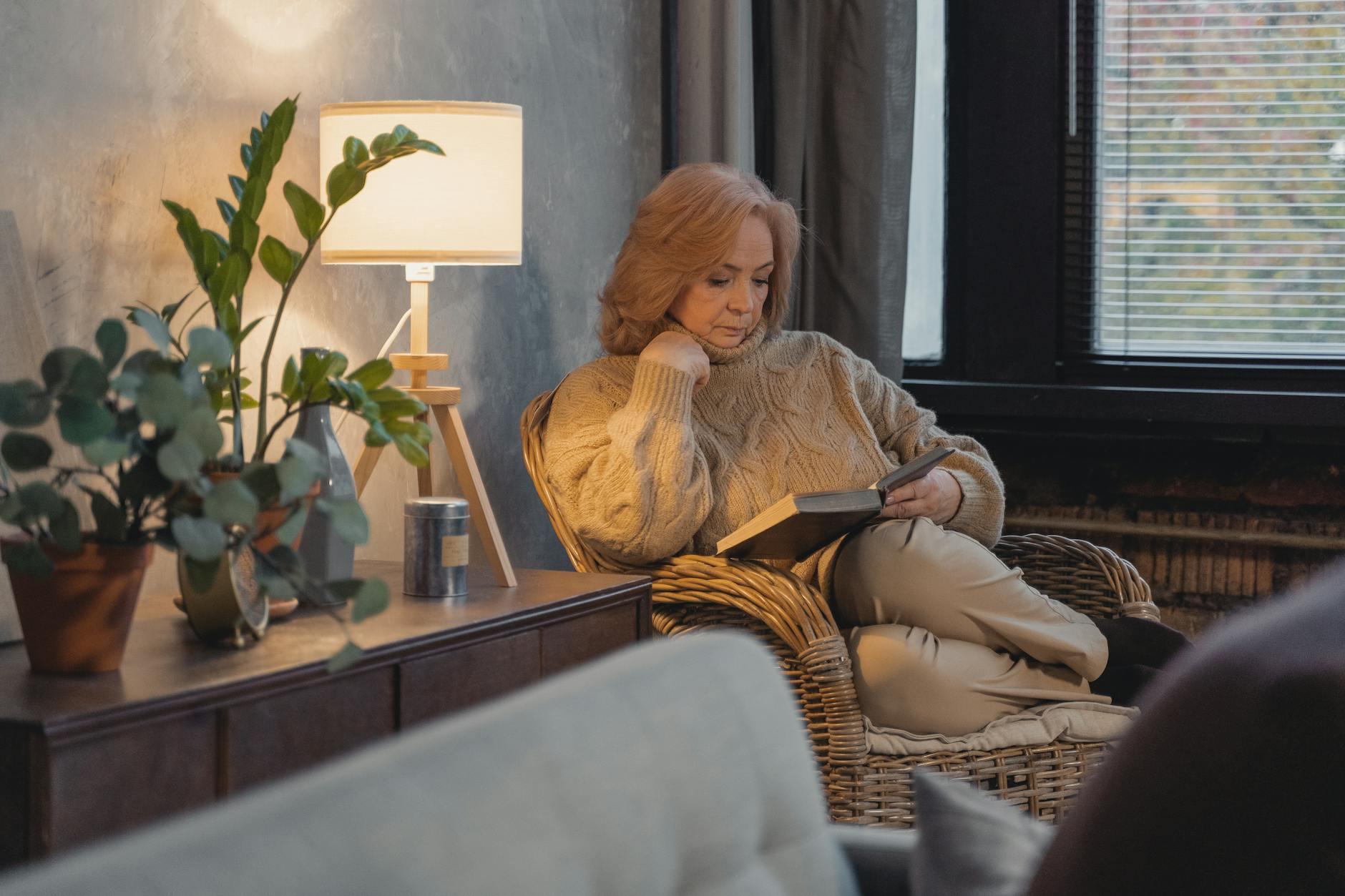
- A small, healthy plant can do wonders.
- A gentle lamp with a warm bulb can soften the shadow.
- Even a beautiful piece of fabric draped over a box changes the feeling.
The goal is to let energy curl into the corner and move back out again, rather than getting trapped.
The Balance of Sound and Silence
Sound is a form of energy, too. In a silent apartment, a single dripping tap can feel enormous. The buzz of a refrigerator becomes a background character.
Some people find they need to introduce gentle, moving sound to balance the quiet.
This isn’t about masking silence, but about companioning it.
A small tabletop fountain brings the sound of moving water. Wind chimes near a cracked window catch the breeze. Even the quiet tick of an analog clock can provide a steady rhythm.
These sounds remind us that energy is always in motion, even when we are still.
Furnishing for One (Without It Feeling “Temporary”)
There’s a tendency to furnish a solo home as if waiting for more people to arrive. One sad armchair facing a giant television. A dining table that never gets used.
But this is your home. Right now. It deserves to be set up for your life as it is.
Think about what you actually do. If you love to read, make your reading nook the most inviting spot in the house. If you eat at the coffee table, own that. Make it a beautiful ritual with a nice tray.
If you have a dining table that feels lonely, don’t just ignore it. Use it.
- Spread out a puzzle or a creative project.
- Set up a dedicated space for paying bills or writing letters.
- Place a vase there and make a habit of bringing in a single branch or flower.
Furniture that is used and loved holds a lovely energy.
The Bed: The Anchor of a Solo Home
In a one-person household, the bedroom often becomes the true heart of the home. It’s not just for sleeping. It might be where you read, watch films, or simply retreat.
This makes the position of the bed especially meaningful.
Some people find they sleep better when the bed is placed so they can see the door from a comfortable position. It’s a simple, subconscious feeling of security.
If your bed is shoved into a corner or has one side against a wall, it can sometimes feel a bit restrictive. There’s a Feng Shui idea about having “equal access” to both sides, which some associate with a feeling of openness.
If you can, pulling the bed away from the walls, even by a few inches, can change the feeling of the entire room. It creates a flow of energy around you as you rest.
Welcoming Energy Through the Front Door
The front door is called the “Mouth of Qi” in Feng Shui. It’s how energy enters your home.
When you live alone, you are the only one using it regularly. Your comings and goings set the tone.
Take a moment to stand outside your own front door. What do you see immediately upon entering?
A wall? A pile of shoes? The back of a couch?
If the first view is cramped or blocked, the energy can feel like it hits a wall. A simple mirror placed to reflect light inward, or a piece of art you love, can give the energy a place to land and expand.
You might consider keeping the area just inside the door clear. This isn’t about being a minimalist. It’s about creating a sense of arrival—a gentle welcome for you, every single time you come home.
The Gift of a Space That’s Entirely Yours
Living alone offers a rare opportunity. Your home can become a perfect mirror of your inner state.
Feel like being messy? The mess is yours. Feel like having a dance party in the living room at 10 AM? The floor is yours.
This level of control is powerful. With it comes the chance to observe yourself.
Notice when clutter builds. Is it when you’re stressed or busy? See when you naturally tidy. Is it when you’re planning something new?
Your space becomes a diary written in objects and arrangements.
A Gentle Invitation to Observe
If you’re curious about applying Feng Shui ideas to your solo home, start with observation. You don’t need to start moving heavy furniture.
Spend a week just noticing.
- Which room do you gravitate to when you’re happy? Which do you avoid when you’re low?
- Where does the morning sun land, and does it feel good?
- Is there a drawer or cupboard that you always hesitate to open because it’s jammed?
These observations are your map. They tell you where the energy in your home flows easily, and where it might feel a bit stuck.
Then, you might consider making one small change. Just one.
Clear that one drawer. Move that chair into the sun. Put a lamp in that dark corner.
See how it feels. Your home will tell you if it was the right move.
Your Home Is Yours
Living alone is not a lack of something. It’s a full, rich way of living. Your home is your companion, your sanctuary, and your expression.
The ideas here are just lenses to look through. They are not rules for a correct life.
Some people thrive in sparse, minimalist spaces. Others feel most themselves surrounded by books and art. Both are right.
The only question that matters is: does your space feel like it supports you? Does it feel like home?
Trust your own feeling. After all, you’re the one living there. You are the expert of your own quiet, wonderful domain.
Featured Photo by Max Vakhtbovych on Pexels.


