
My first apartment was a block from a busy road.
I loved the convenience. I could walk to everything. But I remember the first night, lying awake, listening to the low, constant hum of tires on asphalt. It was a sound I had to learn to live with.
It got me thinking about the spaces we choose and the energy that flows through them, both inside and out.
The Feng Shui Perspective on Movement
In Feng Shui, we often talk about qi—the life force or energy that moves through everything.
It’s not a mystical concept. Think of it more like the feeling in the air. A gentle breeze feels refreshing. A howling gale feels chaotic.
Major transport routes are like powerful currents of this energy. Rail lines and highways are channels of constant, fast-moving activity.
Some Feng Shui traditions associate living very close to these channels with a specific kind of energy. It’s often described as fast, sharp, or scattered.
The idea isn’t that it’s “bad.” It’s more that it’s a very strong, consistent influence. Like living next to a swiftly flowing river.
What We Actually Notice
You don’t need to know any philosophy to feel the effects of a nearby highway or train line.
It’s in the physical world. The vibration you might feel in the floor. The dust that settles a little faster on the windowsill.
It’s in the constant background sound. For some, it becomes a familiar white noise. For others, it’s a source of low-grade stress they can’t quite pinpoint.
And it’s in the light—the sweep of headlights at night, the glare off metal during the day.
Feng Shui simply gives us a language to talk about these experiences. It asks us to be aware of them.
The Sound of Your Space
Sound is a powerful shaper of atmosphere.
A quiet room can feel like a sanctuary. A room filled with unpredictable noise can keep us on edge, even if we’re used to it.
Living near transport, the sound is often rhythmic but relentless. It’s a form of energy that doesn’t rest.
You might notice how it makes you feel at different times. In the morning, does it feel energizing? At night, when you’re trying to unwind, does it feel intrusive?
Your honest answer is the only one that matters.
The Air You Breathe
This is a very practical consideration.
Highways, in particular, can bring particulates and exhaust. Rail lines can bring dust and industrial residues.
Feng Shui is deeply concerned with the quality of qi, and clean air is a fundamental part of that.
It’s not about fear. It’s about taking simple, empowering steps.
Some people find that good air filters, plenty of indoor plants known for air purification, and keeping windows closed during peak traffic times can make a tangible difference in how their home feels.
Creating a Sense of Buffer
If the energy outside feels too fast or harsh, some people explore the idea of slowing it down before it reaches them.
You can think of it as creating a gentle buffer between the public rush and your private calm.
At Your Windows
Your windows are where the outside world meets your inner space.
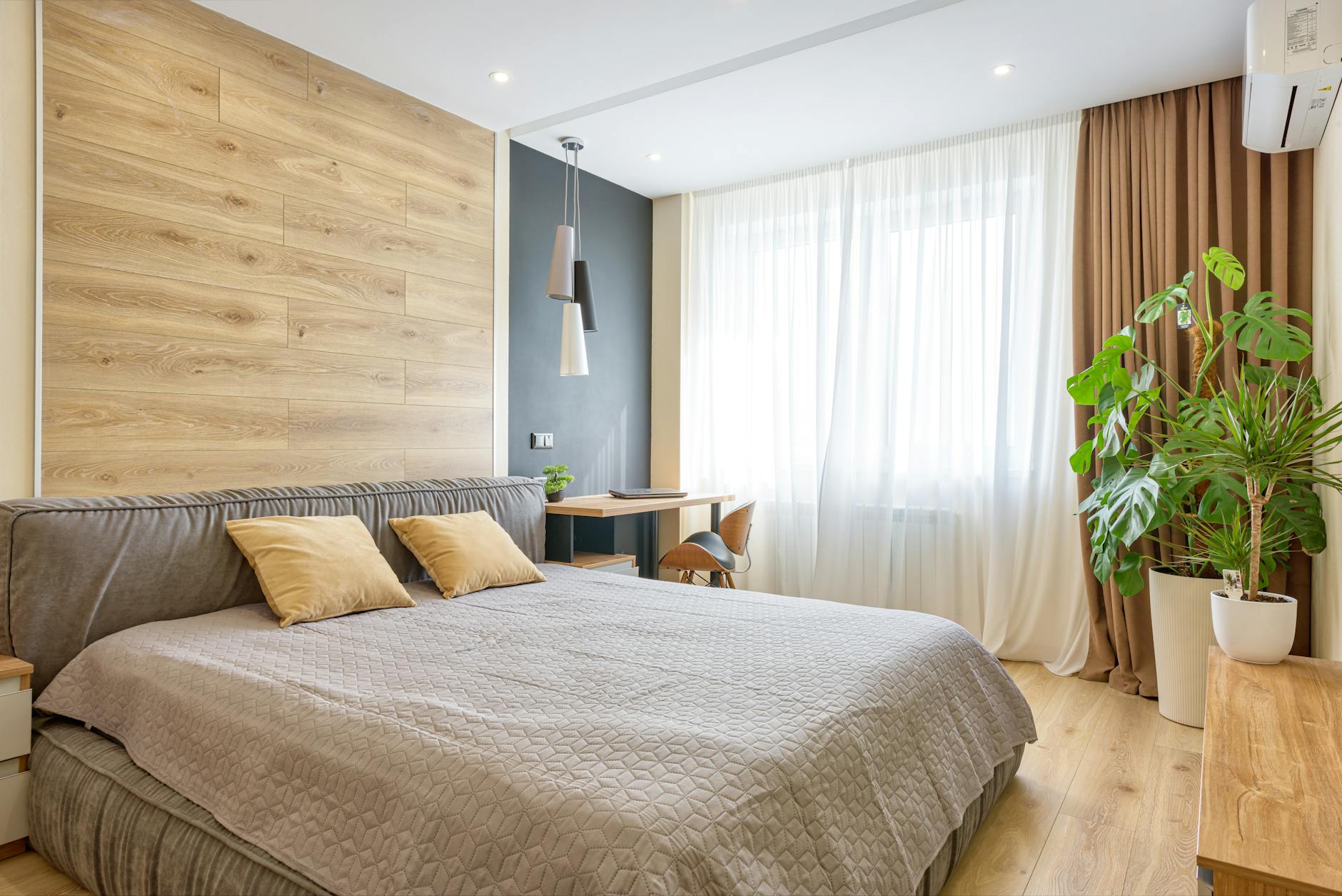
Heavy, soft curtains do more than block light. They can absorb sound and create a visual softness. Closing them at night can symbolically and literally “tuck your home in.”
Plants on windowsills or in front of windows act as a living filter. They soften the view, catch dust, and bring a slower, growing energy inside.
On Your Walls and Floors
Soft materials can help dampen vibration and sound.
A thick rug can make a room feel instantly quieter and more grounded. Tapestries or fabric wall hangings absorb sound in a way bare walls do not.
These aren’t Feng Shui cures. They’re just ways to make a space feel more cushioned and protected.
The Power of a Focal Point
When there’s a lot of movement outside, it can help to create a strong point of stillness inside.
This could be a piece of art you love, a serene water feature with a gentle trickle, or a beautifully arranged bookshelf.
You might place it where you naturally look when you enter the room, or where you sit to relax. It gives your attention a peaceful place to land, away from the window.
Different Angles to Consider
Not all roads or rail lines are the same. Your personal experience is unique.
Distance and Elevation Matter
Living on the 20th floor overlooking a highway is a different experience than living in a ground-floor apartment right beside it.
The higher you are, the more the energy may feel like a view or a panorama—something you observe from a distance. At ground level, it can feel more immersive.
You might notice your specific relationship to the movement. Are you above it, beside it, or does it curve toward your home?
The Difference Between Rail and Road
A highway has a near-constant flow. The energy is a steady, buzzing stream.
A rail line has a punctuated rhythm. There are periods of quiet, then a powerful surge of energy as a train passes, then quiet again.
Some minds find the predictability of train schedules easier to adapt to than the unceasing road noise. Others find the sudden rumble more jarring.
Which one feels more disruptive to your personal sense of peace?
It’s Not All About Challenge
This energy has another side. That fast-moving qi is also associated with activity, connection, and opportunity.
For some people, living in the flow of it feels energizing and exciting. It can be perfect for a home office where you want a sense of momentum, or for someone who thrives on urban vitality.
The key is whether it fuels you or drains you.
Making It Work For You
If you live near a rail line or highway, you’ve likely already adapted in countless ways.
Feng Shui invites you to do that adaptation with a little more awareness. To make choices that actively support your comfort.
You might start with one room. Often, the bedroom is where we are most sensitive.
- Could you position your bed so it’s not in direct line with the window facing the road?
- Would a white noise machine or a fan provide a more consistent, soothing sound blanket?
- Does adding more textiles—a plush rug, a padded headboard—make the room feel quieter?
Small, thoughtful changes can shift the feeling of a space dramatically. It’s not about fighting the energy outside. It’s about cultivating the energy you want inside.
Your Home Is Yours
No philosophy can override your own lived experience.
If you love your home by the tracks, with its sense of life and connection, that love is the most powerful Feng Shui there is.
If you feel worn down by the noise, then taking steps to soften your interior environment is an act of care for yourself.
It comes down to a simple question. When you close your front door, do you feel your shoulders drop? Does the space feel like a respite?
Your answer is your guide. Everything else is just a conversation about how to get there.
Featured Photo by Zukiman Mohamad on Pexels.


