
I have a friend who lives on a steep, winding street in San Francisco. In Singapore, I live in a tall building on a very straight road. When we talk about our homes, we might as well be describing different planets.
The light, the air, the sounds outside the window—everything feels different. And that got me thinking.
How does the feeling of a place shape how we think about our space? More specifically, how might the very different environments of Singapore and San Francisco influence a Feng Shui perspective?
Feng Shui, at its heart, is about observing the environment. It looks at how landforms, water, wind, and human structures interact. It asks how these things make a place feel.
So it makes sense that applying this lens in a dense, tropical city-state would feel different from applying it in a hilly, temperate city by the bay.
This isn’t about which place has “better” Feng Shui. It’s about noticing how the philosophy adapts to the land. It’s a conversation between ancient principles and modern, regional reality.
The Spirit of a Place
Before we look at specifics, let’s talk about feeling.
Singapore often feels like a carefully curated garden that happens to be a city. There’s an intentionality to the green spaces, the water features, and the flow of traffic.
The energy feels managed, directed, and lush.
San Francisco, by contrast, feels more organic and dramatic. The land itself dictates the flow. Hills create sudden vistas. The ocean fog rolls in on its own schedule.
The energy feels more raw, more changeable.
In Feng Shui terms, we might say the Qi—the lifeforce or energy of a place—moves differently in each city. One is channeled through human design. The other dances with natural geography.
Singapore: The Tropical Urban Garden
Singapore’s context is unique. It’s a city of islands in the tropics. The considerations here are immediate and physical.
Climate is the First Consideration
The heat and humidity are constant. A primary Feng Shui consideration for any home here, historically and practically, is ventilation.
The movement of air is not just about comfort. It’s about health and the feeling of lightness in a space. Stagnant air in this climate can make a room feel heavy and oppressive very quickly.
So, a core practice here involves exploring furniture arrangements and openings to encourage cross-ventilation. It’s a direct, physical response to the environment.
Greenery and Water as Integral Elements
Singapore has made nature a part of its urban identity. This aligns beautifully with a core Feng Shui principle: the balance of built and natural environments.
For a resident, this means the “Wood” and “Water” elements aren’t just symbolic items inside the home.
They are living realities outside the window. A view of a park or a reservoir isn’t just nice—it can change the entire energy profile of an apartment.
Balconies with plants serve a dual purpose. They can create privacy in close quarters and literally bring a life-affirming element right to your door.
The High-Rise Reality
Most people live in apartments. This shifts the focus.
The traditional Feng Shui examination of “mountain behind, water in front” adapts. The “mountain” might be the solidity of the building itself or another block behind you.
The “water” could be the flowing traffic on the street below, a swimming pool, or even the empty space of a playground.
In such close quarters, what happens at the front door can feel especially potent. It’s the main interface between your private space and a very public, shared hallway.
Keeping this transition zone clear and welcoming takes on added weight.
San Francisco: The City of Hills and Fog
San Francisco presents a different set of environmental conversations. The land itself is the main character.
The Power of the Landform
The hills are not just a backdrop. They actively shape the city’s energy flow, both literally and symbolically.
In Feng Shui, living on a hilltop can offer a commanding view and a sense of protection. But it can also expose a home to strong winds.
A house nestled partway up a slope might feel more sheltered and grounded.
The direction a house faces on a hill is everything. A south-facing slope in San Francisco catches the sun, a precious commodity. A north-facing one might dwell in cooler shadow and fog.
This isn’t mystical. It’s about sunlight and warmth, which directly affect how a space feels to live in.
Victorian Bones and Modern Lives
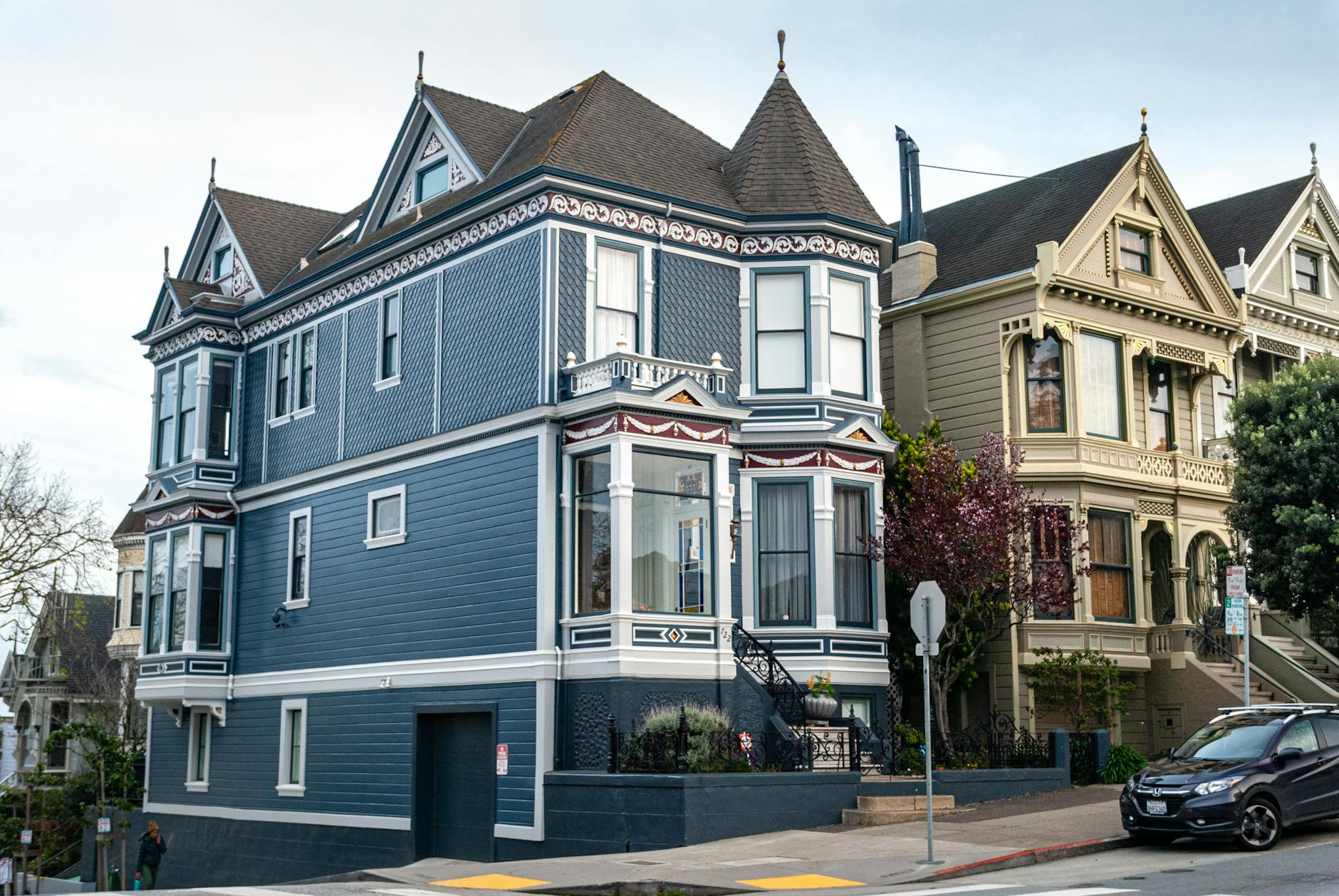
So many homes here have history. They have strong architectural personalities—bay windows, ornate detailing, sometimes narrow, long floor plans.
Working with these spaces is a dance. It’s about honoring the original “bones” while exploring how the energy might flow for today.
Those famous bay windows are fantastic. They pull in light and offer a broader perspective from inside. But they can also create oddly shaped rooms that invite creative furniture placement.
The long, railroad-style apartments invite special attention to keep energy from feeling like it’s moving in a straight, narrow tunnel.
The Element of Fog
The fog is more than weather. It’s a sensory experience that changes the quality of light and sound.
It can make a space feel cozy and introspective or isolated and damp.
In neighborhoods often shrouded in mist, the inside of the home becomes even more important. Creating points of warm, bright light can be a practical way to lift the energy.
It balances the cool, moist “Water” element that literally sits at the door.
Side-by-Side Observations
Let’s look at how a few common considerations might play out differently in each place.
The Front Door
In Singapore: Often opens to a shared, indoor corridor. The focus is on creating a distinct, positive threshold in a neutral space. A small mat, a potted plant, or a gentle light can mark the transition.
In San Francisco: Often opens directly to a street or stairway. The focus might be on stability (a solid path to the door) and shelter from the elements (a good overhang). The relationship with the sloping street is immediate.
Natural Light
In Singapore: The goal is often to maximize light while diffusing the intense tropical glare. Sheer curtains, light-reflecting surfaces, and strategic shading are key to creating a bright but soft atmosphere.
In San Francisco: The goal is often to capture every possible ray. Clearing windowsills, using mirrors to bounce light into deep rooms, and choosing warm artificial lighting for foggy days are common practices.
Indoor-Outdoor Flow
In Singapore: This is often about managing the boundary. Keeping bugs out while letting air in. Large sliding doors to a balcony are common, making that transition zone a crucial part of living space.
In San Francisco: This can be about embracing a view or creating a sheltered patio. A deck off the back becomes a sun trap. The connection is often more visual—framing a beautiful outlook from a window.
It’s All About Adaptation
What these comparisons show is that Feng Shui isn’t a one-size-fits-all rulebook from a distant place.
It’s a living practice of observation. It starts by asking: What is my specific environment doing?
In Singapore, you might respond to heat and density with airflow and living greenery.
In San Francisco, you might respond to hills and fog with stability and captured sunlight.
The core idea is the same: to explore creating a home that feels in harmony with its surroundings. But the methods adapt to the local conversation between land, climate, and culture.
Bringing This Home to Your Space
You don’t have to live in either city to use this idea.
Think about your own regional context. What is the dominant feature of your landscape? Is it flat plains? Dense forest? A windy coastline?
What is your most constant weather pattern? Blazing sun? Persistent rain? Cold winters?
Start there. That’s your foundation.
Observe how these things affect your home. Does the afternoon sun make one room feel too warm? Does a prevailing wind whistle through a gap?
Addressing these things is the first and most powerful step. It’s practical Feng Shui. You’re exploring how to align your space with the reality outside your walls.
Maybe you add a water feature not because a book says to, but because your high-desert air is very dry and the sound of water feels refreshing.
Maybe you use heavier curtains not for secrecy, but because your street is brightly lit all night and you’d like a deeper dark to sleep.
Your home is yours. It’s a shelter shaped by the world it sits in. By noticing that relationship—between the regional outside and your personal inside—you can make small adjustments that help the space feel more like it truly belongs.
More like you.
Featured Photo by ALEXANDER IGREVSKY on Pexels.
Related Reading
- Beyond the Front Door: Land, Street, and Surroundings
- Landform Basics: What Traditional Form School Observes
- Building on a Slope: Split-Level and Hillside Homes


