
I once watched a toddler completely ignore a room full of new, brightly colored toys. Instead, he spent a happy hour climbing in and out of a large cardboard box. It was a quiet, simple reminder of a beautiful truth.
A child’s world is built from imagination, not just from things. Their rooms are not static displays to be perfected. They are living, breathing workshops for growth, discovery, and play.
Creating a space that supports this journey is less about decoration and more about observation. It’s about crafting a container that can expand and change, just as they do, season after season.
The Energy of Growth
In Feng Shui, there is a concept of Chi, or life-force energy. It is the invisible current that flows through our homes and our lives. The Chi of a child is naturally active, curious, and full of momentum.
Our role isn’t to contain or control this vibrant energy. It is simply to provide a supportive environment where it can flow freely and find balance. We can think of this in terms of Yin and Yang.
Yang is the active, bright, outward energy of daytime play, laughter, and learning. Yin is the quiet, soft, inward energy of rest, dreams, and feeling safe. A child’s room needs space for both to feel whole.
The Nursery: A Gentle Beginning
A newborn’s world is very small and sensory. Their primary need is to feel safe, warm, and connected. The energy of a nursery, therefore, tends to be more Yin.
Think of it as creating a soft nest. The focus is on comfort, calm, and gentle transitions between waking and sleeping. This is a space for quiet connection.
A Feeling of Security
When placing a crib, many people find that a sense of security comes from being able to see the entrance to the room. This is sometimes called the commanding position.
It’s not a rigid rule, but an observation of human nature. We often feel more at ease when we have a clear view of our surroundings. For a baby, this can translate to a more settled feeling.
A solid wall behind the head of the crib is also associated with a feeling of support and stability. It’s a gentle anchor in their small world.
Softness and Simplicity
The nursery is a place for muted colors, soft textures, and natural materials. Think of gentle blues, soft pinks, warm creams, or earthy greens. These colors are restful for the eyes.
Lighting can also be soft and layered. A dimmer switch is a wonderful tool, allowing you to adjust the light from bright and playful to low and sleepy. A small, warm nightlight can offer comfort in the dark.
Keeping the space simple and uncluttered can also contribute to a calm atmosphere. A baby doesn’t need much stimulation—your presence is the most interesting thing in their world.
The Toddler Years: A World of Discovery
As a child begins to walk and explore, the energy of their room shifts. It becomes more Yang. The space transforms from a quiet nest into a laboratory for learning about the world.
This is the age of movement, curiosity, and independence. The room’s main job is to provide a safe and engaging landscape for this incredible phase of growth.
Making Space for Movement
The single most valuable thing in a toddler’s room is often empty floor space. This is their canvas for building, rolling, dancing, and imagining.
Consider furniture that is low to the ground and storage that is easily accessible. Open shelves with a few baskets allow a child to see their toys and, just as importantly, to help put them away.
This isn’t just about tidiness. It’s about empowerment. When a child can reach their own books and blocks, it sends a message that this is their space and they are capable within it.
A Sensory Landscape
Toddlers learn with their whole bodies. Introducing a variety of textures can make their room a richer place for discovery.
- A soft, shaggy rug for lying on.
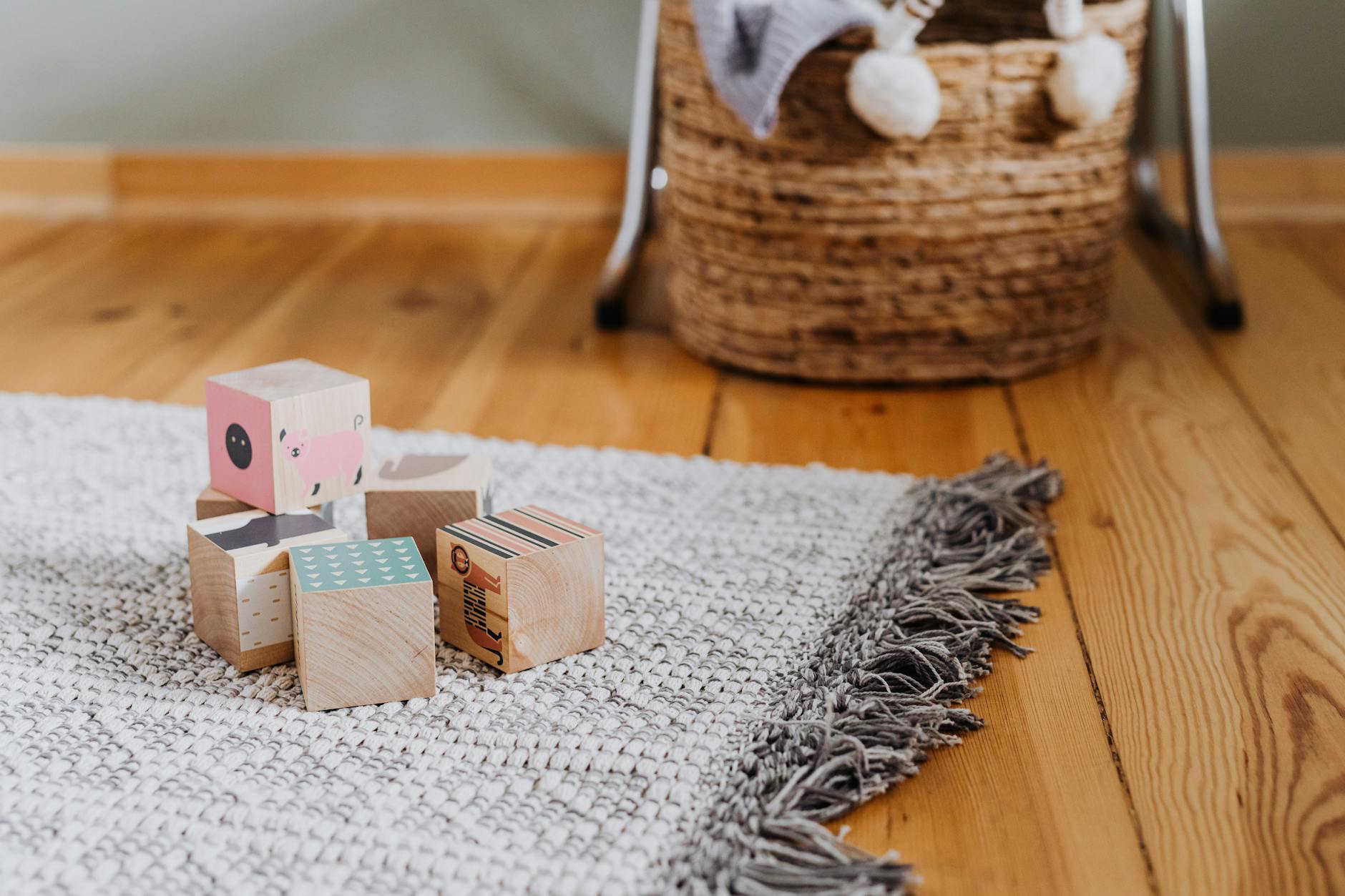
- Smooth, cool wooden blocks for stacking.
- Baskets made of natural fibers like wicker or cotton.
- Soft blankets and pillows for building cozy forts.
In Feng Shui, different materials are connected to the Five Elements. Wood is associated with growth, and natural fibers with a connection to the Earth. You don’t need to know the system to feel the effect. Natural materials often just feel grounding and pleasant to be around.
The School-Age Child: Finding Balance
When a child starts school, their room takes on even more responsibility. It often becomes a place that can support focused learning, creative play, socializing with friends, and private rest.
Creating gentle zones can be a helpful approach here. This helps a child’s mind and body understand the purpose of each part of their room, allowing for smoother transitions between different activities.
Creating Zones of Intention
You don’t need physical walls to create zones. A simple rug, a change in lighting, or the placement of furniture can signal a shift in energy.
- A Study Zone: A dedicated desk or small table for homework and creative projects. This is a more focused, organized space.
- A Play Zone: An open area on the floor, perhaps with storage for games and art supplies. This is a space for expansive, imaginative energy.
- A Rest Zone: The bed, perhaps with a small reading nook nearby. This is the calm, Yin part of the room, meant for winding down.
The Desk and the Window
The placement of a desk is a common question. Some people find that facing a solid wall helps with concentration, minimizing distractions from the outside world.
Others feel that facing a wall can be limiting or uninspiring. They prefer a desk that faces out into the room or towards a window for a sense of openness and connection to nature.
There is no single “right” answer. Observing your child can often provide valuable insights. Do they seem easily distracted? Or do they seem to need more inspiration? Their behavior will often show you what they need.
Letting Go and Making Room
As children grow, they accumulate things. Toys, books, clothes, and art projects mark the passage of time. A room that is too full can feel heavy and stagnant.
The flow of energy in a space often seems to benefit from having room to move. This applies to physical objects as well as to Chi. Gently clearing out what is no longer needed makes space for new growth and new interests.
This doesn’t have to be a sad process. It can be a beautiful ritual of honoring the past while embracing the future. Involving your child can make it a lesson in gratitude and generosity.
You might say, “You loved this puzzle so much when you were smaller. I wonder if it’s ready to make another child happy now?” This frames letting go not as a loss, but as a gift.
The Power of Personal Expression
Ultimately, a child’s room is their own personal space. It is the one place in the world that truly belongs to them. Allowing them to have a voice in how it looks and feels is a profound act of respect.
Displaying their artwork is a simple way to do this. It tells them that their creations are valued and that their perspective matters. A simple corkboard or a few strings with clips can become a rotating gallery of their imagination.
As they get older, letting them choose a paint color or a new duvet cover gives them a sense of ownership. Their personal energy begins to shape their environment, which is a foundational experience for creating a life that feels authentic and true.
Observing Your Child’s Flow
If you feel unsure where to begin, simple, quiet observation can be a wonderfully insightful tool. Put aside any articles or rules for an afternoon and just watch.
Where does your child naturally gravitate to play? Is it in a bright, sunny spot or a cozy, enclosed corner? Where do they go when they need to be quiet and calm?
Their innate wisdom can often offer clues about what the room might need. You might notice they always try to build forts behind the armchair, suggesting they crave a small, den-like space. Or you might see they do all their drawing on the floor, even with a desk available.
The space can then be adjusted to support their natural flow, rather than trying to force them into a preconceived layout. It is a gentle dance of awareness and response.
Your Home, Your Family’s Story
There is no perfect child’s room, just as there is no perfect child. These spaces are meant to be lived in. They will be messy, chaotic, and constantly changing.
The most harmonious environments are not the ones that follow every rule. They are the ones that are filled with love, acceptance, and the freedom to grow.
Your child’s room is a single, beautiful chapter in the story of your home. Let it be joyful, let it be creative, and above all, let it evolve right along with the wonderful person living in it.
Featured Photo by Curtis Adams on Pexels.


