
There’s a certain quietness to a cul-de-sac. The road ends, the traffic stops, and a unique kind of stillness settles in. For many, this is the picture of a peaceful suburban dream—a safe haven for children to play and for neighbors to gather.
These circular streets and dead ends create a distinct environment, different from a home on a long, straight road that connects one place to another. They have their own rhythm, their own feeling.
In Feng Shui, the focus is often on the flow of energy, or Qi. We look at how our environment supports us, and the layout of our streets is a big part of that. So, let’s gently explore the feeling of living on a cul-de-sac through this lens.
The Flow of Energy in Feng Shui
To understand the perspective on cul-de-sacs, it helps to first understand a core idea in Feng Shui: Qi (pronounced “chee”). Think of Qi as the life force or energy that is in and around everything.
It’s often compared to a gentle, meandering stream of water or a soft breeze. It flows through landscapes, cities, and our homes. When this energy can move freely and smoothly, a space tends to feel balanced and vibrant.
Streets and roads are seen as the primary pathways for Qi to travel through a neighborhood. They are like rivers, carrying energy from one area to another, nourishing the homes along the way.
A Traditional View of the Cul-de-Sac
From a classical Feng Shui perspective, the ideal flow of Qi is slow, steady, and continuous. It moves in, circulates gently, and moves back out again, ensuring a constant refreshment of energy.
A through-street allows for this kind of easy movement. The energy comes from one direction and continues on its way. A cul-de-sac, by its very design, changes this dynamic.
The energy flows into the street, but it has nowhere to go. It reaches the end and can begin to pool or circle. Imagine a flowing river that ends in a quiet pond. The water is still there, but it isn’t moving as much.
Because of this, some traditional interpretations associate cul-de-sacs with stagnant or slow-moving energy. The idea is that the lack of a clear exit might contribute to the energy feeling heavy or sluggish over time.
Beyond Theory: What We Actually Experience
Feng Shui concepts are interesting, but they are most useful when they connect with our real, lived experiences. Does the idea of “pooling energy” match how it actually feels to live on a cul-de-sac? For many people, it does, but in ways that can be both positive and challenging.
The Gift of Quiet and Safety
The most obvious benefit of a cul-de-sac is the lack of through traffic. This creates a bubble of peace and quiet. The “pooling” energy can feel like a deep sense of calm and security.
This is a place where you can hear the birds in the morning and the crickets at night. For families with young children or anyone seeking refuge from a noisy world, this feeling of a protected sanctuary is invaluable.
A Sense of Community
The layout of a cul-de-sac often encourages a close-knit community. With only a handful of homes sharing the space, neighbors tend to know each other. The street itself can become an extension of everyone’s front yard.
This shared space can foster strong bonds and a feeling of belonging. The slow, settled energy might contribute to a sense of stability, which some people find supportive for long-lasting relationships with neighbors.
The Feeling of Being ‘Stuck’
On the other hand, for some people, that same settled energy can eventually feel less like a sanctuary and more like stagnation. The lack of movement and newness can sometimes mirror a feeling of being stuck in life.
If opportunities seem to pass you by, or if you feel a lack of forward momentum, the physical environment of being at the “end of the road” might reflect that feeling. It’s not causing it, but it can be a symbolic echo of an internal state.
Not All Cul-de-Sacs Are Created Equal
It’s important to remember that a cul-de-sac is not just one thing. The specific layout, landscaping, and position of your home all contribute to its unique energetic signature. Generalizations rarely tell the whole story.
The Shape and Size
A wide, spacious cul-de-sac with a beautiful green island in the center feels very different from a narrow, paved dead end with cars parked tightly together. More space allows the energy to circulate more freely before it settles.
Abundant trees, healthy gardens, and well-maintained homes all contribute to a feeling of vitality. A neglected or cramped space will naturally feel heavier.
Your Home’s Position
Where your house sits on the cul-de-sac also matters. Each position receives energy in a slightly different way.
- At the very end: A home at the direct bottom of the cul-de-sac, facing the entrance, receives the most direct flow of incoming energy. This can feel a bit like being at the bottom of a T-junction, where the energy rushes toward the front door. For some, this can feel overwhelming or intense.
- On the curve: Homes situated along the gentle curve of the cul-de-sac receive the energy at a softer, more oblique angle. This is often considered a more balanced and gentle position.
- Near the entrance: A house near the mouth of the cul-de-sac experiences more of the flow from the main street. It might feel less “tucked away” than the homes deeper inside.
The Overall Neighborhood Vibe
Consider the energy of the larger neighborhood. Is your cul-de-sac part of a lively, active community with parks, schools, and shops nearby? Or is it in a very remote, isolated area?
The vitality of the surrounding area can often contribute to the feeling of your street.
Gentle Ways to Refresh the Energy
If you live on a cul-de-sac and feel that the energy is a bit slow for your liking, there are many simple, gentle things you can do. The goal isn’t to “fix” a problem, but rather to invite a little more flow and vitality into your space.
Your Front Door as a Welcome Mat
Your front door is the primary way energy enters your home. You might consider making it as welcoming as possible. A fresh coat of paint, a clean and clear entryway, and a beautiful wreath can all help.
You might consider ensuring the path to your door is unobstructed. Many people find that a clear path can help create a more inviting feeling for energy to flow towards your home.
Landscaping for Gentle Movement
Your front yard is a wonderful place to encourage flow. Instead of a straight path to the door, consider a gently curving walkway. This encourages energy to meander and slow down gracefully.
Planting flowers and shrubs of varying heights creates visual interest and movement. Flowers that attract birds, bees, and butterflies also bring their own beautiful, living energy to your doorstep.
Introducing Subtle Motion
Adding elements that move with the breeze can help to gently stir the energy around your home. This doesn’t need to be dramatic.
Consider these simple additions:
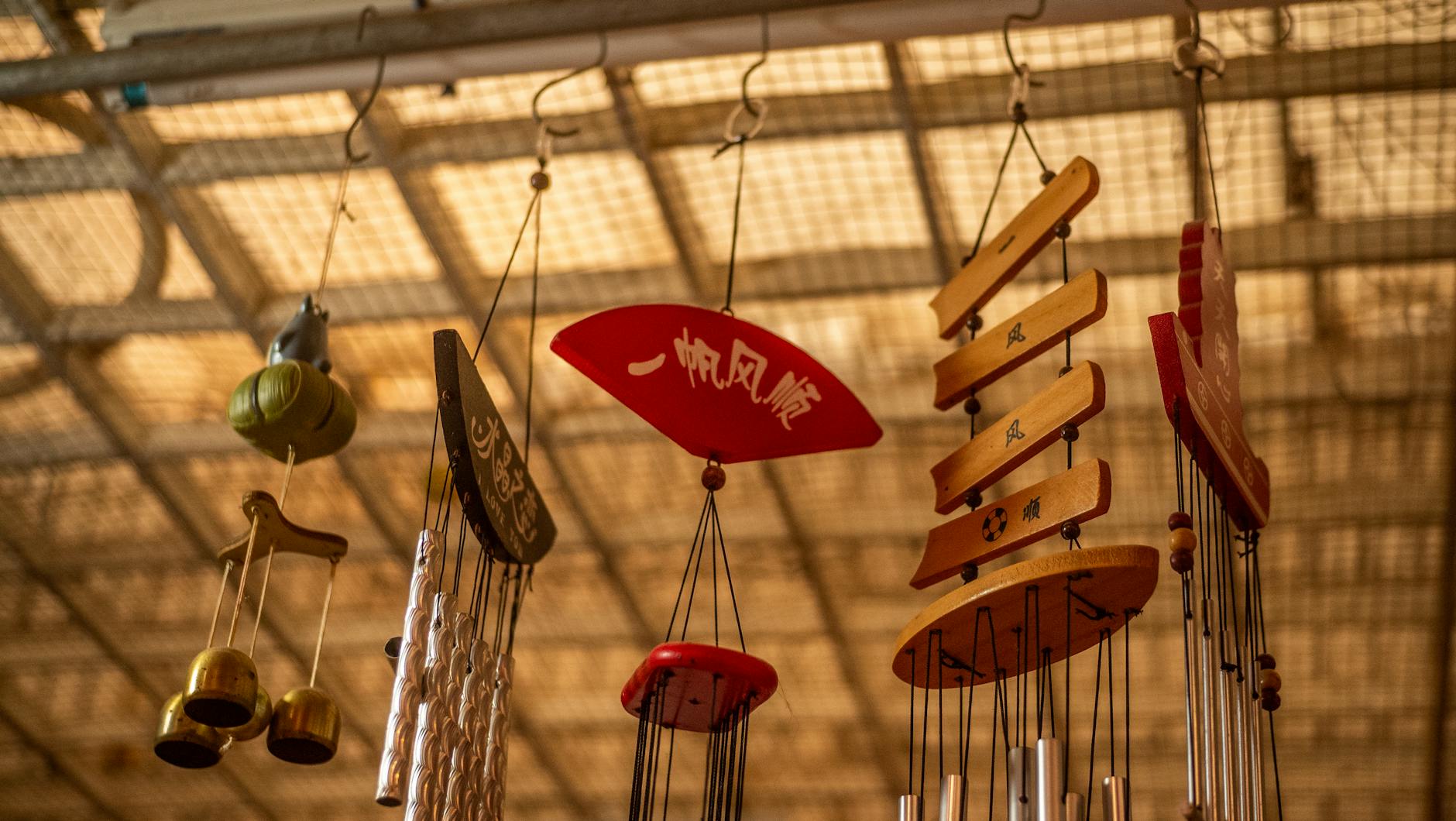
- A tasteful wind chime with a pleasant, melodic sound.
- A beautiful flag or a decorative garden spinner.
- A small, quiet water feature, like a bubbling fountain. The sound and sight of moving water is a classic way to stimulate Qi.
The Power of Light
Light is a form of energy. A well-lit home feels more vibrant and alive. You might want to ensure your porch light is working, and perhaps consider adding low-voltage or solar lighting along your front path.
Good lighting not only enhances safety and beauty but also symbolically brightens the energy around your home, making it feel more active and inviting, especially after dark.
Your Personal Connection is Key
After all the theories and observations, the most important question is simple: How do you feel in your home?
Feng Shui is a tool for awareness, not a set of rigid rules to be afraid of. If you live on a cul-de-sac and feel happy, secure, and supported, then your home is a wonderful place for you. Your positive feelings and intentions are the most powerful influence of all.
If you feel that your home is a peaceful sanctuary, then that is exactly what it is. If, however, you read this and it resonates with a feeling of stagnation you’ve been having, then perhaps these gentle suggestions can serve as an invitation to refresh the energy in a way that feels good to you.
A Final, Gentle Thought
The places we choose to live are deeply personal. A cul-de-sac can be a quiet retreat, a community hub, or a place that feels a little too still. None of these are inherently right or wrong—they are just different kinds of energy.
Feng Shui offers a lens to view these energies, a language to describe the feelings that our homes evoke. It empowers us to notice the connection between our inner world and our outer environment.
Ultimately, your home is yours. Trust your intuition. Pay attention to how your space makes you feel, and know that you always have the ability to make small, thoughtful changes that help it become an even more supportive and nurturing place to be.
Featured Photo by David McBee on Pexels.


