
Three Outdoor Spaces: Balcony, Patio, Deck
There’s a quiet difference between the feel of a solid stone patio underfoot and the slight give of a wooden deck.
Or between the view from a high balcony and the settled-in feeling of a garden-level space.
These outdoor areas are extensions of our homes. They’re places for a slow cup of coffee, a chat with a friend, or just watching the sky change.
And each one—balcony, patio, deck—has its own unique relationship with the world around it.
A Space Just Outside Your Door
In Feng Shui, we often talk about the flow of energy, or qi.
It’s a concept about movement, air, and feeling. It’s the difference between a room that feels stuffy and one that feels fresh.
Our outdoor spaces are primary channels for this. They are the transition zones between the private, contained world of our home and the vast, public world outside.
How we relate to these spaces can subtly shape how we feel inside.
This isn’t about rules for where to put a chair. It’s about noticing what each space offers and finding what makes it feel good to you.
The Balcony: An Observation Post
A balcony is a platform that projects from a wall.
It is, by its very structure, an act of reaching out. It offers a vantage point.
From a balcony, you observe. You see the street below, the horizon in the distance, the weather moving in.
In Feng Shui, balconies are often associated with the Wood element. Think of the upward growth of a tree, or the expansive view from its branches.
They connect to vision, planning, and new possibilities. They are spaces that can encourage looking forward.
Noticing Your Balcony’s Feel
Because a balcony is elevated and exposed, its energy can feel lively and open, but sometimes scattered.
Some people find that a little greenery helps ground the space. A potted plant or two can create a sense of life and connection to nature.
You might pay attention to the railings. Do they feel secure and containing, or do they feel like a barrier? The view through them matters.
A solid railing can feel protective but might block the view. An open, glass, or wrought-iron railing maintains the connection to the vista.
It’s a personal balance between feeling safe and feeling free.
Wind can be a factor up high.
If it often feels too breezy or chaotic, a wind chime isn’t just a nice sound. Its movement can help you see the wind’s path, making it feel less random.
Or a small, sturdy screen with a climbing plant can soften the flow of air.
The key with a balcony is honoring its nature as a lookout. It’s okay if it’s not a place for sprawling gatherings.
It might be your perfect spot for a single chair and a morning moment of perspective.
The Patio: A Grounded Foundation
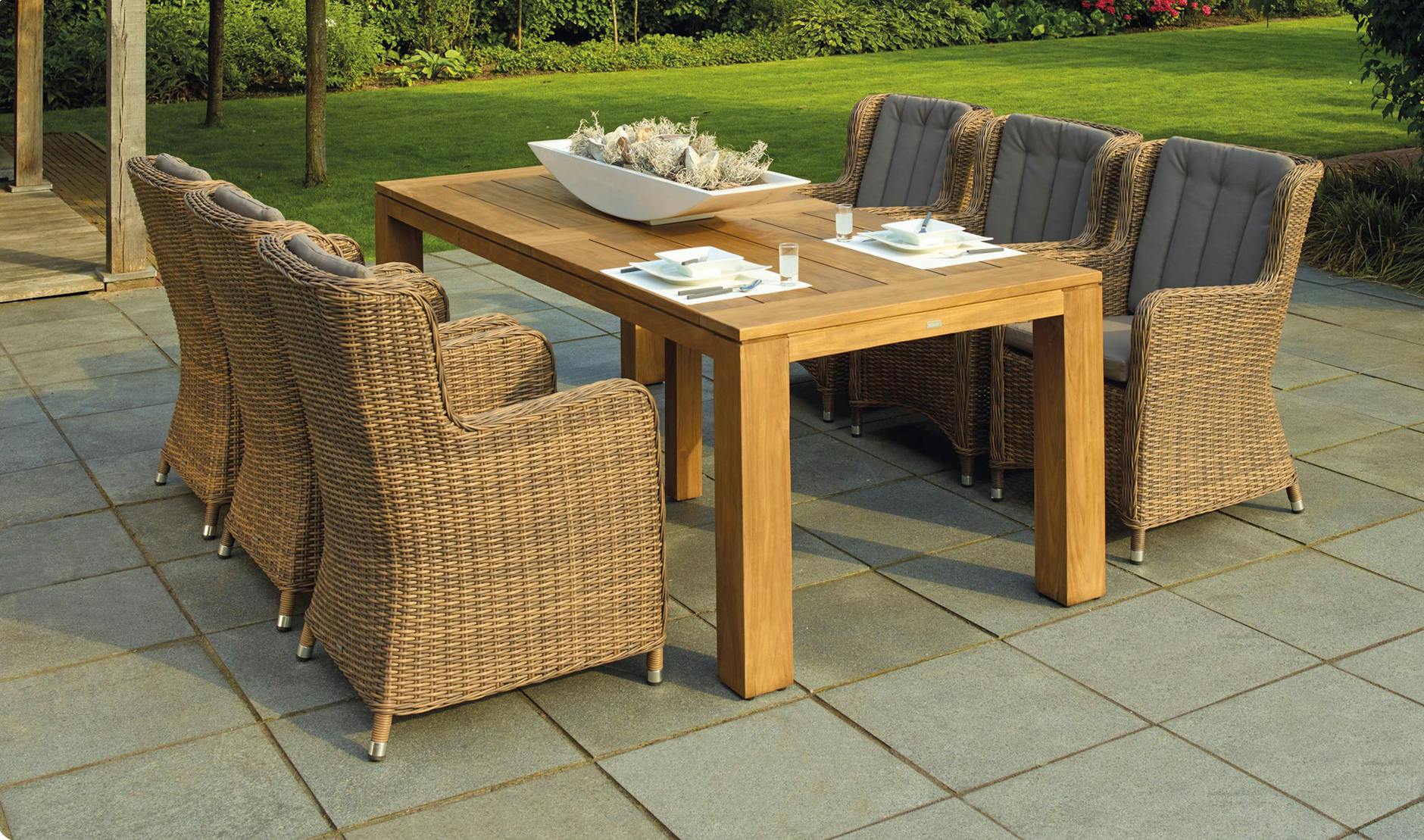
A patio is typically a paved area on the ground.
It sits directly on the earth. It feels stable, permanent, and rooted. You step onto it and feel connected to the ground.
In Feng Shui, this connects strongly with the Earth element. Earth is about stability, nourishment, and being centered.
A patio often becomes the heart of backyard life—a place for a solid table, shared meals, and lingering conversations as dusk falls.
Noticing Your Patio’s Feel
The material of your patio tells a story. Flagstone feels ancient and cool underfoot. Brick feels warm and traditional. Concrete can be a blank canvas.
Each has a different texture and energy.
Because it’s grounded, a patio can handle more weight and substance. Larger planters, heavier furniture, a solid fire pit—these can feel right at home here.
They add to the feeling of being settled.
You might look at the edges where your patio meets the lawn or garden.
Is the transition abrupt, with a sharp concrete line? Or is it soft, with plants spilling over the border?
A gentle, blurred edge can make the patio feel more integrated with the garden, as if it’s naturally growing from it.
This can help energy, or simply the feeling of movement, flow more smoothly between the built and the grown.
Patios can be wonderful for anchoring.
If your mind is busy, spending time on a solid patio can have a quiet, calming effect. It’s the feeling of having both feet on the ground.
The Deck: A Bridge of Connection
A deck is a flat, elevated platform, usually made of wood or composite materials.
It is neither firmly on the ground like a patio, nor projecting from a wall like a balcony. It’s often a transitional structure, a bridge between the house and the yard.
In Feng Shui, its wooden nature connects it to the Wood element, like a balcony. But its function as a connector and social space adds another layer.
It’s a space for gathering, for linking indoor comfort with outdoor freshness.
Noticing Your Deck’s Feel
The material is central to a deck’s character. Natural wood has warmth and grain. It ages and changes.
Composite materials are consistent and low-maintenance. Each choice has a different feel underfoot and to the eye.
Because it’s elevated, even if only by a foot, a deck has a slight sense of separation from the ground.
This can make it feel like a dedicated stage for activity—perfect for social energy.
You might pay attention to the space beneath the deck.
Is it a dark, closed-off area, or is it open and accessible? This under-deck space can affect how the deck itself feels.
If it’s dark and cramped, it might feel energetically “unfinished.” Some people use lattice with climbing plants to soften the edge and allow for air flow.
This acknowledges the whole structure, top to bottom.
Railings on a deck serve a similar function to balcony railings—safety and definition—but often in a more social context.
They can be adorned with planter boxes, string lights, or nothing at all, depending on whether you want to emphasize the view or create a cozier, more defined room outdoors.
Finding What Works for Your Space
You might have one, two, or all three of these spaces. They might be large or very small.
The ideas here are starting points for observation, not a checklist.
For Balconies
You might embrace the view. Keep it simple. A chair, a small table, one resilient plant.
Notice the light and wind. You could make choices that work with them, not against them. It’s your personal perch on the world.
For Patios
You might celebrate the solidity. Choose furniture that feels substantial.
Connect it to the earth with plantings at its edges. It can become a place where people naturally want to sit and stay awhile.
For Decks
You might honor its role as a connector. Some find it helps if the path from the house onto the deck feels welcoming and clear.
You could think about flow—can people move around a conversation area easily? It’s your home’s outdoor living room.
A Gentle Invitation to Notice
This week, you might spend five minutes in your outdoor space. Just stand or sit there.
Don’t change anything yet.
- What do you feel under your feet? Solid, unyielding stone? The gentle spring of wood?
- What is your sight line? Are you looking down, out, or across?
- Does the space feel open and expansive, or cozy and contained?
- What’s one small thing that would make you want to spend more time there? A cushion for comfort? A plant for life? Clearing away one unused item?
That last question is the most important one. Your answer is your guide.
Feng Shui at its heart is about being in conversation with your space.
It’s about noticing how a place makes you feel and making small, mindful adjustments that support your sense of well-being.
Your balcony, patio, or deck is a gift—a piece of the outdoors that belongs to your home. It doesn’t need to be perfect or follow any doctrine.
It just needs to feel like a place you’d like to step into, breathe deeply, and simply be.
Your home, and every part of it, is yours.
Featured Photo by Athena Sandrini on Pexels.


