
We seem to have a quiet understanding with the plants in our homes.
We notice when they look happy. We feel a small sense of care when we water them. Sometimes, we move them to a different spot where the light feels better.
That simple act—noticing how a living thing interacts with its space—is a good starting point for looking at plants through Feng Shui.
Plants, Life, and Space
In Feng Shui, live plants are often seen as wonderful carriers of vital energy.
They are life itself, growing and changing. They remind us of nature, which is something many homes are missing.
Think about the difference between a bare room and one with a healthy, green plant in the corner. The feeling changes. The air itself can seem different.
Two plants that come up often in these conversations are jade and lucky bamboo.
They are both easy to care for, which makes them great companions. And over time, people have layered them with gentle meaning.
The Jade Plant: A Symbol of Gentle Growth
Let’s talk about the jade plant first.
If you’ve seen one, you know its appeal. It has plump, rounded leaves that store water. They look a bit like smooth, green stones, which might be where the name comes from.
It’s a succulent, which means it’s resilient. It doesn’t need constant attention.
What the Jade Plant Can Represent
Because of its lush, rounded leaves, the jade plant is often linked with ideas of gentle abundance.
The leaves can resemble small coins or jade stones, which have long been valued. So, for some, it became a symbol for growth and renewal in a broad sense.
Some people like to place it near the entrance of their home or business. It’s not about forcing anything to happen.
It’s more like a quiet, living reminder of resilience and steady growth.
Caring for Your Jade Plant
The care it needs can reinforce this idea.
It tends to thrive with bright, indirect light and occasional watering. Overwatering is its main enemy.
In a way, caring for it teaches a little lesson. It asks for patience and observation, not constant effort. You learn to notice what it needs.
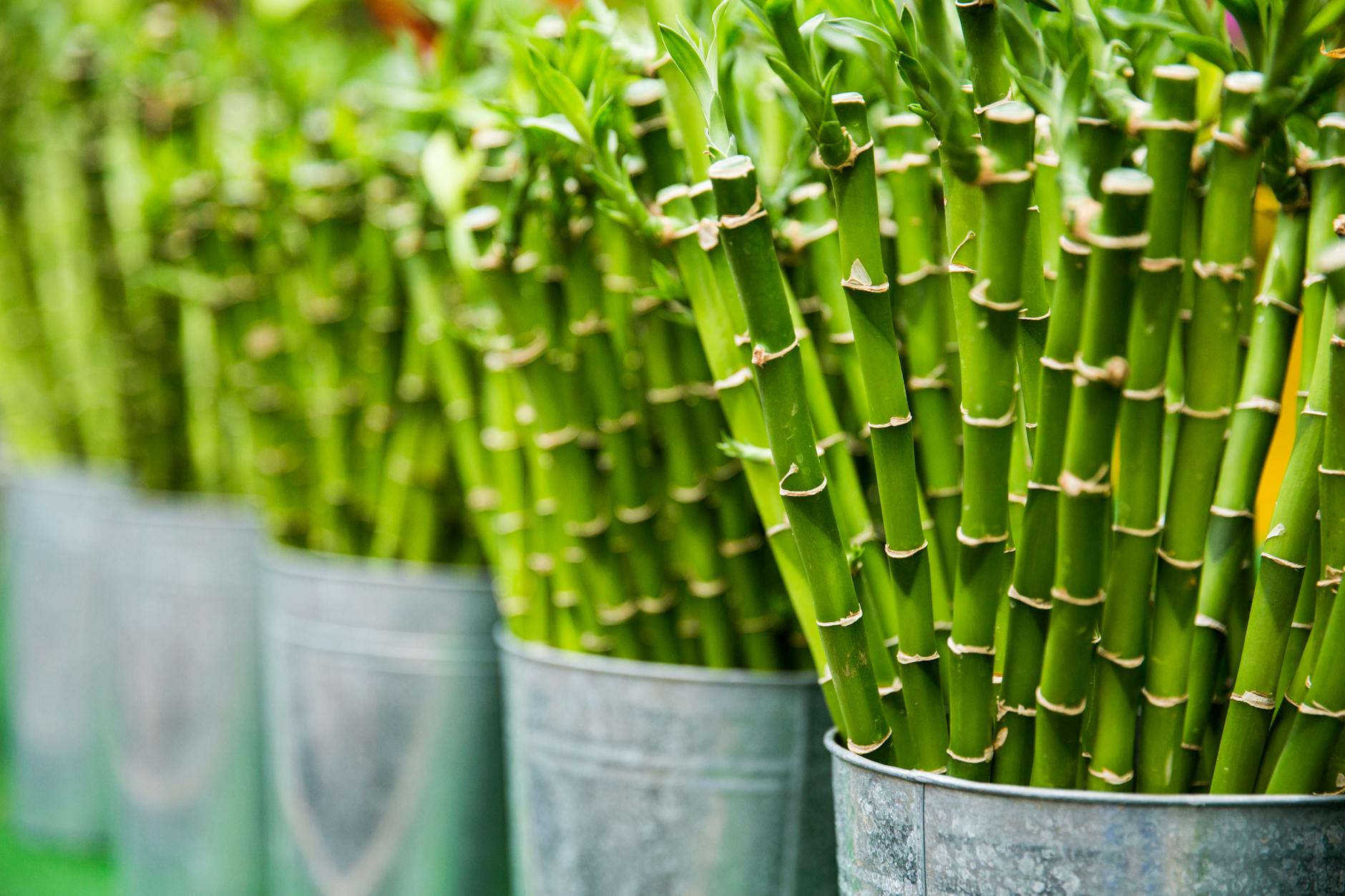
Lucky Bamboo: Not Really Bamboo
Now, let’s look at lucky bamboo.
First, a fun fact: it’s not bamboo at all. It’s a type of dracaena, a sturdy houseplant.
But its stalks resemble bamboo, and its ability to grow in just water made it incredibly popular.
The Meaning in the Stalks
Much of the meaning associated with lucky bamboo comes from the number of stalks in an arrangement.
Different numbers are sometimes said to connect to different areas of life. It’s a form of symbolism, like giving flowers for a specific occasion.
Here are a few common associations you might come across:
- Two Stalks: Often linked with love or partnership.
- Three Stalks: Sometimes connected to happiness.
- Five Stalks: A number associated with balance or general wellness.
- Eight Stalks: Linked with ideas of growth and forward movement.
- Nine Stalks: Sometimes seen as a symbol of good fortune.
These meanings aren’t rules. They are more like a quiet language of intention you can choose to use or not.
The Simplicity of Its Care
Lucky bamboo is famously easy to keep.
It can live happily in a vase of water with some pebbles for support. You might just refresh the water every week or two.
This simplicity is part of its charm. It brings a touch of green, growing life into spaces without much natural light, where other plants might struggle.
Placing Plants in Your Space
So, if you have a jade plant or some lucky bamboo, where might you put it?
Feng Shui offers maps of a space called Bagua maps. They can suggest areas linked to different life experiences.
But you don’t need a map to start. You can just observe.
Start With Observation
Look at a room. Are there corners that feel heavy, dark, or forgotten?
A plant with upward growth, like lucky bamboo, might help that space feel lighter. Its vertical lines can draw the eye upward.
Is there a spot in your home where you pay bills or think about your work?
A sturdy, green jade plant there could serve as a nice symbol of resilience and steady growth amid those tasks.
The “Where” is Personal
The best place is often where you will enjoy the plant most.
Where does the light in your home fall in a way that would make a plant happy? That’s a great first question.
Perhaps you’d like a green companion on your desk. Or maybe your entryway feels a bit bare and could use a welcome touch of life.
Start there. The symbolism can come later, or not at all.
Beyond Just Two Plants
While jade and bamboo are common, they are just two options.
Any healthy plant brings that good, living energy into your home. A trailing pothos on a shelf, a tall snake plant in a corner, or herbs on a kitchen windowsill all count.
The key is that the plant is alive and cared for.
A sick or dying plant doesn’t bring the same feeling. If a plant is struggling despite your care, it’s okay to let it go. It’s part of the cycle.
A Few Gentle Perspectives
It’s worth noting that not all Feng Shui perspectives are the same.
Some traditional schools tend to prefer plants with soft, rounded leaves over plants with sharp, spiky leaves. The idea is that soft shapes feel more gentle.
Others might focus more on the health of the plant than its specific type.
And some modern approaches celebrate all plants, seeing cacti and other spiky varieties as great protectors for certain spots.
The diversity of opinion is helpful. It means there is no single right answer.
It brings the practice back to you, to your observation, and to what feels good in your own space.
Your Home, Your Green Companions
At its heart, bringing plants into your home is about connection.
It connects you to the simple act of care. It connects your indoor space to the natural world outside.
A jade plant or lucky bamboo can be a starting point. They come with stories and meanings that many people have enjoyed for a long time.
You can choose to embrace those stories, or you can simply enjoy them as resilient, quiet pieces of life on your table.
Notice how a room changes when you add something green. See if you feel different sitting near it.
That feeling—that small shift—is the real point. The rest is just a gentle guide, offering ideas for you to explore at your own pace.
Your home is yours. However you choose to grow life within it is just right.
Featured Photo by Element5 Digital on Pexels.


