
For years, a certain box followed me from one apartment to the next. It was filled with old notebooks, half-finished projects, and souvenirs from trips I barely remembered. I never opened it, but I could never quite bring myself to get rid of it, either. It just sat there, a quiet weight in the corner of every closet.
We all have spaces like that. A drawer that won’t quite close. A pile of mail on the kitchen counter. A chair that has slowly become a home for clothes.
It’s easy to label these things as simple messiness or a lack of time. But sometimes, if we get quiet and listen, we might find that our clutter is trying to tell us something.
A Feng Shui Perspective on Flow
In Feng Shui, there is a concept called Qi (pronounced “chee”). It’s often described as life force energy, the invisible current that flows through everything, including our homes.
The idea is simple. When a space is open, clean, and organized, Qi can move freely. The room feels light, calm, and inviting. You can breathe a little deeper.
When a space is filled with too many things, this flow can feel stuck or stagnant. The energy becomes heavy. It’s not about good or bad luck; it’s about how a room makes you feel on a subtle, intuitive level.
Clutter, from this perspective, is more than just physical stuff. It can be seen as postponed decisions and stagnant energy taking up physical space in our homes.
The Language of Location: Where Clutter Gathers
Where we allow clutter to accumulate can often point to specific areas of our lives that might feel stuck. Think of it as a gentle map, offering clues instead of criticisms.
Clutter Near the Front Door
The entryway is the first thing you see when you come home and the last thing you see when you leave. In Feng Shui, it’s called the “Mouth of Qi,” where all the energy for your home enters.
Piles of shoes, bags, mail, and coats by the door can create a physical and energetic bottleneck. It can make coming home feel chaotic and leaving the house feel like an escape.
Sometimes, this clutter can reflect a hesitation to engage with the outside world. Or, it might suggest we feel so overwhelmed by outside demands that we drop everything the moment we get inside, creating a barrier between us and the world.
Clutter in the Kitchen
The kitchen is often considered the heart of the home. It’s where we nourish ourselves and our families. It’s a space associated with health and abundance.
When countertops are covered in appliances you never use, or the pantry is full of expired food, it can make the simple act of preparing a meal feel like a chore. It can drain the joy from cooking and eating.
This kind of clutter might point to how we feel about self-care and nourishment. Are we too busy to feed ourselves well? Are we holding onto old habits that no longer serve our health?
Clutter in the Bedroom
Your bedroom is often considered a sanctuary. It’s a place many dedicate entirely to rest, renewal, and intimacy. Its primary purpose can be to help you recharge.
When the bedroom becomes a storage unit, a home office, or a laundry folding station, its restful energy can become compromised. Piles of books, clothes on the floor, or work papers on the nightstand can create a sense of visual noise that keeps our minds active when they need to be still.
Clutter under the bed is particularly interesting. Some people feel that storing things here—especially emotionally charged items—can disturb sleep, as if you’re resting on top of unresolved issues.
Clutter in the Home Office
For many of us, a desk or home office is a space for focus, creativity, and career growth. It’s where we build our dreams and manage our responsibilities.
A desk buried under piles of paper, old projects, and disorganized supplies can mirror a feeling of being overwhelmed at work. It can make it difficult to think clearly, prioritize tasks, or feel a sense of forward momentum in your career.
This clutter might be a physical manifestation of procrastination or a lack of clarity about what to do next. Clearing the desk can sometimes feel like clearing your mind.
Clutter in the Closet
Our closets hold more than just clothes. They hold our identity—or rather, our many identities. The clothes for the job you used to have, the outfits for a body you no longer have, the formal wear for a lifestyle you’ve outgrown.
A closet packed so tightly you can’t see what’s inside can be a sign of holding onto the past. It can represent a disconnect between who you were, who you are now, and who you want to become.
Letting go of clothes that no longer fit your life can be a powerful way to make space for the person you are today.
The Story Behind the Stuff
Beyond location, the type of clutter itself tells a story. Looking at what your clutter is made of can offer another layer of insight.
- Inherited Items: These objects often come with a heavy sense of obligation or guilt. We keep them not because we love them, but because we loved the person who gave them to us. They can represent the weight of family history and expectations.
- “Just in Case” Items: This is the clutter of anxiety. Empty jars, old electronics, and extra cables we keep “just in case.” This can sometimes be linked to a fear of scarcity or an inability to trust that the future will provide what we need.
- Aspirational Clutter: These are the things we bought for the person we hoped to be. The expensive camera, the yoga mat still in its wrapper, the craft supplies for a hobby we never started. This clutter can be a source of guilt, a constant reminder of unmet goals.
- Sentimental Clutter: Perhaps the most difficult to part with. Old letters, children’s artwork, tickets from a first date. These items connect us to our most cherished memories, but too many can keep us living in the past instead of the present.
A Gentle Invitation to Begin
Reading this might feel overwhelming. The point is not to create a massive to-do list or to make you feel bad about your space. The goal is simply to awaken your curiosity.
You don’t have to declutter your entire house this weekend. That approach often leads to burnout and a bigger mess than when you started.
Instead, consider a small, gentle experiment.
Choose one tiny area. Not a whole room. Maybe just one shelf. Or the top of your nightstand. Or a single kitchen drawer.
Set a timer for just 10 minutes. See what you can clear in that time. You don’t have to throw anything away yet. You can simply sort things into boxes: keep, donate, or undecided.
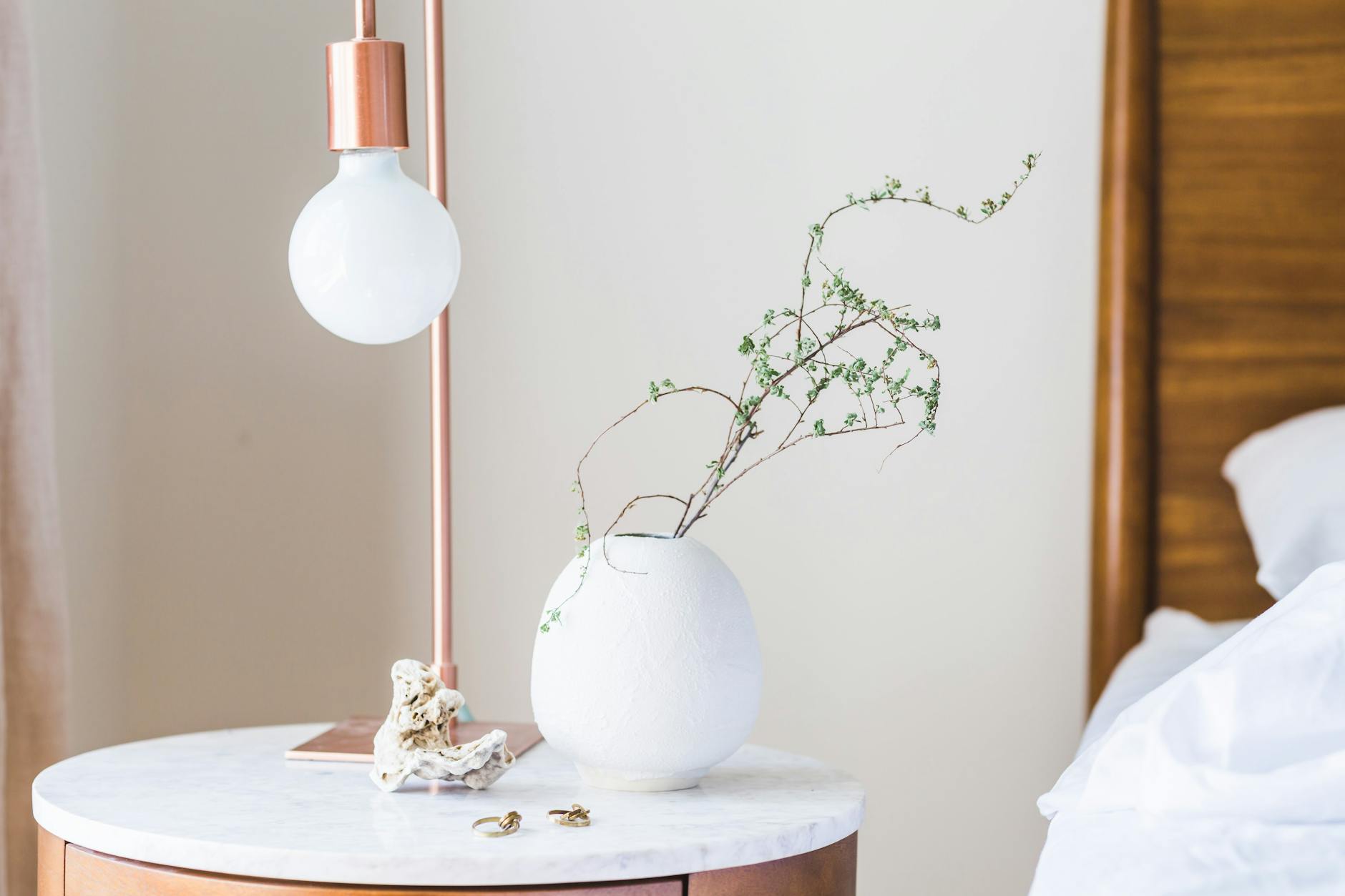
When the timer goes off, stop. Wipe down the newly cleared surface. Place one thing you love in the empty space—a small plant, a candle, a favorite photo.
Now, just notice. How does that one clear spot feel? Does it make you breathe a little easier? Does it bring a small moment of calm when you look at it?
That feeling is the goal. It’s not about having a perfect home. It’s about creating small pockets of peace that can support and nourish you.
Your Home Is Yours
There are no universal rules for what constitutes clutter. One person’s beloved collection is another person’s mess. A minimalist home might feel peaceful to one person and sterile to another.
Your home is your sanctuary. Many people find it helpful for it to reflect who they are and support the life they want to live.
Looking at your clutter is simply an opportunity to check in with yourself. It’s a chance to ask gentle questions, listen to the answers without judgment, and slowly, intentionally, create a space that truly feels like home.
Featured Photo by Darcy Lawrey on Pexels.