
Some buildings just feel right. You walk in and your shoulders relax. The light seems to fall in the perfect spots, and moving from one room to another feels effortless, almost like a gentle current is guiding you.
Then there are other places. The ones that feel a little stuck, a little heavy. You might not be able to put your finger on why, but the feeling is there. A sense of subtle resistance.
This difference is rarely an accident. It’s the result of thoughtful design. And for centuries, architects and designers have been using a quiet framework to help them create spaces that feel good. That framework is often Feng Shui.
They might not call it that. They may talk about “flow,” “human-centric design,” or “environmental psychology.” But the core principles are often the same.
More Than Just Moving Furniture
When many of us hear “Feng Shui,” we might picture specific rules about where to place a sofa or what color to paint a door. And while those details can be part of it, the practice is much deeper.
At its heart, Feng Shui is an ancient system of observation. It’s about noticing how our surroundings affect us. It’s a language for describing the way energy—in the form of light, air, and even our own movement—interacts with a space.
For a designer, this isn’t a mystical concept. It’s a practical tool for creating environments that support human well-being.
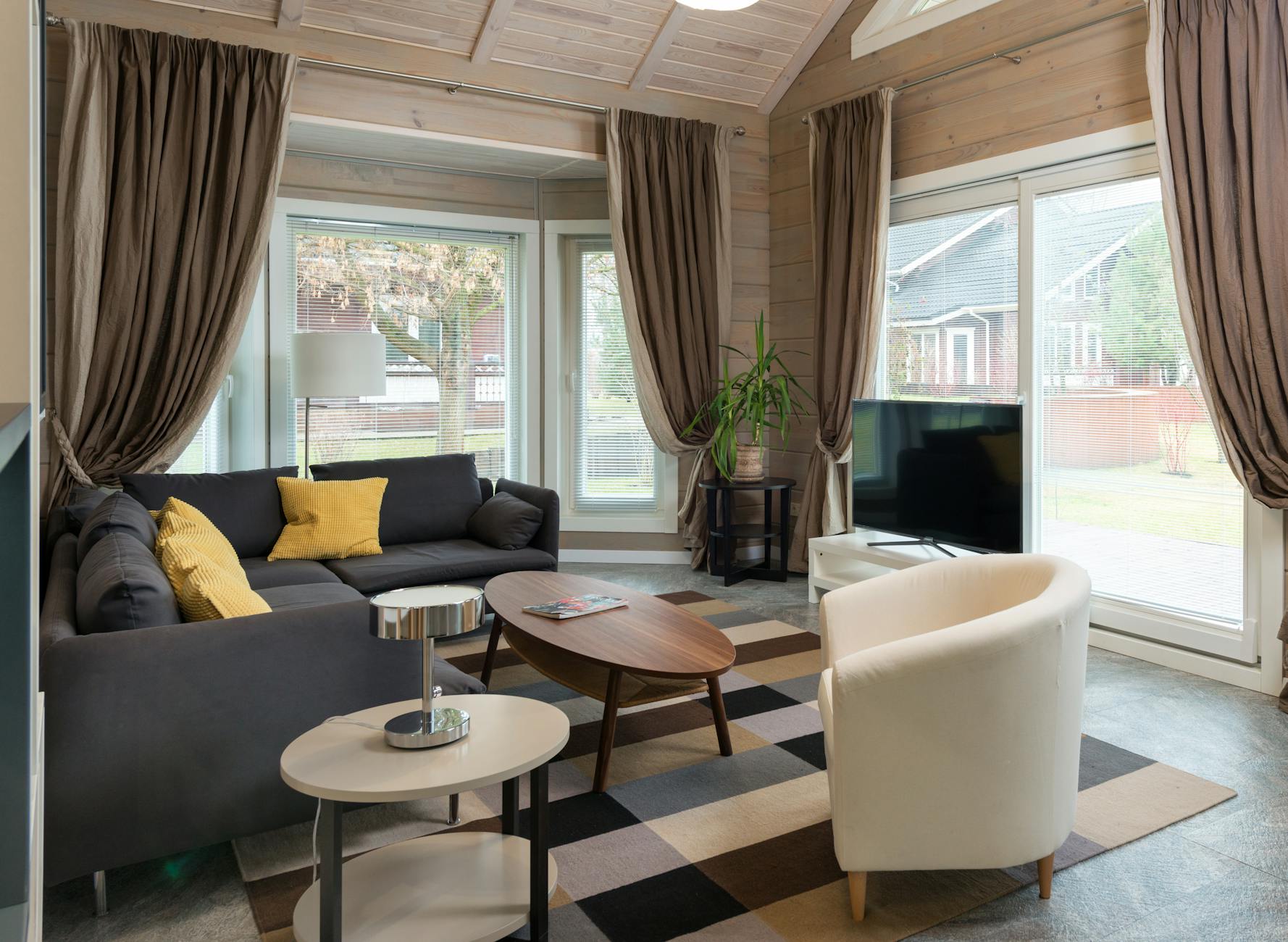
The Language of Flow and Function
Architects and designers are trained to think about how people will use a building. They consider pathways, sightlines, and the overall feeling of a room. Feng Shui offers a refined vocabulary for these very same considerations.
It provides a way to understand the invisible forces that make a space feel welcoming, secure, or inspiring.
The Commanding Position
One of the most fundamental ideas in Feng Shui is the “commanding position.” This refers to placing yourself in a room where you have a clear view of the door without being directly in line with it.
Think about where you naturally choose to sit in a coffee shop. Most people instinctively pick a spot where they can see the entrance. This isn’t about superstition; it’s about a deep-seated psychological need for security. It allows our nervous system to relax.
An architect uses this same principle when designing an office for a CEO or the layout of a master bedroom. They create a floor plan where the desk or the bed is positioned to feel safe and in command of the space. It’s good design because it honors a basic human instinct.
Understanding Qi (Energy Flow)
In Feng Shui, “Qi” (pronounced “chee”) is the life force or energy that flows through everything. In design terms, you can think of Qi as the way people, light, and air move through a building.
Architects call this “circulation.” They map out how someone will walk from the front door to the kitchen, or from the living room to the patio. They want this path to feel natural and unobstructed.
A long, narrow hallway can make Qi feel rushed or stagnant. A front door that opens directly onto a staircase can create a sense of unease. Designers intuitively understand this. They might widen a hallway, add a beautiful piece of art to slow the eye, or create a small foyer to act as a gentle buffer.
They are, in effect, managing the flow of Qi to create a more pleasant experience.
The Role of Yin and Yang
The concept of Yin and Yang is about balance. Yin represents quiet, dark, soft, and restorative energies. Yang represents active, bright, hard, and expressive energies.
Many find that a healthy space thrives with a balance of both. A home that leans heavily towards Yang—with bright lights, loud colors, and hard surfaces everywhere—might feel exhausting to some. Similarly, a home that is predominantly Yin—with perhaps too much darkness or clutter—could feel draining.
Designers use this principle constantly.
- Bedrooms: These are often considered Yin spaces. A designer might choose softer lighting, calming colors, and plush textures to encourage rest.
- Kitchens & Home Offices: These are more Yang. They benefit from bright task lighting, clear surfaces, and an atmosphere that supports activity and focus.
- Living Rooms: These often require a balance. They need bright areas for conversation (Yang) and cozy corners for reading (Yin).
A designer might not say, “This room needs more Yin.” Instead, they might say, “Let’s add a soft rug and some floor lamps to make this corner feel cozier.” The language is different, but the intention is the same.
The Five Elements in Design
Feng Shui also uses a system of five elements—Wood, Fire, Earth, Metal, and Water—to describe the qualities of a space. Each element is associated with certain colors, shapes, and materials.
This isn’t about literal interpretation. It’s a symbolic palette that designers can use to create a specific mood or feeling.
- Wood: Represents growth and vitality. It’s associated with tall, vertical shapes, columns, and the colors green and brown. A designer might use tall plants or striped wallpaper to add a sense of upward movement.
- Fire: Represents passion and energy. It’s linked to the color red, triangular shapes, and sources of light. A statement light fixture or a pop of bright color can add a dynamic, fiery quality.
- Earth: Represents stability and nourishment. It’s connected to square shapes, heavy furniture, and earthy tones like yellow and beige. A solid, square coffee table can make a room feel more grounded.
- Metal: Represents clarity and precision. It’s associated with circles, arches, and the colors white, gray, and metallics. A round mirror or metal accents can add a touch of crispness and focus.
- Water: Represents flow and wisdom. It’s linked to wavy, asymmetrical shapes, reflective surfaces, and the colors black and dark blue. A dark, flowing curtain or a piece of glass art can bring a calming, water-like quality.
A designer might look at a room and feel it’s too rigid. Using this framework, they might decide it needs the “Water” element. In practical terms, this means adding some flowing shapes or reflective surfaces to soften the space.
Why Keep It Quiet?
If these principles are so effective, why do so many professionals use them without the label? The simple answer is that the term “Feng Shui” can sometimes carry baggage.
For some clients, it might sound too esoteric or unscientific. A designer knows it’s often more effective to speak in the language of modern design.
Instead of saying, “We need to correct the sha qi from that sharp corner,” they might say, “Let’s place a tall plant here to soften this angle and make the room feel more welcoming.”
Instead of, “Your desk is in an inauspicious position,” they might say, “Let’s turn your desk so you can see the door. People tend to feel more focused and relaxed when they aren’t worried about someone walking up behind them.”
The focus is on the result: a space that feels better. The principles of Feng Shui are a means to that end, a reliable guide that has been refined over thousands of years.
A Bridge Between Ancient Wisdom and Modern Design
What’s remarkable is how well these ancient observations align with modern fields of study. Environmental psychology explores how our physical environment influences our thoughts, feelings, and behaviors.
Biophilic design is a modern architectural approach that seeks to connect building occupants more closely to nature. It emphasizes natural light, views of nature, and the use of natural materials—all concepts that have been central to Feng Shui for centuries.
Feng Shui isn’t a relic of the past. It’s a timeless understanding of the human-environment connection. It reminds us that the way we shape our homes and offices, in turn, shapes us.
How You Can Notice These Principles
You don’t need to be a designer to start noticing these ideas in your own life. This is simply about gentle awareness. Take a slow walk through your home and just observe.
Ask yourself a few quiet questions:
- Where does the sunlight fall in the morning? How does it make that spot feel?
- Is the path from your bedroom to the kitchen clear and easy, or do you have to navigate around things?
- When you sit on your sofa, how do you feel? Relaxed? Exposed? Cozy?
- Which room do you spend the most time in? What do you think draws you to that space?
There are no right or wrong answers. This is just an invitation to listen to the language of your home. The goal is not to judge, but simply to understand how your space is supporting you.
The principles that architects and designers use are available to all of us. They are rooted in common sense and a deep respect for the human experience.
At the end of the day, the most important design tool you have is your own feeling. Your home is yours, and its purpose is to be a sanctuary that reflects and supports you.
Featured Photo by Marcos Garcia Maldonado on Pexels.