
There’s a quiet presence to a full bookshelf. In a work space, it can feel solid and wise. But sometimes, it just feels heavy.
You might walk into a home office and feel a sense of possibility. Another room, with similar furniture, feels stuck. The difference often isn’t magic. It’s in what we keep and where we keep it.
Our shelves and cabinets hold more than just objects. They hold memories, ambitions, and unfinished projects. In Feng Shui, we see storage as a container for energy, not just stuff.
This is a look at how those containers shape the feel of a work space. There are no rules here, only observations. The goal is to see your shelves with new eyes.
The Weight of Things We Keep
Feng Shui often talks about chi, or life energy, liking to move. Imagine it like a gentle breeze through a room. A clear path lets it flow. A blocked path can make it feel stale.
Bookshelves and filing cabinets are not inherently bad. They are anchors. They can provide a sense of support and knowledge. The question is, what kind of anchor are they?
Is your shelving a foundation for clear thought? Or is it a weight on your focus? The answer is rarely obvious. It comes from how you feel when you sit down to work.
Some people notice a fogginess when facing a towering, overloaded bookcase. Others find comfort in being surrounded by their reference books. Your own reaction is your best guide.
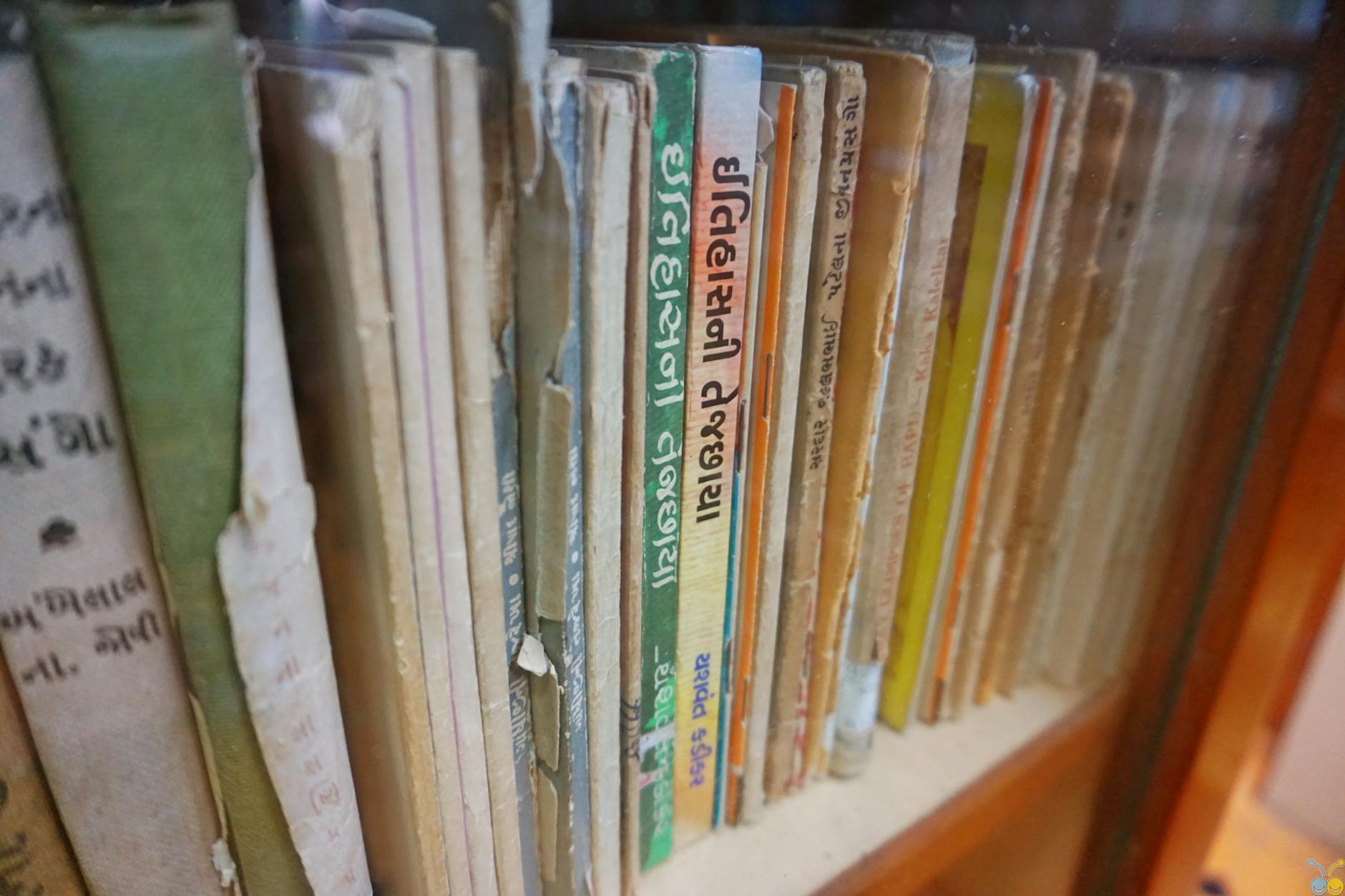
Books: Wisdom or Wallpaper?
Books are powerful symbols. They represent learning, ideas, and past journeys. In a work space, their presence is profound.
But not all books are equal. A cherished novel from your youth holds different energy than an outdated software manual you’ll never open again. Both take up space.
Think of your bookshelves as a curated collection. It’s about intention. Which books truly support the work you do now? Which ones are simply there out of habit?
This isn’t a call to purge your library. It’s an invitation to notice. Run your hand along the spines. Does a section feel light and useful? Does another feel dusty and forgotten?
That feeling of being forgotten is the key. In Feng Shui, some people observe that stagnant energy can collect around unused items. A more simple way to say it: old clutter can make a space feel tired.
The Practical Side of Shelving
Let’s talk about placement. Where your storage sits in the room can affect how the space feels.
Many approaches suggest avoiding tall, heavy shelving directly behind you while you work. The idea is it can feel subconsciously unnerving, like something looming.
Some people prefer to have their reference materials within sight, but not directly in their line of sight. A bookcase to the side or at a diagonal can feel supportive rather than dominant.
What about low storage, like credenzas or lateral files? Placed under a window or against a solid wall, they can feel grounding. They offer utility without the visual weight of a tall unit.
The space between shelves matters too. Crammed, overstuffed shelves can feel chaotic. Sparsely filled ones might feel barren. A balanced, organized look often feels best.
The Closed Door Dilemma
Now, consider closed storage. Filing cabinets, cupboards, and boxes with lids.
Closed storage is incredibly useful for hiding the necessary mess of work. Invoices, supplies, cables—these things don’t need to be on display. Giving them a dedicated home behind a door can calm a room instantly.
But a closed door also hides what’s inside. If that space is a chaotic jumble, the energy behind the door is still chaotic. It’s just out of sight.
The goal with closed storage is mindful containment. Knowing what’s in there can be helpful. Organize it in a way that makes sense to you. Then you can close the door with a clear mind.
Open shelving, on the other hand, displays your process. It’s honest. It works beautifully when what’s on display is intentional and cared for.
A Simple Practice: The Quarterly Shelf Glance
You don’t need to overhaul everything in a day. You might try this small habit instead.
Every season, take five minutes to look at one shelf or one drawer in your work space. Don’t judge it. Just observe.
Ask yourself three gentle questions.
- Does everything here belong in my work space now?
- Is there anything broken, empty, or obsolete?
- Does this area feel easy to use?
Your answers might lead to moving one thing. They might lead to clearing a whole shelf. Either action is interesting. It’s about movement and awareness.
Different Angles on the Work Space
Some Feng Shui schools use a map called the Bagua. It lays nine life areas over a floor plan. Your work space, or desk itself, has its own Bagua.
The back-left corner of your desk or room is often linked to knowledge and wisdom. It’s a natural spot some people consider for a small, neat bookshelf.
The front-right corner can relate to helpful people and travel. This might be a place for directories, contact files, or guidebooks.
This is just one perspective. It’s a lens, not a law. You might find that placing your favorite inspiring books in the area associated with your career feels more supportive to you.
Play with these ideas. See if arranging items with a little intention changes how the room feels.
The Energy of Empty Space
We focus so much on what to put on the shelves. We forget the power of the shelf itself.
Empty space on a shelf is not wasted space. It is potential. It is breath. It allows your eye to rest and your mind to wander.
When you clear a shelf, even partially, you create room for new ideas. You literally make space for something new to enter your work life.
You might try leaving one shelf entirely clear. Or place a single, beautiful object on it—a stone, a vase, nothing. See how that empty space makes you feel over a week.
Does it create a sense of calm? Does it make you anxious, like something is missing? Your reaction tells you everything.
Your Work Space is a Story
Your bookshelves and storage tell the story of your work. The chapters you’ve finished, the research you’re doing, the tools you use daily.
Is it a story you want to keep reading? Is it cluttered with old footnotes? Is the plot clear and moving forward?
You are the author of this space. You get to edit. You can revise a paragraph by clearing a drawer. You can introduce a new character by adding a plant next to your reference books.
Start small. Today, look at your work space storage not as a problem to fix, but as a landscape to observe. Notice what feels good. Notice what feels stuck.
Then make one tiny, gentle change. That is how you shape the energy of a room. Not with a single dramatic act, but with quiet, consistent awareness.
Your work space is yours. Let it hold what supports you. Let it release what no longer does. The goal is simply a space where you can sit down, breathe easily, and begin.
Featured Photo by Max Vakhtbovych on Pexels.


