
You know that feeling when a party just works.
It isn’t always about the food being perfect or the music being exactly right. It’s something quieter. A sense that people can move. That conversations start without effort. That the energy of the room feels open and easy, not stuck or forced.
For years, I called this luck. A good crowd. But then I began to notice the spaces where this happened, and the ones where it didn’t.
It’s More Than Furniture Arrangement
When we think of entertaining, we plan menus and playlists. We clean surfaces and set out glasses.
We rarely consider the path a guest takes from the front door to the living room. Or the bottleneck that forms near the kitchen island. Or why everyone ends up crowded in one corner.
These are questions of flow. And in Feng Shui, flow is a central idea.
The ancient concept of Chi, or life energy, is often described as a gentle breeze or a meandering stream. It likes to move. When it moves well through a space, the people in that space often feel more at ease.
So, entertaining with flow in mind is about preparing the path for that easy movement—both for people and for the feeling in the room.
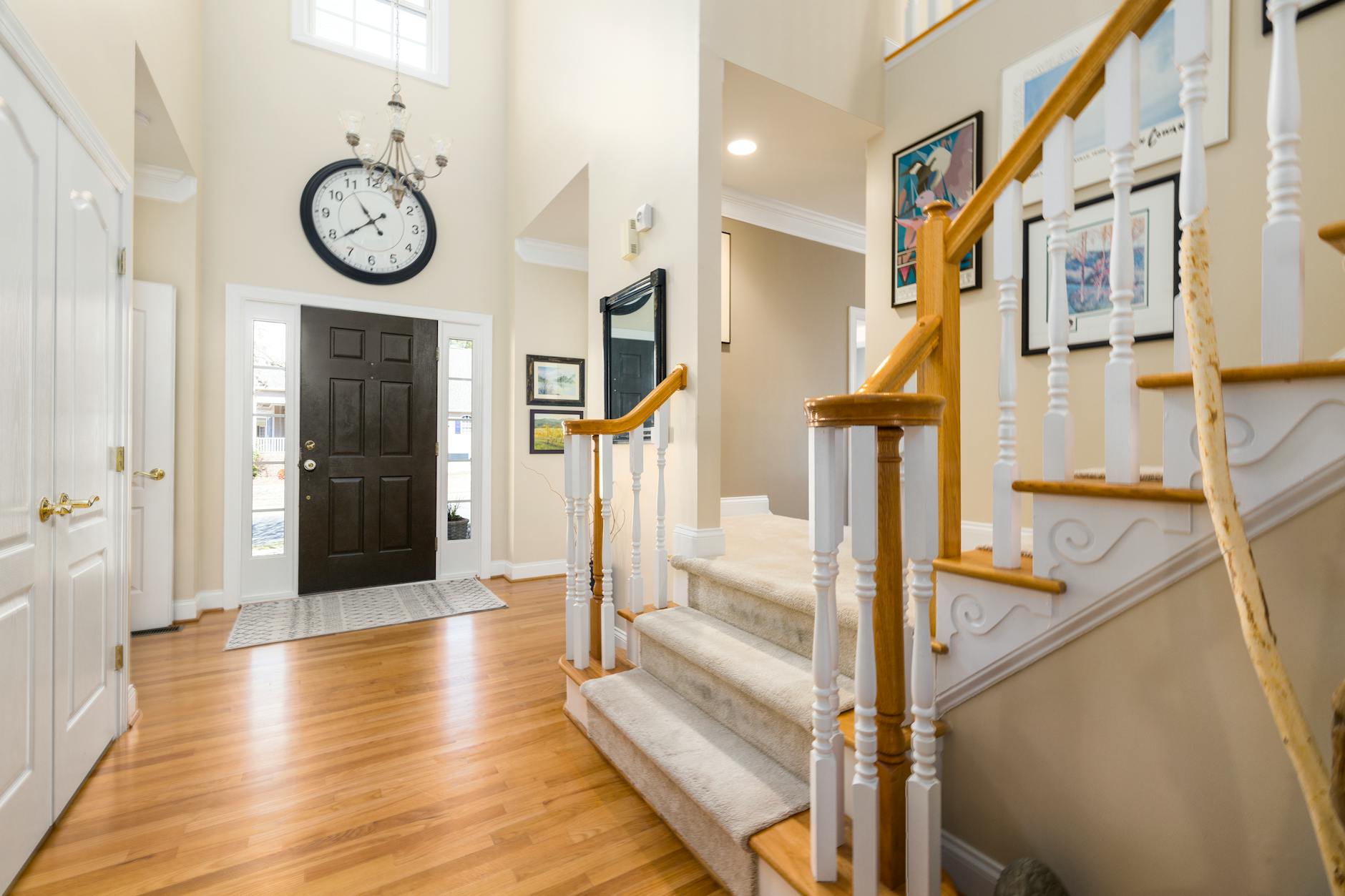
The First Impression: The Entryway
Think of your entry as the opening chapter of your gathering’s story.
This is where a guest’s experience begins. A cluttered, cramped entryway can make people contract. To squeeze past coats and bags. It might create a subtle sense of chaos before they’ve even said hello.
Some people find that clearing this area makes a big difference.
It’s not about having a grand foyer. It’s about creating a moment of welcome. A clear place to step inside and pause. A hook for a coat. A little space to breathe.
This simple act can help guests transition from the outside world into your home. It sets a tone of openness.
The Path of Least Resistance
Once inside, where do people naturally go?
In many homes, the main walkway from the door leads directly to the heart of the action. You might observe this path. Is it clear? Or is it blocked by a chair, a large plant, or an awkwardly placed table?
Imagine you’re a stream of water flowing into the house. Where would you go? What would you bump into?
Clearing this primary path is a practical first step. It allows people to enter and mingle without having to navigate an obstacle course. It lets the energy of the gathering spread naturally.
The Social Heart: Your Gathering Space
This is usually the living room, den, or combined kitchen area. Here, flow is about connection and comfort.
Consider your furniture. Are all seats facing the television, or do they face each other? In Feng Shui, the arrangement of a “;commanding position” is sometimes discussed for important pieces like a bed or desk—being able to see the door without being directly in line with it.
For a sofa, a similar idea might apply. Can people sitting there see the entrance to the room? This often helps people feel more settled and less startled.
But more importantly, does your furniture create little circles for conversation? A single, long sofa against a wall can create a “theater row” feel. Adding a couple of chairs opposite, or at an angle, can encourage people to turn and talk.
The Kitchen Conundrum
We all end up in the kitchen. It’s a universal truth.
If your kitchen is part of the entertaining space, you might notice its flow. Is there a natural spot for people to gather that doesn’t block the cook from reaching the oven or the fridge?
Sometimes, placing a simple stool or two at the end of an island can define a “perch” area. It gives people a place to be included without being in the way.
It acknowledges the magnetic pull of the kitchen and works with it, not against it.
The Little Things That Hinder Flow
Flow isn’t just about big furniture. It’s in the details.
- Clutter on surfaces: Completely packed coffee tables or countertops can make a space feel visually “noisy” and full. Clearing even one central surface can make a room feel lighter.
- Doors that don’t open fully: A door that bangs into a piece of furniture can feel like a blocked opportunity. Ensuring doors have a clear swing is a very practical fix.
- Dark corners: Areas without light can sometimes feel like energy sinks. A small lamp or even a string of fairy lights in a dark corner can gently lift the feeling of the whole room.
- The “dead-end” hallway: If guests walk down a long, blank hallway to a bathroom, you might consider placing a small piece of art or a plant along the way. It gives the eye a pleasant place to rest on the journey.
The Bagua Map: A Lens for Intention
In Feng Shui, the Bagua map is a tool some people use to associate different areas of a home with different aspects of life.
You can use it as a gentle lens for your gathering, not a rulebook. For entertaining, two areas might be interesting to consider.
The center of your home is sometimes connected to health and grounding. A clear, clean, central space can feel stabilizing for a party.
The area associated with joy and community is often in the far right of your space from the front door. What’s in that corner of your main room? A dusty bookshelf? A bright piece of art? Simply being aware of it can be a start.
Maybe you feel inspired to add a splash of a warm, happy color there before guests arrive. Or maybe you just notice it and smile.
After the Party: Resetting the Flow
The flow of a gathering includes its ending.
An old Feng Shui practice involves cleaning up after guests leave, not leaving it for the morning. The idea is to clear the residual energy of the event and reset your home for your own peace.
You don’t need to do a deep clean at midnight. But some people find that taking five minutes to gather glasses, straighten cushions, and open a window creates a real sense of calm.
It can be a ritual of closure. It thanks your home for holding the celebration and welcomes back the quiet.
Your Home, Your Gatherings
All of this is simply about awareness. About noticing.
Next time you have people over, you might pause for a moment before they arrive. Walk the path from your front door to your living room. Sit in the chairs where your guests will sit. See what you see.
Does a table feel like it’s in the way? You could move it. Does a corner feel too dark? You might add a light.
These are small, kind adjustments for your space and for the people who will share it. They are not rules you must follow.
The true goal is to create a container that feels good to you. When you feel at ease in your own home, that feeling can be contagious. It becomes the quiet, unhurried foundation for connection.
That is the best flow of all.
Featured Photo by Max Vakhtbovych on Pexels.
Related Reading
- Entryway: First Impressions and the “Mouth of Chi”
- Living Room: Seating Arrangements and Flow
- Three Living Rooms: Common Furniture Arrangements


