
Nursery: Welcoming a New Baby
Preparing a nursery is one of the quietest, most hopeful acts. It often happens in that liminal space between knowing and meeting, all excitement and jittery nerves.
We choose tiny clothes. We assemble furniture with careful instructions. We wonder what this new person will be like.
This room becomes more than just a place for sleep. It’s a first home, a sanctuary for a brand-new life and for you as new parents.
A Space of Its Own
In Feng Shui, a nursery is a unique room. It doesn’t have the same demands as a home office or a master bedroom.
Its primary purpose is simple: to support safety, rest, and connection. The energy here might feel most gentle, protected, and soft.
We’re not designing for ambition or socializing. We’re creating a nest. The goal is often a sense of calm containment, like a warm, steady heartbeat.
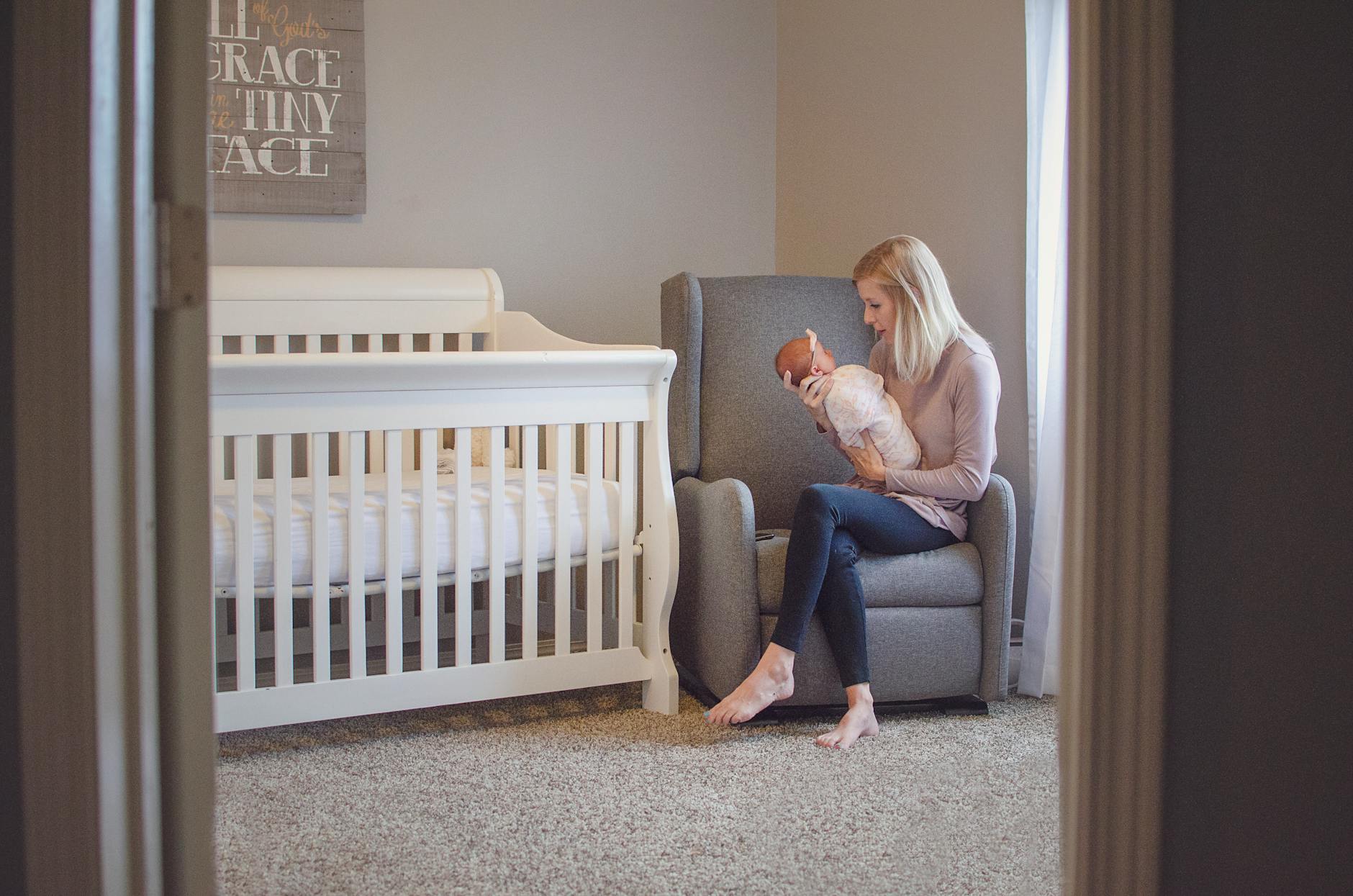
Starting With a Feeling
Before you paint or put up a shelf, you might just sit in the room. Many people find this to be a helpful first step.
Close your eyes for a moment. How does the room feel?
Is it stuffy or drafty? Does it feel welcoming or a bit forgotten? Notice the light at different times of day.
Your observations here can be your best guide. They can feel more valuable than any rule from a book. This quiet noticing can set the foundation for everything else.
Choosing the Right Room
If you have a choice, some rooms can naturally feel better for a baby. You might look for a space that feels secure.
A room with a solid wall behind where the crib will go can feel more supportive than one with many windows. It’s often about that feeling of being backed up, held.
Some parents prefer a room that isn’t directly above a busy garage or facing a loud street. It’s not about good or bad energy. It’s about considering how to minimize disruptions to that fragile, new sleep rhythm.
A room close to your own bedroom often makes practical sense. Those midnight trips for a feeding or a cuddle can be easier on everyone.
The Unshakable Foundation: Safety
All Feng Shui begins with safety and comfort. This is its oldest principle. For a nursery, this is the primary focus.
It’s the foundation upon which any other feeling of peace can be built.
You might check these practical things first:
- Secure furniture like dressers and bookshelves to the wall.
- Ensure the crib meets current safety standards, with a firm mattress and no loose bedding.
- Check window cords and blinds for potential hazards.
- Install working smoke and carbon monoxide detectors nearby.
- Keep the floor clear of tripping hazards for those sleepy nighttime walks.
When these basics are covered, your mind can relax. That sense of security can become the room’s true energy.
Arranging the Room With Flow
Think about how you will move through this room. You’ll be doing it in the dark, holding a baby.
You might place the crib so you can easily approach it from different sides. A little space on all sides can feel less cramped than pushing it into a corner.
Some people find they rest easier when they can see the door from the rocking chair. It’s a subtle feeling of being aware, not startled.
Keeping the path from the door to the crib clear can make those nighttime journeys smoother and less frantic.
You might consider having everything you need within arm’s reach of the changing table. This can help prevent you from ever having to step away, even for a second.
A Gentle Palette of Color
Color is a quiet language. In Feng Shui, different colors are sometimes associated with different qualities.
For a nursery, soft, muted versions of any color often work best. They can be easier on new eyes and help create a restful atmosphere.
Here are some common associations, just for your consideration:
- Soft Greens and Blues: Often linked with calm, healing, and gentle growth. They can feel very serene.
- Warm Whites and Creams: Sometimes associated with clarity. They can make a clean, bright canvas that’s easy to add to.
- Pale Pinks and Peaches: Can be connected to a sense of nurturing warmth.
- Subtle Lavenders: Might carry a feeling of tranquility and peace.
The best color is often one that makes you, the parent, feel calm when you walk in. If a soft yellow makes you smile, that might be the right color.
The Soft Light of Early Days
Lighting can be everything in a nursery. Harsh overhead lights can feel jarring for a baby (and a parent) at 2 a.m.
Layered lighting is a wonderful idea. You could use a dimmer on the main light, or skip it altogether.
Instead, you might focus on soft, indirect light sources:
- A small table lamp with a warm bulb.
- A nightlight that plugs into the wall, casting a soft glow.
- Blackout curtains for naps and early summer mornings.
This way, you can have just enough light to see, without fully waking up little sleepy eyes. It can help protect the sanctity of sleep for everyone.
Curating the Stuff
It’s easy for a nursery to fill up quickly with gifts and gadgets. A simple approach can help keep the energy light.
Before the baby arrives, you might only need a few essentials within the room itself. Everything else can be stored elsewhere.
Keeping surfaces like the dresser top fairly clear can feel calming. A single sweet item, like a soft toy or a family photo, is often plenty.
Open storage like shelves can get visually busy fast. Using bins or baskets in a calming color can contain the toys and diapers, making the room feel ordered even when it’s fully stocked.
Personal Touches Are the Heart
This is what makes the room a home. These are the items that carry love.
A blanket knitted by a grandparent. A framed picture from your own childhood. A simple mobile that catches the light.
In Feng Shui, these are sometimes seen as symbols of intention. They are not magical objects. They are physical reminders of the love and community surrounding this new life.
You might choose a few items that make your heart feel full when you look at them. That feeling is often the energy you want in the room.
Your Nursery, Your Way
You will read many opinions on the “perfect” nursery. Remember that you are the expert on your home and your family.
If a suggested layout feels wrong to you, you might trust that feeling. If you love a bright color, you could use it.
Feng Shui at its best is not a set of rules. It’s a way of paying attention. It’s about noticing how a space feels and making small adjustments so it feels like a support, not a stress.
Your baby’s first room is a container for so much—exhaustion, joy, midnight worries, and first smiles. You might let it be simple. Let it be safe. Let it be filled with the things that mean love to you.
That is more than enough. Welcome home.
Featured Photo by www.kaboompics.com on Pexels.


