
Even on a cold night, the image of a fire can feel warming. There is something ancient and deeply comforting about watching flames dance, a quiet pull that has gathered people together for thousands of years.
In our homes, the fireplace often becomes more than just a source of heat. It is a focal point, a centerpiece for conversation, and a symbol of home itself.
From a Feng Shui perspective, a fireplace is a powerful feature. It brings a significant amount of energy into a room, and simply noticing its presence and placement can be a wonderful exercise in understanding the feeling of your space.
The Heart of the Home: Fire’s Energy
In the system of the Five Elements, the fireplace is a pure and potent expression of the Fire element. This isn’t surprising, of course. But what does Fire represent?
Fire is associated with passion, inspiration, and visibility. It is the element of social connection, celebration, and expression. It brings a bright, active, and upward-moving energy—often called Yang energy—into a space.
Having a strong Fire element in your home can support a feeling of warmth and joy. A fireplace, as its source, naturally becomes a hub for this kind of vibrant energy.
Where Does the Fireplace Live?
The placement of a fireplace can influence the feeling of a room and, some believe, the home as a whole. There are no “right” or “wrong” spots. Instead, we can look at different locations through the lens of the Feng Shui map, or Bagua, to understand the energetic story being told.
Fireplaces in the South
The South area of a home or room is connected to the Fire element. It is also associated with your reputation, recognition, and how you are seen in the world.
Placing a fireplace here is considered very harmonious. The energy of the feature naturally supports the energy of the area. It can feel like a seamless fit, creating a space that feels bright, expansive, and full of life.
Fireplaces in the Northeast or Southwest
The Northeast and Southwest areas are connected to the Earth element. The Northeast relates to knowledge and self-cultivation, while the Southwest is linked to partnership and love.
In the cycle of the Five Elements, Fire nourishes Earth. When fire burns, it creates ash, which becomes part of the soil. Symbolically, a fireplace in an Earth area can be seen as a supportive and nurturing feature.
It can bring warmth and activity to these areas of life, gently feeding the stable, grounding energy of Earth.
Fireplaces in the Center
The center of the home is known as the Tai Chi. It is also an Earth area, representing health, stability, and the overall well-being of the household.
A fireplace here can act as a strong, beating heart for the entire home. It grounds the space with warmth and anchors the family’s energy. Because the center touches all other areas, this warmth can radiate outward.
Some people feel a very powerful fireplace in the dead center can be a bit intense. It’s all about observing the balance and how it feels to you.
A Note on Other Placements
What if your fireplace is in another area? This is very common, and it simply creates a different kind of energetic conversation.
For example, the North is the area of the Water element. A fireplace here brings Fire and Water together. These are powerful, opposing forces, which can create a dynamic and interesting energy. Some people find it stimulating, while others might seek to balance it.
The West and Northwest are connected to the Metal element. In the elemental cycle, Fire shapes or melts Metal. A fireplace here might introduce an energy of transformation. To soften this, you could add Earth elements nearby—like ceramic pots or earthy colors—as Earth can harmonize the relationship between Fire and Metal.
There is no need to worry about these placements. The goal is simply to notice the elements at play and see if you can create a feeling of harmony.
Beyond the Map: How Does It Feel?
While the Bagua offers a fascinating lens, your own personal experience is the most important guide. How your fireplace feels to you and your family is what truly matters.
The Fireplace as a Focal Point
Walk into the room where your fireplace is. Where does your eye go first? Chances are, it lands on the hearth. Furniture is often arranged to face it.
Take a look at this arrangement. Does it invite people to sit and talk with one another? Or is the seating focused more on a television screen placed above the mantel?
Does the flow of the room feel open and welcoming, or do you have to navigate around furniture to get near the warmth? These simple observations can tell you a lot about the social energy of the space.
When the Fireplace is Dormant
For many months of the year, a fireplace sits unused. During this time, a large, black, empty opening can sometimes feel like a quiet drain on the room’s energy.
You can easily shift this feeling by bringing beauty and intention to the hearth during the off-season. Consider these gentle ideas:
- A beautiful screen: A decorative fireplace screen can soften the look of the dark opening.
- Birch logs: A bundle of white birch logs adds a natural, textural element.
- A large basket: Fill a woven basket with pinecones, dried flowers, or even soft blankets.
- Candles: A collection of pillar candles in varying heights can create a lovely glow, mimicking the fire.
- Fairy lights: Twinkling lights coiled inside the hearth can add a touch of magic and gentle light.
The idea is to keep this central feature of the room feeling alive and cared for, even when it’s not producing heat.
Your Mantel: A Personal Story
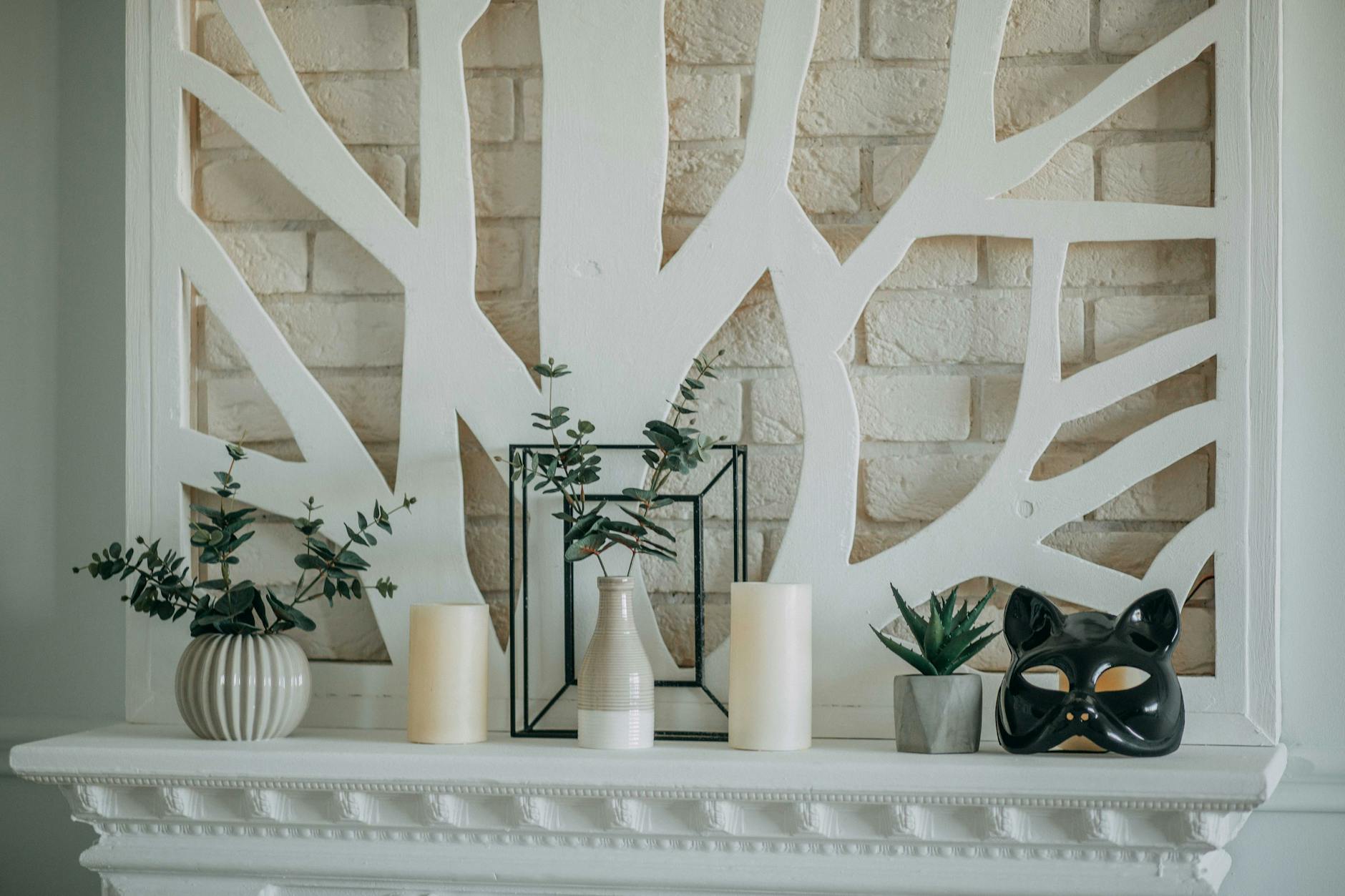
The mantelpiece is a natural stage. It sits at eye level and often becomes a default display shelf for the home. This is a wonderful opportunity to be intentional.
Think of your mantel as a place to tell a story about what you value. It’s a perfect spot for family photos, meaningful artwork, or objects collected from nature or travels.
You can change it with the seasons, bringing in fresh flowers in the spring, seashells in the summer, or evergreen boughs in the winter. This simple act of refreshing the mantel keeps the energy of the room current and connected to the world outside.
By curating your mantel with intention, you reinforce the fireplace’s role as the true heart of your home.
Modern Hearths and Ancient Flames
Not all fireplaces are the same, and each type brings its own unique quality of energy.
A traditional wood-burning fireplace has a very primal, active energy. The crackle of the wood, the scent of the smoke, and the hands-on process of building and tending the fire are all part of its powerful presence.
A gas fireplace offers a more controlled and consistent expression of Fire. The warmth is steady and the flame is predictable. This can feel like a calmer, more stable version of Fire energy, which some people prefer.
An electric or virtual fireplace provides the visual cues of fire—the light and the flickering motion. While it may not produce physical heat, it still offers the psychological comfort and symbolism of a hearth. The image of fire alone is powerful enough to make a room feel warmer and more inviting.
Listening to Your Home
Exploring your fireplace through a Feng Shui lens is not about following rigid rules. It is an invitation to pay attention in a new way.
The next time you have a quiet moment, sit in the room with your fireplace. Notice where it is. Notice how the furniture relates to it. Notice what is on the mantel.
Most importantly, notice how it makes you feel. Does it feel comforting? Powerful? Ignored? There is no right answer. The simple act of observing is the first step toward creating a space that truly supports you.
Ultimately, your home is your sanctuary. The best arrangement is always the one that brings you a personal sense of comfort, warmth, and peace.
Featured Photo by Max Vakhtbovych on Pexels.