
We walk through them a dozen times a day, often without a second thought. They are the connectors, the in-between spaces that link the rooms where we live our lives.
The hallway is rarely the destination. It’s the journey, however brief, from the living room to the bedroom, from the kitchen to the front door. Because we spend so little time lingering in them, we can sometimes forget they are spaces in their own right.
In the world of Feng Shui, these transitional passages are seen as incredibly important. They are like the arteries and veins of the home, guiding the flow of energy, or Qi, from one area to another.
Taking a moment to notice how your hallway feels can be a quiet, simple way to understand the overall atmosphere of your home.
What is Qi and How Does it Move?
In Feng Shui, Qi (pronounced “chee”) is a word for the life force or energy that flows through everything. You don’t have to believe in a mystical force to understand the concept. Think of it as the “vibe” or feeling of a space.
Some rooms feel light, airy, and easy to be in. Others might feel heavy, stagnant, or even a little stressful. This feeling is what Feng Shui observes as the quality of Qi.
Ideally, this energy meanders gently through a home, like a slow-moving stream. Many people find that when Qi moves this way, it contributes to a feeling of nourishment in each space it passes through. Hallways are often considered primary channels for this movement.
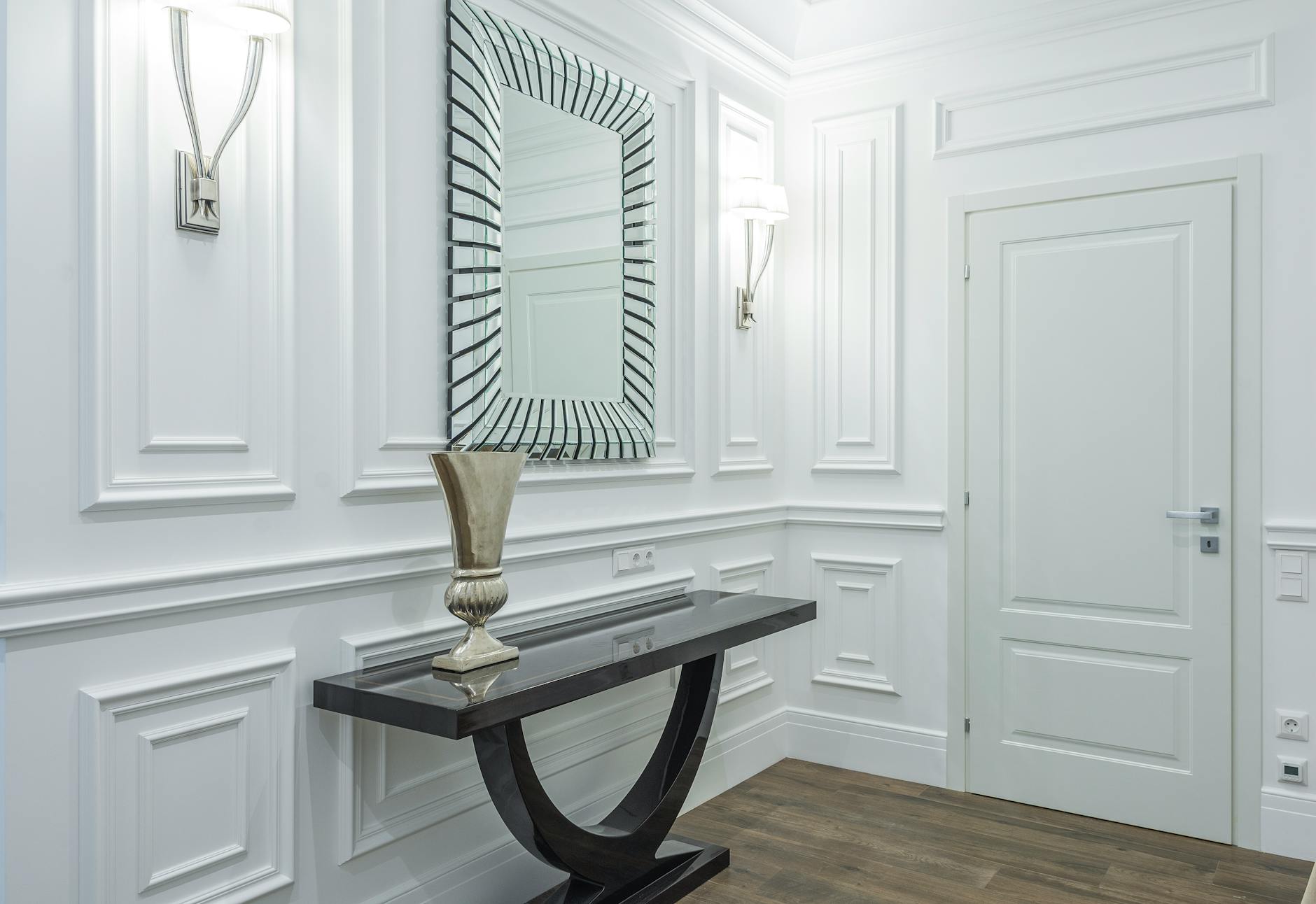
The Long, Straight Hallway
Many homes, especially in modern architecture, feature long, straight hallways. They are efficient for getting from point A to point B. Think of a straight, narrow road with a high speed limit.
From a Feng Shui perspective, this can create a fast-moving current of energy, sometimes called Sha Qi. This isn’t “bad” energy; it’s just energy that is moving too quickly and directly.
Imagine water being forced through a narrow hose at high pressure. It rushes from one end to the other without pausing. This can sometimes create a feeling of unease or restlessness in the home.
Slowing the Flow
If you have a long hallway and feel a sense of rush, there are gentle ways to invite the energy to slow down and meander. The goal is to create soft interruptions that encourage a pause.
- A Runner Rug: A long runner with a gentle pattern can visually break up the length of the hall. It provides a soft path and adds texture and color.
- Staggered Artwork: Instead of lining up pictures in a perfect, rigid row, consider hanging them in a staggered or asymmetrical pattern. This encourages the eye—and the energy—to move from side to side.
- A Small Console Table: If space allows, a very narrow table placed against one wall can create a beautiful focal point. A small lamp or a plant on the table adds a gentle, welcoming glow.
The Dark and Narrow Hallway
A hallway without natural light can feel forgotten or heavy. It can be a space we hurry through because it doesn’t feel particularly welcoming. We might store things there that have no other home, adding to a sense of confinement.
In Feng Shui, dark and cramped spaces are associated with stagnant or slow-moving Qi. The energy doesn’t have enough light or space to circulate freely, which can make the area feel low-energy.
Inviting Light and Space
The feeling of a dark hallway can be shifted by focusing on light and the perception of space. Even small adjustments can make a significant difference.
Lighting is Everything
Good lighting is perhaps the most direct way to lift the atmosphere of a hallway. A single, dim overhead fixture can create shadows and make the space feel smaller.
Consider replacing a single fixture with track lighting, where you can direct light onto walls or artwork. Wall sconces can also wash the walls with a soft, ambient glow, making the passage feel wider and warmer.
The Gentle Use of Mirrors
Mirrors are a well-known tool for creating an illusion of space. In a narrow hallway, a mirror can reflect light and visually double the width.
A common observation in Feng Shui is to be mindful of what a mirror reflects. Some people find it jarring to have a mirror directly facing the front door, as it can feel like it’s “pushing” energy back out.
A more gentle approach is to place a mirror on a long wall. It can reflect a beautiful piece of art on the opposite wall or capture light from an adjoining room, bringing that brightness into the hall.
The Power of Paint
It’s a simple observation that lighter colors reflect more light. A fresh coat of paint in a soft white, a warm cream, or a pale, airy blue can instantly make a dark hallway feel brighter and more open.
Painting the ceiling a shade lighter than the walls can also create a sense of height and spaciousness.
The Cluttered Hallway
Hallways often become default drop-zones. Shoes pile up by the door, coats are slung over a banister, and bags are dropped on the floor. It’s a normal part of a busy life.
When the path is blocked, however, it can create a subtle feeling of stress. Navigating an obstacle course just to get from one room to another can be draining, even on a subconscious level.
From a Feng Shui perspective, clutter is often seen as potentially obstructing the flow of Qi. It’s thought that the energy might not move as smoothly through the home’s main arteries if they are blocked.
Creating a Clear Path
Clearing the path in your hallway is less about rigid tidiness and more about creating a feeling of ease. It’s about making the journey through your home feel effortless and pleasant.
- A Home for Everything: Find simple, functional solutions for the items that collect there. A slim shoe cabinet, a row of hooks for coats, or a simple basket for mail can make a world of difference.
- The “One-Touch” Rule: This is a simple habit. When you come in, try to put things away in one touch. Hang your coat on the hook, put your keys in the bowl, and place your shoes in the cabinet. It takes a moment but prevents pile-ups.
- Focus on the Floor: Keeping the floor clear is the most important step. When the ground you walk on is open, the entire space feels more manageable and calm.
The Hallway and Your Front Door
The relationship between your front door and the hallway that follows is a special one. In Feng Shui, the front door is called the “Mouth of Qi,” as it’s the primary way that energy enters your home.
The view that greets you immediately upon entering sets the tone for your entire home. A bright, clear, and welcoming hallway feels like a warm embrace.
A hallway that ends abruptly in a wall or a door to a private space (like a bathroom) is sometimes seen as a challenging layout. The idea is that the entering energy rushes down the hall and “crashes” into the wall, which can feel abrupt.
Softening the Landing
If your front door opens onto a hallway that ends at a wall, you can soften this effect by making that end wall a beautiful focal point.
Hang a piece of art that you love. Place a slim console table there with a vase of flowers. Paint the wall a calming, beautiful color. This can offer the entering energy—and your eyes—a more pleasant place to land.
A Gentle Invitation to Observe
You don’t need to change anything right away. The first step is simply to notice. The next time you walk through your hallway, slow down for just a moment.
How does it feel? Is it bright or dim? Is the path clear? Does it feel like a forgotten space or a cherished part of your home?
Pay attention to your body. Do you hold your breath a little in a narrow space? Do you feel a sense of hurry in a long one? There is no right or wrong answer, only your personal experience.
This simple act of awareness is the heart of Feng Shui. It’s about listening to your home and understanding how its layout and atmosphere affect you.
Your Home is Your Sanctuary
The ideas shared here are not rules. They are simply observations from a tradition that has spent centuries thinking about how our environment makes us feel.
Your hallway doesn’t need to be perfect. It just needs to feel good to you. If a small change—like a new light fixture or a piece of art—makes your daily journey through your home a little more joyful, then it has served its purpose.
Trust your intuition. Your home is yours, and creating a space that supports and comforts you is a beautiful act of self-care.
Featured Photo by Quang Nguyen Vinh on Pexels.