
Think about the last time you had friends over. Where did everyone end up?
Chances are, they gravitated toward the kitchen. Not always the living room or the dining table, but that space centered around the counter, the sink, and the stove. There’s a pull to it. It’s not just about efficiency or convenience—it’s something older.
That magnetic spot in your home, the stove, holds a quiet kind of power. In Feng Shui, we look at it as the modern hearth. It’s less about the appliance itself and more about what it represents: warmth, nourishment, and the spark that sustains a home.
The Heart of the Hearth
A long time ago, life centered around a literal fire. The hearth was warmth. It was light in the dark. It was where food was cooked and people gathered to share stories and shelter.
Our stoves are the direct descendants of that central fire. The principle is the same, even if the technology changed. Because of this, Feng Shui sees the stove as a key anchor point for the energy of nourishment and prosperity in a home.
It’s symbolic. The idea is that how we relate to this space can reflect how we relate to nurturing ourselves and our family.
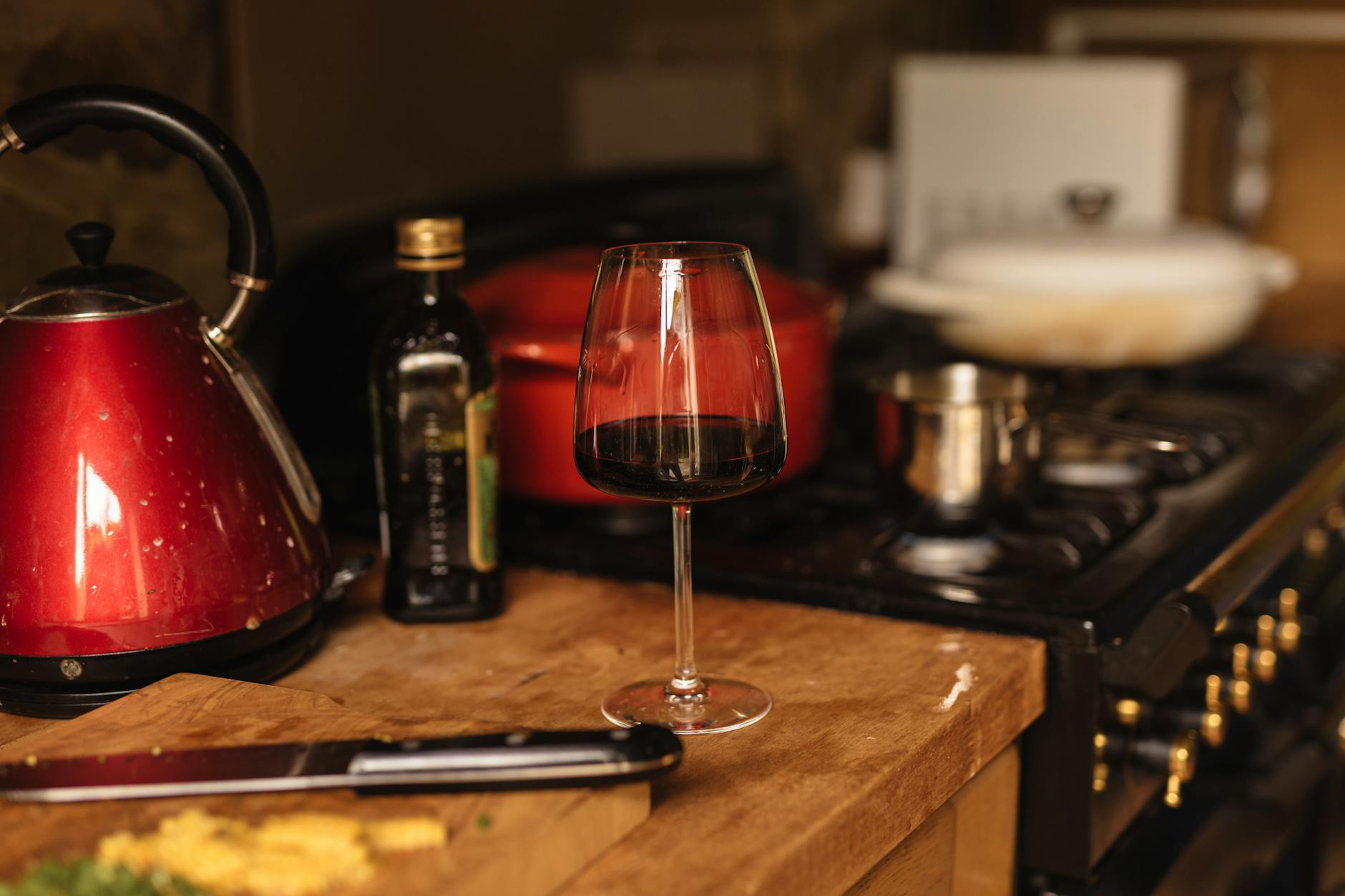
More Than Just a Cooking Surface
So, if we see the stove as a symbol, what is it symbolizing?
Primarily, it’s about sustenance. It’s the place where raw ingredients are transformed into meals. This act of creation and transformation is powerful. It’s where we put our energy to fuel our bodies.
It also symbolizes family and community. Shared meals start here. The rituals of breakfast, dinner prep, and weekend baking all revolve around this spot.
And finally, it can be seen as a point of intention. What we ‘cook up’ isn’t just food. It’s the atmosphere of our home.
Simple Observations for Your Kitchen Hearth
This isn’t about strict rules. It’s about tuning into the feeling of your own kitchen. Here are some gentle angles to consider, simply as observations you can make for yourself.
Placement and Perspective
In many Feng Shui traditions, some people find it supportive to have a clear view of the kitchen entryway from the stove. The thinking is simple: wouldn’t you feel more at ease cooking if you could see who’s coming in?
It’s a practical, almost instinctual sense of security. If your stove faces a wall, you might simply choose to add a small mirror or a shiny kettle on the back to subtly widen your view.
The concept of a “command position” applies here too. It’s not about dominance, but about having a supportive, uncluttered space behind you.
The Element of Fire
The stove’s element is fire. In the balancing system of Feng Shui, fire is nurtured by wood and controlled by water.
You might see this play out in your kitchen’s layout. Is your stove directly next to or opposite the sink or refrigerator? That’s the water element right beside the fire.
Some traditions see this as a potential clash. But in a modern home, this is incredibly common. If you notice it, you could simply introduce the wood element between them. A wooden cutting board, a small plant, or even the color green on a towel can act as a gentle bridge.
The State of Your Hearth
This might be the most practical place to start. Look at your stove. Not with judgment, but with curiosity.
A clean, functioning stove feels inviting. Burners that all work, a surface free of old spills, and knobs that turn easily—these things matter. They make the act of cooking feel like a choice, not a chore.
In contrast, a stove that’s difficult to use or covered in grime can make the whole kitchen feel heavy. Cleaning it can be a surprisingly powerful reset for the room’s energy.
Using All the Burners
There’s a common Feng Shui notion that the burners can symbolize different avenues in life. The idea is that using them all, over time, can feel like engaging with the full range of your own energy.
You don’t need to boil four pots of water every night. It’s more about the intention. Do you always use the same front-left burner, while the others collect dust?
Maybe just try rotating which one you use. Lighting them all occasionally can feel like ‘activating’ the heart of your kitchen. It’s a small ritual that brings awareness to the space.
What’s Above and Below?
Look at the space directly above your stove. Is it a heavy, overbearing microwave or cabinet? Does it feel pressing?
Now, look below. What’s in the oven? Is it storing old baking sheets, or is it ready for use?
The space around the stove needs to breathe, just like a fire does. Clearing the immediate area of clutter—on the counters, in the overhead space—can make the whole zone feel lighter and more focused.
Different Angles, Different Kitchens
Every home is unique. A studio apartment’s kitchenette has a different relationship to the living space than a large open-plan kitchen.
The principles of awareness still apply. In a small space, keeping the mini-stove pristine might be your key to feeling like the whole room is cared for.
In a huge kitchen where the stove is an island, its central position makes it a natural gathering point. Emphasizing that by keeping the island clear can strengthen its role as the home’s hearth.
There’s no single right answer. It’s about what feels supportive and uncluttered in *your* specific space.
Inviting the Hearth Energy In
If you want to gently strengthen the nourishing energy of your kitchen hearth, think about simple symbols.
The color red is associated with the fire element. A red tea kettle, a vibrant pot holder, or even a bowl of red apples on the counter can be a nod to this.
Light is also fire. Under-cabinet lighting that brightens the stove area makes it feel more welcoming, especially in the evening.
Most importantly, use it. Cook a meal you enjoy. Brew a pot of tea. The best way to honor a hearth is to light the fire.
Your Home, Your Hearth
Feng Shui, at its best, is about noticing. It’s about seeing the objects in our home not just as tools, but as symbols of how we live.
The stove is a powerful symbol. It’s your modern hearth. You don’t need to overhaul your kitchen or follow rigid rules.
Maybe just start by cleaning it well this week. Or try using a different burner. Notice if the space around it feels tight or open.
Your kitchen is yours. The meals you make there, the conversations that happen by the counter, the quiet moments with a morning coffee—that’s the real energy. The stove is just the anchor for it all.
See what you notice. That’s where it begins.
Featured Photo by ClickerHappy on Pexels.