
There is a quiet companionship between a house and a long-lived tree. You can feel it when you see an old farmhouse with a sprawling oak nearby, its branches seeming to watch over the roof. They become part of the home’s story.
Tree placement are more than just landscaping. They are living, breathing presences that change with the seasons, offer shade, and connect our homes to the natural world. How we place them, and which ones we choose, can subtly shape the feeling of our space.
Let’s explore the relationship between trees and the home, looking through a lens of gentle awareness and simple observation. This isn’t about rigid rules, but about noticing how these gentle giants interact with the energy of our personal sanctuary.
The Living Energy of Trees
In Feng Shui, trees are powerful expressions of the Wood element. This element is associated with growth, vitality, flexibility, and new beginnings. A healthy, thriving tree is a beautiful symbol of life force, or Qi.
When we plant a tree, we are inviting this vibrant, growing energy to be part of our environment. It’s a gesture of putting down roots, both for the tree and for ourselves.
Guardians and Companions
Trees can feel like guardians for a home. Their height and presence can create a sense of protection and stability. They stand witness to our lives, their slow, steady growth a calming counterpoint to our own busy days.
Thinking of trees in this way helps us see them not just as objects, but as partners in creating the feeling of “home.”
Finding a Gentle Balance: Tree Placement
Where a tree stands in relation to the house can influence how the energy flows and how the space feels. The goal is always a sense of harmony, where both the house and the tree have room to breathe.
Trees at the Front of the House
The front of the house, especially the main door, is often called the “Mouth of Qi.” This is often seen as a significant point where energy and opportunities might be drawn into our home.
We generally want this area to feel open, clear, and welcoming.
A very large, dense tree planted directly in front of the main door can sometimes make an entrance feel blocked or heavy. It might cast a deep shadow, making the entryway feel dark and less inviting.
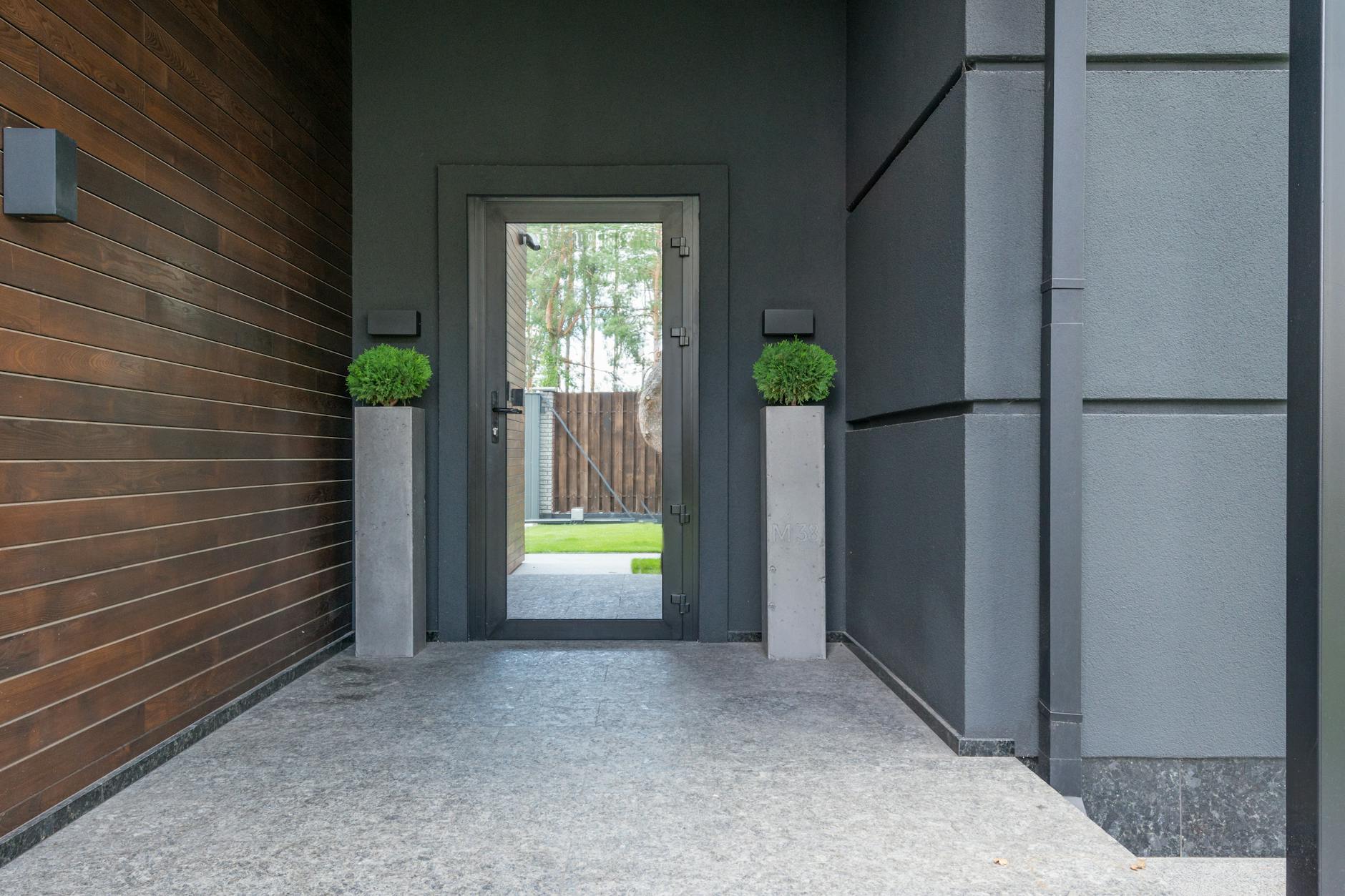
Instead, many people find that placing trees to the left and right of the front door creates a beautiful effect. They can frame the entrance, like a welcoming embrace, and some people feel this helps to invite energy toward the home rather than obstructing it.
Trees at the Back of the House
The rear of the property is associated with support, stability, and security. In classical Feng Shui, this is the position of the “Black Tortoise,” a mythical creature representing steadfastness.
A strong, healthy tree or a small grove of trees at the back of the house can enhance this feeling of support. It can feel like having a strong back to lean on, creating a sense of safety and grounding for the entire home.
This is especially true if the land slopes away from the back of the house. Trees can help to visually and energetically “hold” the property in place.
Balancing the Sides
The sides of the home are also important for creating a sense of balance. In some traditions, the left side of the house (when looking out from the front door) is the Green Dragon, and the right is the White Tiger.
The Dragon side is associated with growth and opportunity, while the Tiger side is associated with protection and stillness. A common approach is to have slightly taller trees or plantings on the Dragon (left) side to encourage a feeling of gentle growth.
The most important thing, however, is your own observation. Does one side of your home feel exposed or empty? A well-placed tree might bring a welcome sense of balance and completeness.
Proximity and Scale: Giving Space to Grow
One of the most important considerations is the relationship between the size of the tree and its distance from the house. A tree that is too large and too close can feel overwhelming.
Its branches might scrape against the roof or walls, creating unsettling noises. Its dense canopy might block too much natural light, making rooms feel dark and damp.
Respecting the Roots
From a practical standpoint, we also have to think about what’s happening underground. The root system of a large tree can be extensive and powerful.
Planting trees with aggressive root systems too close to the house can pose a risk to the foundation over time. It’s a simple act of respect for both the home and the tree to give it the space it needs to mature fully and safely.
Before planting, it’s always helpful to research the mature size of the tree—both its height and its canopy spread—to find the perfect spot.
Exploring Different Types of Trees
Different species of trees have their own unique energy and character. Choosing a tree is like choosing a friend for your home. Consider the feeling you want to cultivate in your space.
Evergreens: For Steadiness and Resilience
Examples: Pine, Spruce, Cedar, Fir
Evergreen trees maintain their foliage year-round, offering a constant presence of life, even in the depths of winter. They are often associated with longevity, endurance, and resilience.
Their steady, grounding energy can bring a sense of peace and permanence to a property. The scent of pine or cedar can also be wonderfully calming and cleansing.
Deciduous Trees: For Cycles and Renewal
Examples: Oak, Maple, Birch, Ash
Deciduous trees move beautifully through the seasons. They offer lush shade in the summer, a spectacular display of color in the fall, and sculptural beauty in the winter before bursting forth with new life in the spring.
These trees connect us to the natural cycles of change, release, and renewal. An old oak is often seen as a symbol of wisdom and strength, while a graceful birch can feel light and uplifting.
Flowering Trees: For Joy and Beauty
Examples: Cherry, Magnolia, Dogwood, Redbud
Flowering trees bring a burst of joy and celebration to the landscape. Their blossoms are a reminder of the beauty of the present moment and the promise of new beginnings.
Planting a flowering tree where you can see it from a window can be a source of immense happiness each year when it comes into bloom.
Fruit Trees: For Abundance and Nurturing
Examples: Apple, Pear, Plum, Peach
Fruit trees are wonderful symbols of abundance, nourishment, and the sweetness of life. They represent the culmination of a cycle—from blossom to fruit.
The act of caring for a fruit tree and harvesting its bounty is a deeply grounding experience. It connects us directly to the earth and its ability to provide for us.
Trees with Unique Characters
Some trees have very distinct shapes or features that give them a specific feeling.
- Weeping Trees: A Weeping Willow or Cherry has a graceful, flowing form. Some people find this energy to be very calming and gentle, while others might associate the downward-growing branches with a feeling of sadness. It’s a matter of personal perception.
- Trees with Thorns: Trees like Hawthorn or Honey Locust have thorns. From one perspective, this can be seen as protective energy, creating a natural barrier. From another, the energy might feel a bit sharp or prickly.
An Invitation to Observe Your Space
The best way to understand the relationship between trees and your home is to simply walk around your property and pay attention.
How do the existing trees make you feel? Is there a spot that feels empty and could use the vibrant energy of a new tree? Is there an area where a large tree feels a bit too close or imposing?
Notice how the light changes throughout the day as it filters through the leaves. Listen to the sound of the wind in the branches. This direct experience is your most valuable guide.
A Note on Tree Health
A healthy, vibrant tree contributes positive, growing energy. A dead or dying tree, on the other hand, can bring a feeling of stagnation or decline to the environment.
Caring for the trees on your property by pruning dead branches and ensuring they are healthy is an important part of stewarding the energy of your land. If a tree is beyond saving, removing it can feel like releasing stagnant energy and making way for new life.
Your Home, Your Sanctuary
Ultimately, these ideas are not rules to be followed strictly. They are simply invitations to look at your home and its natural surroundings with a fresh perspective.
The perfect tree in the perfect place is the one that brings you a sense of peace, joy, and connection. It’s the one that makes your house feel even more like a home.
Trust your intuition. The relationship you build with the living world around your home is deeply personal. Your home is your own, and its story is yours to write, one branch and one leaf at a time.
Featured Photo by Curtis Adams on Pexels.
Related Reading
- Water on the Property: Ponds, Streams, and Drainage
- Cul-de-Sacs and Dead Ends
- Irregular Lots: Non-Rectangular Properties