
We all have that one room in the house that feels a little different.
It’s a space of quiet utility, of clean starts and washed-away days.
The bathroom. It’s where we go to refresh, but it’s also a room dominated by one powerful element: water.
A Simple Look at Water and Energy
In Feng Shui, water is a central idea. It’s linked to flow, to calm, and to the natural cycles of release and renewal.
It’s no surprise, then, that a room built around water invites a certain kind of attention.
The way water moves in this space—how it arrives, how it leaves—can shape how the room feels. This isn’t about rules. It’s about simple observation.
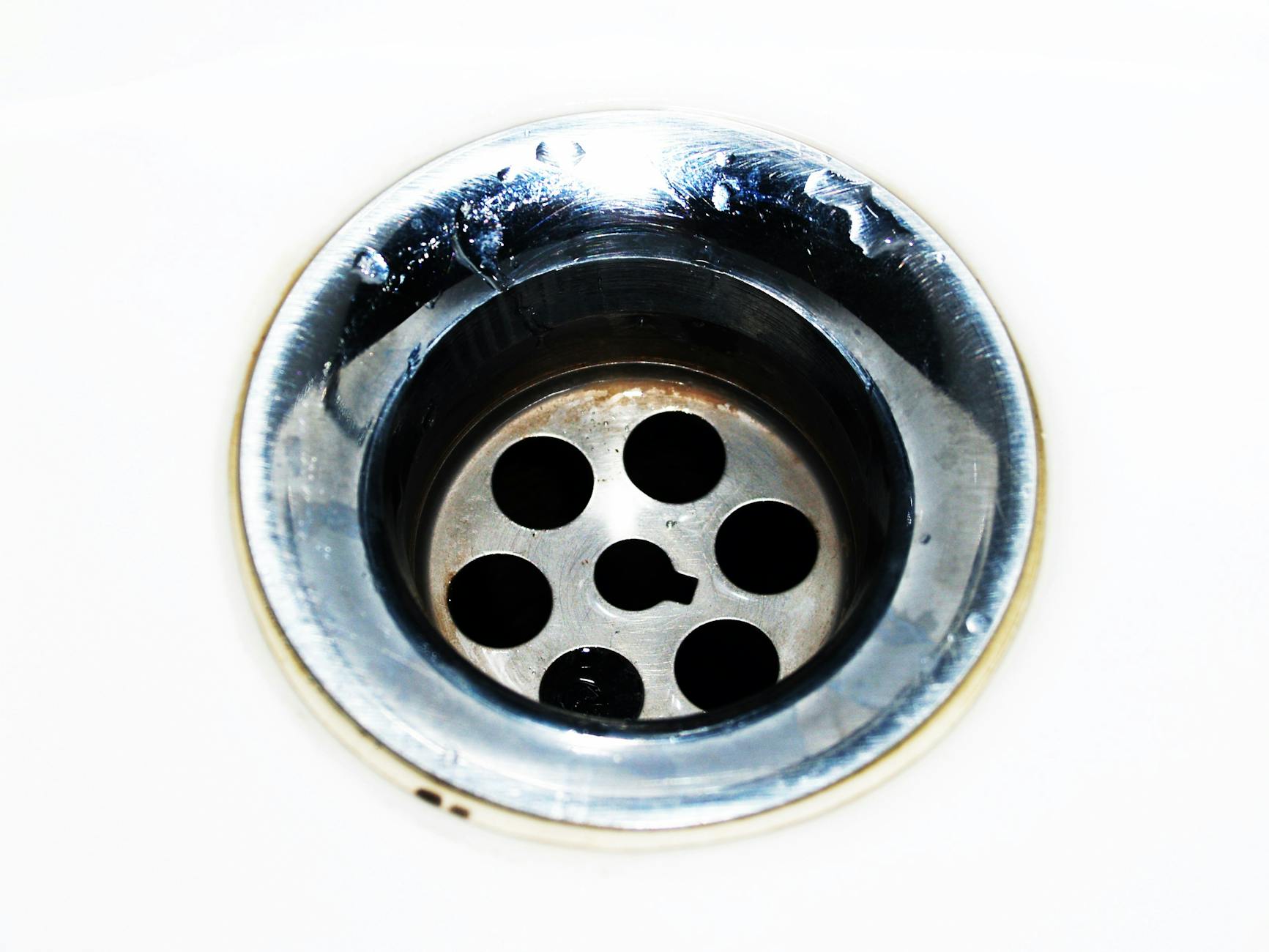
Beyond the Pipes: What Drainage Can Symbolize
On the surface, a drain is just a practical necessity. It’s where water goes when its job is done.
But if we pause for a moment, we can see it as part of a cycle. Water flows in, it’s used, and it flows out.
This daily act of release is a quiet, powerful gesture. It’s about letting things go.
The Feeling of a Slow Drain
We’ve all stood over a sink or tub watching water circle slowly.
That feeling of stagnation, of things not moving as they should, is a physical sensation. It can make the whole room feel sluggish.
From a Feng Shui viewpoint, some people find that keeping drains clear supports a sense of easy, unimpeded flow in the room’s primary function.
The Sound of Water Leaving
Listen the next time you let the water out after a bath.
A strong, smooth, gurgling exit can feel satisfying. It feels complete.
A weak trickle or a noisy, struggling sound might leave a different impression. It’s a small detail, but our senses notice these things. They contribute to the overall texture of the room.
Balancing the Elements in a Watery Room
Since bathrooms are naturally rich in the water element, some people like to introduce other elements to create a sense of balance.
This isn’t a requirement. It’s just an option for shaping the room’s energy.
Bringing in Earth
In the elemental cycle, earth can provide a gentle boundary for water.
You might see this in practical choices. A clay soap dish, a ceramic vase, or tiles in earthy tones can all introduce this quality.
They can help the space feel grounded and contained, not overwhelmingly fluid.
Inviting Wood
Wood is another element that has a friendly relationship with water.
A simple wooden stool, a bamboo towel rack, or a living plant (if there’s enough light) can bring a soft, growing energy into the room.
It can make the space feel more alive and less purely functional.
The Role of Air and Light
Water loves movement. Stale, damp air can make a bathroom feel heavy and closed off.
Good ventilation is, first and foremost, a practical matter for your home’s health. But it also has an energetic side effect.
Moving air helps prevent that stuck, damp feeling. It carries old energy out and brings fresh energy in.
If you have a window, opening it regularly is a wonderful habit. If not, a good fan becomes your tool for circulation.
The Quality of Light
Light acts like a cleanser. Bright, natural light can make a bathroom feel open and vibrant.
In rooms with little natural light, the quality of your artificial light matters. A warm, clear bulb can feel more inviting than a harsh, cold one.
It’s about choosing light that helps you feel alert and refreshed when you need to be.
Considering Clutter and Corners
Bathrooms tend to collect small things. Half-used bottles, old towels, products we never quite finished.
Physical clutter in any room can make it feel crowded. In a bathroom, it can also interrupt the clean lines we associate with water and hygiene.
Taking a little time to clear surfaces and cabinets isn’t about achieving perfection.
It’s about creating visual and physical space for energy to move freely. A clear countertop simply feels different than a cluttered one.
Pay Attention to Corners
Corners are where energy can slow down or collect. In a bathroom, corners behind the door or next to the toilet often become catch-alls.
Giving those corners a quick tidy or a sweep every so often can change how the whole room feels. It’s like opening a window in a part of the room you forgot had one.
Scents and Sensations
Our sense of smell is powerfully connected to memory and mood. The scents we choose for our bathroom are part of its energy.
A light, clean scent from a natural soap or a diffused essential oil can define the atmosphere.
Some people prefer no added scent at all, just the clean smell of towels and tile.
The key is awareness. You might ask yourself what scent, if any, makes this space feel truly refreshing and calm for you.
Making It Personal and Practical
All these considerations are just angles, not instructions. Your bathroom is yours.
The most important question is always: how does this room make you feel?
Do you step out feeling rinsed and renewed? Or does it feel like a space you hurry through?
Your honest answer is the best guide. If something feels off, you might start with the most practical thing.
A Simple Starting Point
If you’re curious about shaping the energy of your bathroom, you might start with one small, physical action.
Clean the drains. Open the window for ten minutes. Clear one shelf.
Notice if that simple act of care changes your experience of the room. That observation is more valuable than any rule.
Permission for Your Space
Feng Shui, at its heart, is about being in conversation with your environment.
The bathroom, with its constant cycle of water coming and going, is a beautiful place to practice this.
It reminds us that renewal is a daily possibility. That letting go is part of the process.
So, the next time you’re in there, just notice. Notice the flow, the light, the air. Your own awareness is the most powerful tool you have.
Your home is yours. Make it a place that feels good to you, one small, observant step at a time.
Featured Photo by Yaroslav Shuraev on Pexels.